
In today’s rapidly evolving job market, the importance of disability rehabilitation counseling and targeted job training has never been greater. As more organizations embrace inclusivity, empowering individuals with disabilities to unlock their full potential is becoming a vital focus.
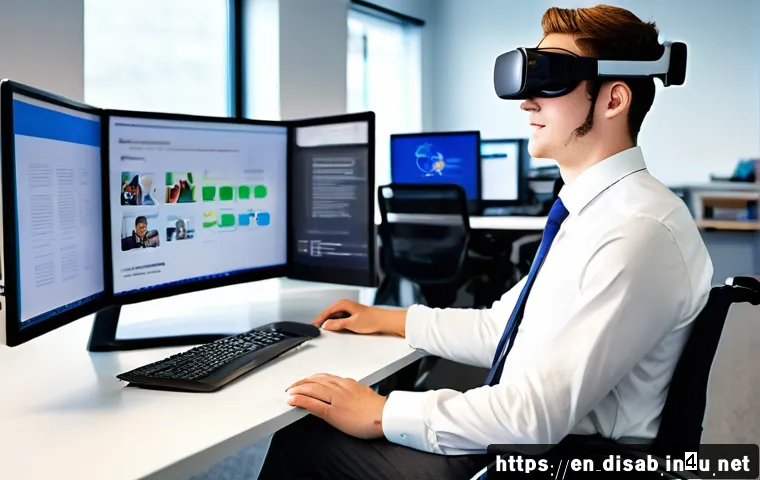
From personal stories to innovative training methods, this journey offers hope and practical solutions for both job seekers and employers alike. If you’re curious about how tailored support can transform lives and careers, you’re in the right place.
Let’s explore the key insights that are shaping a more accessible and equitable workforce together.
Building Confidence Through Personalized Support
Understanding Individual Strengths and Challenges
Every person’s journey with a disability is unique, and recognizing this individuality is crucial for effective rehabilitation and job training. When I first worked with clients, I realized that one-size-fits-all approaches rarely work.
Instead, taking the time to uncover each person’s strengths, interests, and barriers helps create a tailored plan that feels achievable and motivating.
This might mean focusing on communication skills for someone with hearing impairments or developing adaptive technology skills for others. The key is to approach each case with empathy and flexibility, ensuring that the support aligns with real-world needs.
Creating Safe Spaces for Growth
Confidence doesn’t develop overnight, especially when someone has faced repeated challenges or discrimination. I’ve seen firsthand how providing a judgment-free environment where individuals can practice new skills or discuss fears openly makes a huge difference.
Group sessions, peer mentoring, and role-playing scenarios can help people rehearse job interviews or workplace interactions in a supportive setting. This practice builds resilience and reduces anxiety, ultimately preparing individuals to step into professional roles with greater self-assurance.
Celebrating Small Wins to Sustain Motivation
Progress can sometimes feel slow, and it’s easy to get discouraged. But celebrating even the smallest victories—like mastering a new software or successfully attending a networking event—creates momentum.
When I worked with a client who struggled with social anxiety, we set micro-goals that led to bigger achievements. Each celebration not only boosted their morale but also reinforced the belief that they are capable of growth and success, which is essential for long-term career development.
Innovative Training Techniques That Empower
Leveraging Technology to Bridge Gaps
Technology has revolutionized how training is delivered, especially for individuals with disabilities. Adaptive tools such as speech-to-text software, screen readers, and customizable workstations have opened doors that were previously closed.
From my experience, incorporating these tools into training programs helps participants engage more fully and learn at their own pace. Virtual reality simulations, for example, provide a safe environment to practice job tasks without real-world consequences, making the learning process less intimidating and more interactive.
Hands-On Learning and Real-World Application
Theoretical knowledge can only take someone so far; hands-on experience is where true confidence and competence develop. Job shadowing, internships, and project-based tasks give individuals a glimpse into daily work life and allow them to apply their skills directly.
I’ve observed that when training programs include these elements, participants often feel more prepared and less overwhelmed when they transition to actual employment.
This practical exposure also helps employers see the person’s capabilities beyond a resume or interview.
Customized Curriculum That Adapts Over Time
Disability rehabilitation and job training are not static processes. As people grow and their goals shift, training programs must evolve accordingly. In my practice, regular check-ins and feedback loops ensure that the curriculum stays relevant and challenging without being discouraging.
For example, someone might start with basic computer skills and later move on to leadership development or advanced technical training. This flexibility supports continuous growth and keeps motivation high.
Breaking Down Barriers in the Workplace
Promoting Inclusive Hiring Practices
Employers play a pivotal role in creating accessible workplaces, but many still hesitate due to misconceptions or lack of knowledge. I’ve spent time educating hiring managers about the benefits of inclusive recruitment, such as diverse perspectives and increased employee loyalty.
Simple adjustments like clear job descriptions, accessible interview locations, and flexible scheduling can remove significant barriers. Sharing success stories where inclusive hiring led to thriving teams often helps shift mindsets and encourages more companies to follow suit.
Adapting Work Environments for Accessibility
Physical and attitudinal barriers can make workplaces challenging for people with disabilities. From my observations, companies that invest in ergonomic furniture, assistive technology, and accessible restrooms create a more welcoming atmosphere.
Beyond physical changes, fostering a culture of respect and understanding through diversity training ensures that coworkers support one another. These adaptations not only benefit employees with disabilities but often improve conditions for everyone.
Ongoing Support and Career Advancement
Support doesn’t end once a person is hired. Continuous mentoring, professional development opportunities, and accommodations are vital for long-term success.
I’ve seen clients flourish when employers provided regular check-ins and encouraged open dialogue about needs and aspirations. Career advancement programs tailored to individuals with disabilities also demonstrate a company’s commitment to inclusion, making employees feel valued and motivated to grow within the organization.
Measuring Success: Outcomes and Impact
Tracking Employment Rates and Job Retention
Quantifying the effectiveness of disability-focused training programs is essential for improvement and advocacy. Employment rates post-training provide a snapshot of success, but job retention over time offers deeper insights into the sustainability of these efforts.
In my experience, programs that combine skill-building with psychosocial support tend to have higher retention rates, as participants feel more equipped to handle workplace challenges.
Assessing Quality of Life Improvements
Beyond employment statistics, improvements in quality of life—such as increased independence, social engagement, and self-esteem—are critical indicators of success.
I’ve witnessed how gaining meaningful work can transform a person’s outlook, reduce feelings of isolation, and boost overall well-being. Collecting participant feedback through surveys and interviews helps capture these nuanced benefits and informs future program design.
Employer Satisfaction and Organizational Benefits
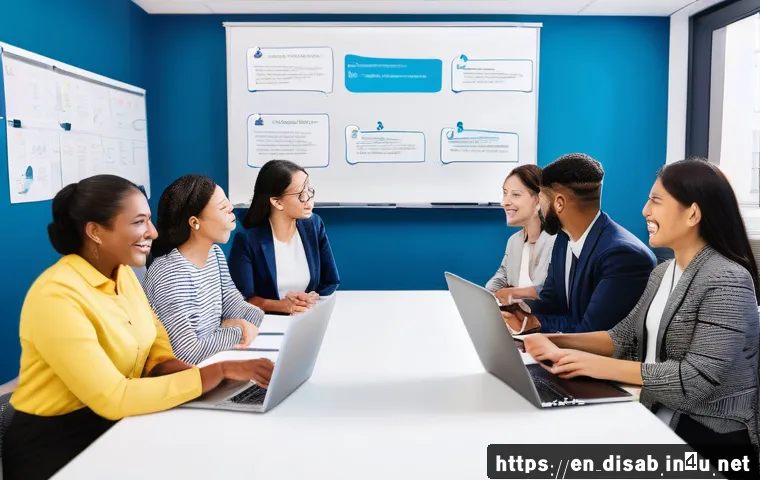
Employers who actively participate in inclusive hiring and training often report positive experiences, including enhanced team dynamics and innovation.
From my conversations with hiring managers, many express surprise at the high level of dedication and creativity brought by employees with disabilities.
Capturing employer feedback helps build a case for expanding such initiatives and highlights the mutual advantages of inclusive employment.
Essential Skills for Thriving in Diverse Workplaces
Communication and Interpersonal Abilities
Effective communication is the cornerstone of any successful job, and this is especially true when navigating diverse workplaces. Through my work, I’ve learned that training focused on verbal and non-verbal skills, active listening, and conflict resolution empowers individuals to express themselves clearly and build positive relationships.
Role-playing and real-life scenarios enhance these skills, helping participants feel more confident interacting with colleagues and supervisors.
Problem-Solving and Adaptability
Work environments are constantly changing, and being able to adapt is a valuable asset. I’ve noticed that individuals who practice flexible thinking and creative problem-solving are better equipped to handle unexpected situations.
Training modules that encourage brainstorming, decision-making under pressure, and learning from mistakes foster resilience. This adaptability not only benefits the individual but also makes them a valuable team member.
Time Management and Organizational Skills
Managing tasks efficiently can be challenging, especially for those new to the workforce or balancing multiple responsibilities. In my experience, teaching prioritization, scheduling, and goal-setting techniques helps individuals maintain focus and meet deadlines.
Using planners, digital reminders, and breaking projects into smaller steps are practical strategies that have proven effective. Mastering these skills contributes to job success and reduces stress.
Collaborative Efforts Between Stakeholders
Role of Vocational Rehabilitation Specialists
Vocational rehabilitation specialists act as vital connectors between job seekers, employers, and training programs. I’ve seen how their expertise in assessment, counseling, and resource coordination ensures that individuals receive comprehensive support.
These specialists often advocate for necessary accommodations and help navigate complex systems, making the employment journey smoother and more successful.
Engaging Employers as Partners
Employers who view disability inclusion as a partnership rather than a challenge create more sustainable outcomes. From my perspective, involving businesses early in program development fosters buy-in and tailors training to real industry needs.
Employer advisory boards, workplace visits, and joint problem-solving sessions build trust and align expectations, benefiting all parties involved.
Community and Peer Support Networks
The power of community can’t be underestimated in rehabilitation and job training. Peer support groups provide encouragement, share practical advice, and create a sense of belonging.
I’ve found that participants who connect with others facing similar challenges feel less isolated and more motivated. Community organizations also offer resources and advocacy, reinforcing the broader ecosystem that supports employment success.
| Aspect | Benefit | Example |
|---|---|---|
| Personalized Support | Enhances motivation and skill development | Tailored plans addressing individual strengths |
| Technology Integration | Improves accessibility and engagement | Use of adaptive software and VR simulations |
| Hands-On Experience | Builds real-world competence and confidence | Internships and job shadowing opportunities |
| Inclusive Hiring | Expands employment opportunities | Accessible interviews and flexible schedules |
| Ongoing Support | Ensures long-term retention and growth | Mentoring and continuous professional development |
Conclusion
Building confidence through personalized support and innovative training is key to empowering individuals with disabilities. By fostering inclusive workplaces and ongoing development, we create environments where everyone can thrive. The journey may have challenges, but with the right tools and encouragement, success becomes attainable for all.
Useful Information to Keep in Mind
1. Personalized support tailored to individual strengths significantly boosts motivation and learning outcomes.
2. Integrating adaptive technology enhances accessibility and engagement during training.
3. Hands-on experiences like internships provide practical skills that build real-world confidence.
4. Inclusive hiring practices remove barriers and open doors to meaningful employment.
5. Continuous support through mentoring and professional growth opportunities ensures long-term success.
Key Takeaways
Understanding each person’s unique needs and adapting training accordingly is essential for effective rehabilitation and job readiness. Creating safe, judgment-free spaces encourages growth and resilience. Employers play a vital role by fostering inclusive environments and supporting career advancement. Measuring success involves not only employment outcomes but also quality of life improvements. Collaboration among specialists, employers, and community networks strengthens the entire ecosystem that supports employment for people with disabilities.
Frequently Asked Questions (FAQ) 📖
Q: What is disability rehabilitation counseling, and how does it help individuals with disabilities find employment?
A: Disability rehabilitation counseling is a specialized support service that assists individuals with disabilities in overcoming barriers to employment.
Counselors work closely with clients to assess their strengths, address challenges, and develop personalized career plans. This often includes guidance on job searching, interview preparation, and workplace accommodations.
From my experience, having a counselor who truly understands your unique situation can make the job hunt less overwhelming and more focused, ultimately increasing your chances of securing meaningful employment.
Q: How do targeted job training programs improve employment outcomes for people with disabilities?
A: Targeted job training programs are designed to equip individuals with disabilities with specific skills that match current labor market demands. These programs often include hands-on learning, adaptive technologies, and soft skills development such as communication and teamwork.
I’ve seen firsthand how participants gain confidence and practical abilities that directly translate to better job performance. Employers also benefit because trained candidates are more prepared and ready to contribute from day one, creating a win-win situation.
Q: What can employers do to create a more inclusive and supportive workplace for employees with disabilities?
A: Employers can foster inclusivity by implementing accessible hiring practices, providing reasonable accommodations, and promoting disability awareness among staff.
From my observations, companies that invest in diversity training and establish clear support systems create a positive environment where all employees feel valued.
Simple actions like flexible schedules, assistive technology, and open communication channels can significantly enhance job satisfaction and retention for employees with disabilities.