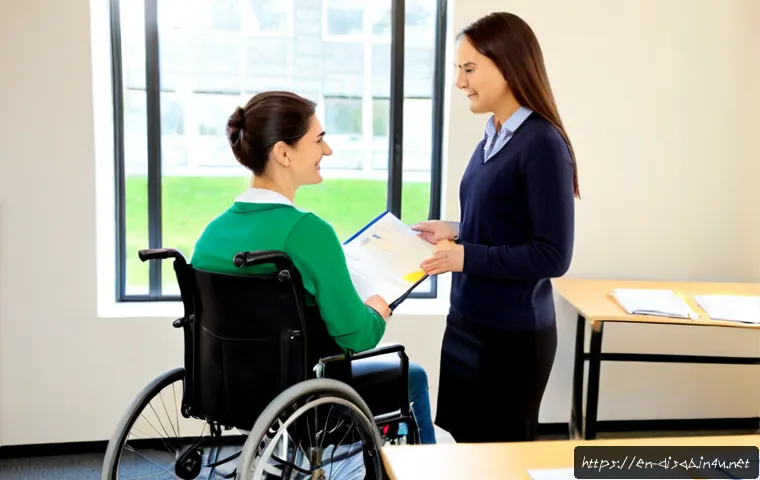
Choosing the right rehabilitation counselor education program can be a game-changer for those passionate about supporting individuals with disabilities.
With so many options available, understanding the differences in curriculum, accreditation, and practical training is essential. From hands-on experience to theoretical knowledge, each program offers unique benefits that can shape your career path.
Whether you’re starting fresh or looking to advance your skills, knowing what to expect will help you make an informed decision. Let’s dive deeper and uncover the key factors that set these programs apart so you can find the perfect fit for your goals.
Stay with me as we explore this in detail!
Understanding Accreditation and Its Impact on Career Prospects
Why Accreditation Matters in Rehabilitation Counseling
Choosing a rehabilitation counselor education program with proper accreditation isn’t just a bureaucratic checkbox—it fundamentally influences your future career.
Accredited programs have met rigorous standards set by professional bodies, ensuring that the curriculum covers essential competencies and that graduates are prepared to meet real-world challenges.
From my own experience, attending an accredited program made the licensing process smoother and gave me credibility when applying for jobs. Employers often prioritize candidates who graduated from recognized programs, so this aspect can’t be overlooked.
Types of Accreditation to Look For
When exploring programs, you’ll encounter different accreditations, such as CACREP (Council for Accreditation of Counseling and Related Educational Programs) or CORE (Council on Rehabilitation Education).
Each has its nuances, but both signify quality. CACREP is widely recognized across counseling disciplines, while CORE focuses specifically on rehabilitation counseling.
Personally, I found that a CORE-accredited program offered more specialized training, which was invaluable when I started working directly with clients.
It’s worth checking which accreditation aligns best with your career goals.
How Accreditation Affects Licensure and Certification
Licensure boards often require candidates to graduate from accredited programs to qualify for exams or certification. Missing this could mean additional coursework or hurdles.
For example, in many states, being a graduate of a CORE-accredited program is a prerequisite for becoming a Certified Rehabilitation Counselor (CRC). I’ve seen peers struggle to get certified because their programs lacked proper accreditation, which delayed their career progression.
This is a critical factor to research early on.
Curriculum Focus: Balancing Theory and Practical Skills
Core Subjects That Build a Strong Foundation
A solid rehabilitation counselor education program should cover a mix of psychology, counseling techniques, disability studies, and vocational rehabilitation.
Theoretical knowledge forms the backbone of understanding client needs and treatment approaches. In my training, courses on counseling theories and human development were eye-opening—they helped me grasp why clients react the way they do and how to tailor interventions effectively.
Programs vary in depth and breadth here, so it’s essential to review course descriptions thoroughly.
Hands-On Training: The Value of Practicums and Internships
Theory alone won’t cut it in rehabilitation counseling. Practical experience through supervised practicums or internships is where you truly develop your skills.
I remember my internship was the most challenging yet rewarding part of my education—it pushed me to apply what I learned in real settings and adapt to unexpected situations.
Look for programs that offer extensive fieldwork opportunities with diverse populations; this exposure prepares you for the complexities of actual client interactions.
Emerging Topics and Specialized Tracks
Some programs now integrate emerging topics like assistive technology, trauma-informed care, and multicultural competence. Others offer specialized tracks focusing on areas such as substance abuse, mental health, or vocational rehabilitation.
During my studies, I opted for a track emphasizing mental health, which opened doors to work in community clinics. Identifying whether a program offers these specialized options can enhance your expertise and marketability.
Faculty Expertise and Mentorship Opportunities
Faculty Credentials and Professional Backgrounds
The quality of faculty can significantly influence your learning experience. Professors who have active clinical practices or research in rehabilitation counseling bring fresh insights to the classroom.
I found myself more engaged when instructors shared stories from their work or recent studies. Before enrolling, check faculty profiles to see if their expertise aligns with your interests.
A strong mentorship connection can shape your professional identity and guide your career path.
Access to Mentorship and Networking
Beyond classroom teaching, mentorship is a game-changer. Programs that facilitate mentor-mentee relationships provide guidance, support, and career advice.
I was fortunate to have a mentor who helped me navigate licensure requirements and job interviews, which boosted my confidence. Networking opportunities through faculty connections or alumni can also open doors to internships and employment.
Research Opportunities and Scholarly Engagement
If you’re inclined toward research or advancing the field, consider whether the program encourages student participation in research projects or conferences.
Engaging in research not only deepens your understanding but also enhances your resume. I contributed to a study on vocational rehabilitation outcomes, which was a highlight of my academic journey and provided valuable skills in data analysis and critical thinking.
Program Format and Flexibility for Busy Professionals
Traditional vs. Online Learning Environments
With varied life circumstances, program delivery formats matter. Traditional in-person programs offer face-to-face interaction and immediate feedback, which I appreciated during my studies.
However, online programs provide flexibility for those balancing work or family commitments. When I explored online options for continuing education, I found that some programs offer live sessions and interactive platforms that mimic in-person engagement.
Evaluating your learning style and schedule can help you choose the best fit.
Part-Time, Full-Time, and Accelerated Tracks
Many programs offer part-time or accelerated options. If you’re working or have other responsibilities, part-time might be the way to go, allowing you to spread coursework over a longer period without sacrificing quality.
Accelerated tracks can be intense but get you into the field faster. Personally, I opted for full-time study to immerse myself fully, but I’ve seen colleagues succeed with part-time schedules by staying organized and motivated.
Support Services and Resources for Distance Learners
Online or hybrid students should check for available support, such as virtual advising, tutoring, and tech assistance. A program that invests in these resources makes a huge difference in your experience.
I recall a friend who struggled initially with online coursework but thrived once she utilized the program’s academic support services. Access to a responsive support system can keep you on track and reduce stress.

Financial Considerations and Return on Investment
Tuition Costs and Available Financial Aid
Education is an investment, so understanding tuition fees and financial aid options is crucial. Some rehabilitation counselor programs are more affordable, especially at public universities, while private institutions may charge a premium.
Scholarships, grants, and assistantships can significantly offset costs. When I applied, I carefully compared programs’ financial aid packages, which helped me avoid unnecessary debt.
Potential Salary Outcomes and Job Market Demand
Knowing what you can expect financially after graduation is motivating. Rehabilitation counselors’ salaries vary by region, employer, and experience level.
According to recent data, median salaries hover around $40,000 to $60,000 annually, with growth potential as you gain expertise or specialize. Personally, I found that programs with strong career services helped me land a job with a competitive salary sooner than expected.
Cost-Benefit Analysis Table of Popular Program Features
| Program Feature | Pros | Cons | Typical Cost Range | Impact on Career |
|---|---|---|---|---|
| Accredited In-Person Program | Direct interaction, networking, hands-on practice | Higher cost, less flexible schedule | $20,000 – $40,000 per year | Strong licensure support, employer preference |
| Online Accredited Program | Flexibility, access from anywhere | Less face-to-face, requires self-discipline | $15,000 – $30,000 per year | Good for working professionals, growing acceptance |
| Non-Accredited Program | Lower tuition, potentially faster completion | Limited licensure eligibility, less recognized | $10,000 – $25,000 per year | May require additional certification steps |
| Part-Time Program | Flexible pacing, manageable workload | Longer completion time | Varies by program | Allows work-study balance |
Licensing Requirements and Certification Preparation
State-by-State Licensing Variations
Licensing requirements for rehabilitation counselors vary widely depending on where you want to practice. Some states require passing the Certified Rehabilitation Counselor (CRC) exam, while others have additional state-specific mandates.
I had to research my state’s board carefully to ensure my program met all prerequisites. It’s crucial to align your education with the state regulations to avoid surprises later.
How Programs Prepare You for Certification Exams
A program’s ability to prepare you for certification exams is a key factor. Some include dedicated prep courses, mock exams, or workshops. I remember a prep seminar during my final semester that boosted my confidence and exam readiness significantly.
Finding programs that integrate certification prep into the curriculum can save you time and stress.
Continuing Education and Lifelong Learning
Certification isn’t a one-time deal; continuing education is essential to maintain licensure and stay current. Look for programs that foster a culture of lifelong learning, offering alumni access to workshops or webinars.
Personally, staying engaged with ongoing education has kept my skills sharp and helped me adapt to evolving client needs.
Student Support and Career Services
Academic Advising and Counseling Support
Navigating graduate education can be daunting without proper advising. Programs that provide personalized academic counseling help you plan your course load effectively and stay on track for graduation.
I often relied on my advisor’s insights to balance coursework and fieldwork, which reduced my anxiety and kept me motivated.
Career Placement Assistance and Job Search Resources
Finding a job after graduation can be challenging, but programs with strong career services ease the transition. Resume workshops, interview coaching, and job fairs make a big difference.
I landed my first role through a networking event hosted by my program, proving the value of these resources.
Peer Support and Community Building
Feeling part of a supportive community during your education enhances motivation and learning. Group projects, student organizations, and study groups foster connections that often last beyond graduation.
I still keep in touch with classmates who became professional allies and friends, which enriched my career journey.
Special Considerations for Diverse Populations and Inclusive Practice
Training in Cultural Competency and Disability Awareness
Rehabilitation counselors work with clients from all walks of life, so cultural competence is vital. Programs emphasizing diversity prepare you to understand and respect different backgrounds, enhancing client rapport and outcomes.
In my work, the cultural competency training I received helped me tailor interventions that truly resonated with clients.
Focus on Emerging Disabilities and Technologies
The field evolves rapidly with new disabilities recognized and assistive technologies advancing. Programs that incorporate these trends ensure you remain relevant.
For example, I learned about cutting-edge communication devices that transformed how I supported clients with speech impairments.
Advocacy and Ethical Practice Education
Ethical dilemmas are common in rehabilitation counseling. Programs that stress advocacy and ethics prepare you to make tough decisions confidently. I often recall ethics discussions from my classes when navigating complex client situations, which reinforced my commitment to client-centered care.
In Conclusion
Choosing the right rehabilitation counseling program sets the foundation for a successful and fulfilling career. Accreditation, curriculum quality, faculty expertise, and support services all play crucial roles in preparing you for licensure and real-world practice. By carefully considering these factors, you can confidently embark on your professional journey and make a meaningful impact in the lives of others.
Useful Information to Keep in Mind
1. Accreditation ensures your education meets professional standards and eases the path to certification and employment.
2. Hands-on experience through internships is essential for developing practical counseling skills.
3. Faculty mentorship and networking opportunities can significantly influence career growth and job placement.
4. Flexible program formats, including online and part-time options, accommodate diverse schedules without compromising quality.
5. Staying informed about state licensing requirements and continuing education keeps your credentials valid and your skills up to date.
Key Takeaways
Selecting an accredited program aligned with your career goals is vital for licensure and credibility. Balance theoretical knowledge with practical training to build competence and confidence. Engage with experienced faculty and seek mentorship to enhance your professional development. Consider program flexibility and financial aspects to ensure a manageable and rewarding educational experience. Lastly, commit to ongoing learning and ethical practice to thrive in this dynamic and impactful field.
Frequently Asked Questions (FAQ) 📖
Q: What should I look for in the curriculum of a rehabilitation counselor education program?
A: When evaluating the curriculum, focus on a balance between theoretical knowledge and practical skills. Look for courses covering counseling techniques, disability studies, ethics, and vocational rehabilitation.
Programs that include hands-on training, such as internships or practicum experiences, give you the chance to apply what you learn in real-world settings.
This combination ensures you’re well-prepared to support clients effectively. From my experience, programs with up-to-date content reflecting current industry standards make a significant difference in your readiness and confidence.
Q: How important is program accreditation for rehabilitation counselor education?
A: Accreditation is a crucial factor because it guarantees the program meets established quality standards recognized by employers and licensing boards. Graduating from an accredited program often makes you eligible for certification exams and licensure, which are essential for practicing professionally.
I’ve seen many peers who struggled to advance their careers because their programs lacked proper accreditation. So, prioritizing accredited programs can save you time and open more doors in the field.
Q: What kind of practical training should I expect from these programs?
A: Practical training usually involves supervised internships, practicums, or fieldwork in settings like rehabilitation centers, hospitals, or community agencies.
This hands-on experience is invaluable because it exposes you to diverse client needs and real challenges you’ll face as a counselor. From my personal journey, engaging directly with clients during internships helped me develop empathy, problem-solving skills, and professional confidence far beyond classroom learning.
Make sure the program you choose offers ample opportunities for such immersive experiences.