In today’s world, where inclusivity and empowerment take center stage, stories of triumph in disability rehabilitation counseling shine brighter than ever.

With advancements in personalized care and growing awareness, these success stories not only inspire but also demonstrate the transformative power of dedicated support.
If you’ve ever wondered how counseling can unlock independence and hope, you’re in the right place. Let’s dive into real-life experiences that reveal the heart and impact behind this essential work, making it clear why rehabilitation counseling matters more now than ever before.
Stay tuned—these stories might just change the way you see resilience and recovery.
Building Confidence Through Personalized Counseling
Understanding Individual Strengths and Challenges
One thing I’ve noticed over time is that no two journeys in rehabilitation counseling look alike. When counselors take the time to really understand the unique abilities and obstacles each person faces, it opens the door to tailored strategies that feel authentic and achievable.
For example, someone with a physical disability might benefit from adaptive technology training, while another person could gain more from social skills coaching or workplace readiness programs.
This personalized approach isn’t just about ticking boxes; it’s about recognizing the whole person and igniting their own motivation. I’ve seen clients light up when they realize their counselor truly “gets” them, which often marks the start of real progress.
Creating Safe Spaces for Vulnerability and Growth
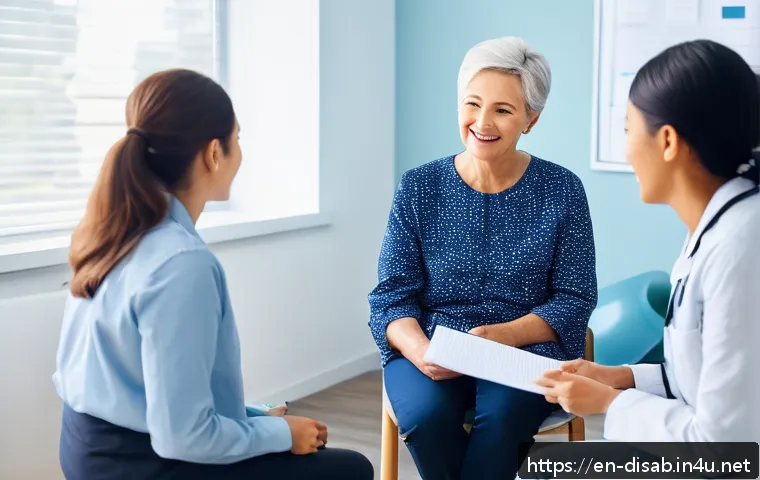
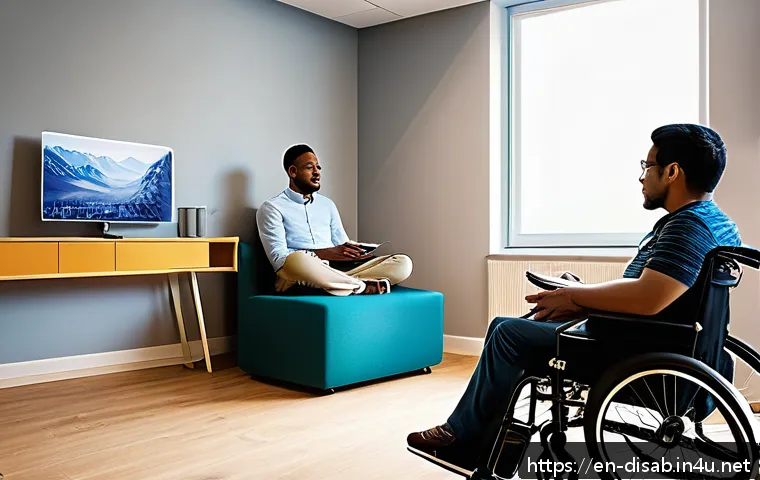
In my experience, one of the most powerful aspects of rehabilitation counseling is the creation of a safe, judgment-free environment. When individuals feel heard and respected, they’re more willing to open up about fears, setbacks, and dreams.
This emotional safety net encourages honest conversations that uncover hidden barriers and build trust. I remember a client who initially hesitated to share their struggles with self-esteem.
After a few sessions where we focused on empathy and active listening, they began to set goals that once seemed impossible. It’s these moments of connection that often fuel resilience and a sense of empowerment.
Integrating Life Skills With Emotional Support
What stands out in successful rehabilitation counseling is the blend of practical skill-building with ongoing emotional encouragement. Teaching someone how to navigate public transportation, manage finances, or apply for jobs is crucial, but it’s equally important to support their mental and emotional well-being throughout the process.
I’ve observed that when counselors balance these elements, clients not only gain independence but also sustain motivation during tough times. This dual focus helps prevent burnout and fosters a long-lasting sense of self-efficacy that goes beyond the counseling sessions.
Overcoming Barriers to Employment and Independence
Addressing Workplace Accessibility and Accommodations
Employment is often a major milestone in disability rehabilitation, yet many face significant hurdles in finding and maintaining jobs. From my conversations with clients, it’s clear that workplace accessibility isn’t just about ramps or elevators; it also involves flexible scheduling, assistive technologies, and understanding supervisors.
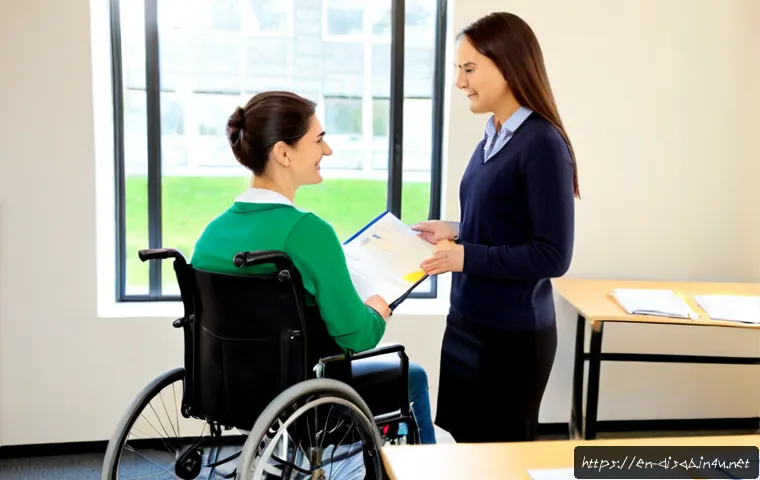
Rehabilitation counselors play a critical role in advocating for these accommodations and preparing clients to communicate their needs confidently. I’ve witnessed firsthand how successful negotiation of accommodations can transform a client’s job experience from stressful to sustainable, boosting both their income and self-worth.
Building Soft Skills for Professional Growth
Soft skills like communication, teamwork, and problem-solving can sometimes be overlooked in rehabilitation settings, but they are essential for long-term career success.
Through role-playing exercises, interview coaching, and feedback sessions, counselors help clients refine these skills in a low-pressure environment. I recall a client who struggled with social anxiety but, over time, developed the confidence to lead small meetings and present ideas at work.
This growth didn’t happen overnight, but the consistent support and skill practice made all the difference. It’s rewarding to see clients embrace their strengths and navigate professional challenges with greater ease.
Utilizing Community Resources and Networks
Another key factor in overcoming employment barriers is connecting clients with local resources such as job placement agencies, vocational training, and peer support groups.
These networks provide not only practical help but also a sense of belonging and shared experience. I often encourage clients to attend workshops or support circles because it expands their horizons and builds social capital.
It’s amazing how just knowing others have faced similar struggles can spark renewed hope and determination. The collaborative nature of these resources complements the individualized counseling process, creating a stronger foundation for independence.
Empowering Through Technology and Innovation
Adaptive Devices That Enhance Daily Living
Technology has been a game-changer in rehabilitation counseling, offering tools that increase autonomy in ways we couldn’t have imagined a decade ago.
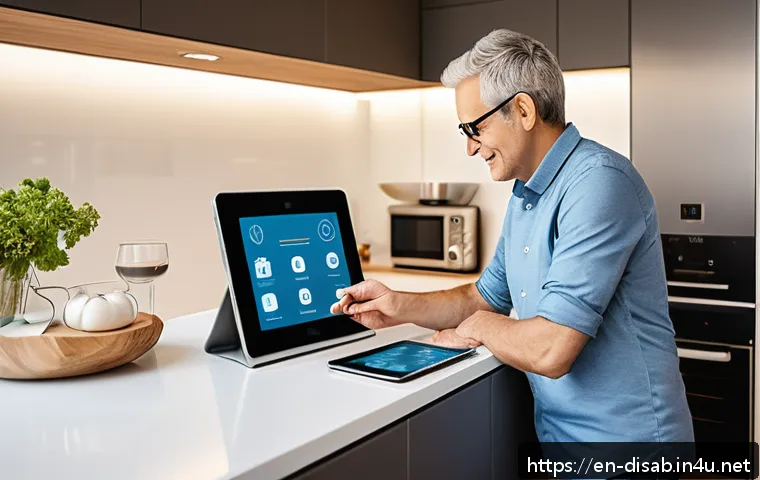
From voice-activated assistants to customized mobility devices, adaptive technology bridges gaps and simplifies routine tasks. When I worked with clients who initially felt limited by their disabilities, introducing the right tech solutions often became a turning point.
One client, for instance, regained the ability to cook independently using a smart kitchen setup designed for safety and ease. These innovations don’t just improve functionality—they restore dignity and choice.
Virtual Counseling and Telehealth Benefits
The rise of telehealth has made rehabilitation counseling more accessible, especially for those with mobility challenges or living in remote areas. Virtual sessions allow for flexible scheduling and reduce the stress of travel, which can be a huge barrier.
I’ve noticed that some clients actually open up more comfortably in their own homes, leading to richer conversations and deeper insights. While nothing replaces face-to-face interaction entirely, the convenience and inclusivity of online counseling have expanded support options dramatically.
This evolution in service delivery is a clear example of how technology is reshaping the field for the better.
Skill Development Through Interactive Apps and Platforms
Incorporating apps and interactive platforms into rehabilitation programs adds a layer of engagement that traditional methods sometimes lack. These tools can help clients practice skills like time management, cognitive exercises, or stress reduction techniques between sessions.
I’ve recommended apps that track progress and provide instant feedback, which keeps motivation high and makes learning feel more dynamic. For many, this tech integration turns rehabilitation into a more personalized and continuous journey, rather than a series of isolated appointments.
Fostering Social Connections and Community Inclusion
Building Support Networks That Last
Social isolation can be one of the most challenging aspects of living with a disability, but rehabilitation counseling often focuses heavily on reconnecting clients with their communities.
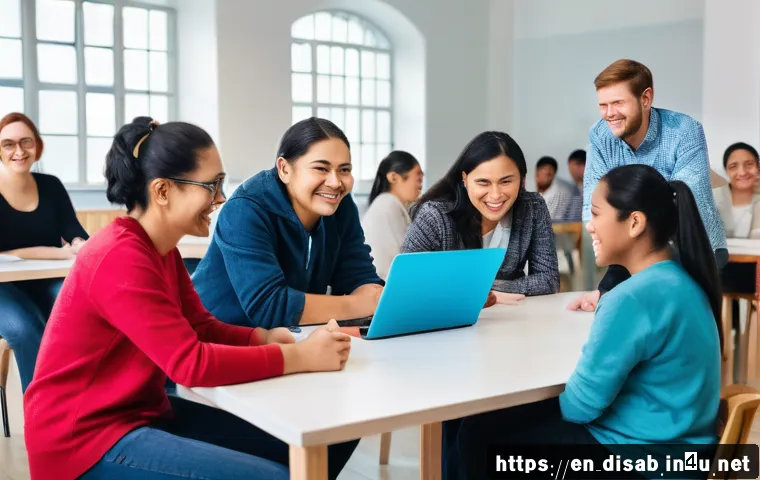
Through group sessions, peer mentorship, and community events, clients find spaces where they feel valued and understood. I’ve observed that these connections are more than just social—they provide practical advice, emotional uplift, and a sense of belonging that fuels ongoing progress.
When clients move from isolation to involvement, their overall quality of life improves dramatically.
Encouraging Advocacy and Self-Representation
Part of empowerment is helping clients become their own advocates. Rehabilitation counselors teach skills that enable individuals to express their needs clearly, navigate systems, and influence policies affecting their lives.
I once supported a client who became actively involved in disability rights groups, speaking at local forums and mentoring others. This shift from recipient to advocate is powerful; it transforms personal challenges into community leadership.
The ripple effect of this empowerment often extends well beyond the individual, inspiring broader social change.
Promoting Inclusive Recreational and Educational Opportunities
Rehabilitation counseling also encourages participation in recreational activities, hobbies, and continuing education, which contribute to holistic well-being.
Access to adapted sports, art classes, or online courses can enrich life beyond rehabilitation goals. I’ve seen clients blossom when they discover new passions or talents, which also helps build confidence and reduce stress.
These opportunities aren’t just “extras” — they’re essential components of a fulfilling, independent life that rehabilitation counseling supports.
Measuring Progress and Celebrating Success
Setting Realistic and Meaningful Goals
From my perspective, one of the cornerstones of effective rehabilitation counseling is goal-setting that feels both achievable and personally significant.
Clients are more motivated when goals align with their values and daily realities, rather than generic benchmarks. I often help clients break down larger ambitions into smaller, manageable steps, which makes progress more visible and less overwhelming.
This approach not only boosts confidence but also helps clients celebrate victories along the way, reinforcing a positive mindset.
Tracking Outcomes with Collaborative Feedback
Progress in rehabilitation isn’t always linear, so it’s crucial to have regular check-ins where clients and counselors review what’s working and what needs adjustment.
I’ve found that collaborative feedback sessions empower clients to take ownership of their journey and adapt goals as needed. Sometimes setbacks occur, but reframing these as learning opportunities keeps motivation intact.
This dynamic process creates a partnership where both counselor and client feel invested in the outcome.
Highlighting Stories That Inspire and Educate
Sharing success stories is a powerful tool for motivation and advocacy. When clients see relatable examples of others who have overcome challenges, it fuels hope and determination.
I often encourage clients to tell their own stories, whether through writing, speaking, or social media, which reinforces their sense of achievement and purpose.
These narratives also educate the wider community about the realities and potential of people with disabilities, helping to break down stigma and build understanding.
| Key Elements | Impact on Clients | Examples |
|---|---|---|
| Personalized Counseling | Enhances motivation and relevance | Adaptive technology training, social skills coaching |
| Workplace Accommodations | Improves job retention and satisfaction | Flexible scheduling, assistive devices, advocacy |
| Technology Integration | Increases independence and accessibility | Telehealth sessions, adaptive devices, interactive apps |
| Social Support Networks | Reduces isolation, boosts emotional health | Peer groups, community events, advocacy involvement |
| Goal Setting and Feedback | Maintains progress and builds confidence | Realistic milestones, collaborative reviews, storytelling |
Navigating Emotional Challenges on the Road to Recovery
Recognizing the Emotional Rollercoaster
The path to independence is rarely smooth. I’ve walked alongside clients who experience a wide range of emotions—from frustration and grief to hope and pride.
Acknowledging these feelings openly helps normalize the experience and provides a foundation for healing. Counselors who validate emotions without judgment create a space where clients can safely explore their inner world.
This emotional awareness often leads to breakthroughs in motivation and self-acceptance.
Developing Coping Strategies That Stick
Effective rehabilitation counseling goes beyond problem identification by equipping clients with practical coping mechanisms. Techniques like mindfulness, journaling, or cognitive-behavioral approaches empower clients to manage stress and setbacks.
I’ve seen how personalized coping plans, created collaboratively, become invaluable tools that clients carry long after counseling ends. These strategies not only improve day-to-day functioning but also foster resilience in the face of future challenges.
Encouraging Patience and Self-Compassion
One lesson I often emphasize is the importance of patience—both from clients and their support systems. Recovery and adaptation take time, and setbacks don’t mean failure.
Cultivating self-compassion helps clients stay engaged and reduces the harsh self-criticism that can derail progress. I remember a client who learned to celebrate small wins and view obstacles as part of a larger journey.
This shift in mindset made a huge difference in maintaining long-term motivation and well-being.
Collaborating With Families and Caregivers for Holistic Support
Engaging Loved Ones in the Rehabilitation Process
Family members and caregivers often play a vital role in supporting independence, and involving them in counseling can enhance outcomes. Through joint sessions, education, and communication strategies, counselors help families understand challenges and foster supportive environments.
I’ve noticed that when families feel included and informed, they become more effective allies rather than sources of tension. This collaboration creates a stronger network around the client, reinforcing progress at home and in the community.
Balancing Support With Autonomy
A tricky but essential balance is ensuring clients receive help without feeling overprotected or dependent. Rehabilitation counseling often addresses this delicate dynamic by setting clear boundaries and encouraging gradual responsibility shifts.
I’ve worked with families to develop plans that respect the client’s growing independence while providing safety nets. This approach promotes confidence and reduces frustration on all sides, paving the way for healthier relationships and sustained growth.
Providing Resources for Caregiver Well-being
Caregivers themselves face stress and burnout, which can indirectly impact the client’s progress. Recognizing this, some rehabilitation programs offer resources and support groups for caregivers to maintain their own health.
I’ve seen how caregiver well-being translates directly into better client outcomes, creating a positive cycle. Encouraging self-care and connection among caregivers strengthens the entire support system, making the rehabilitation journey more sustainable for everyone involved.
In Closing
Personalized rehabilitation counseling plays a crucial role in empowering individuals to regain confidence and independence. By addressing unique challenges, fostering emotional support, and integrating innovative tools, clients experience meaningful growth. The journey is collaborative and ongoing, with each success reinforcing motivation and resilience. Ultimately, this holistic approach transforms lives and builds lasting self-efficacy.
Helpful Information to Keep in Mind
1. Personalized counseling strategies are most effective when tailored to individual strengths and challenges, creating authentic pathways to progress.
2. Safe, judgment-free environments foster openness and trust, enabling clients to explore emotional and practical barriers.
3. Combining practical skills training with emotional support sustains motivation and promotes long-term independence.
4. Leveraging technology—such as adaptive devices and telehealth—enhances accessibility and autonomy in daily living.
5. Involving families and communities strengthens support networks, balancing care with client autonomy for holistic rehabilitation.
Key Takeaways for Successful Rehabilitation Counseling
Effective rehabilitation counseling hinges on individualized approaches that recognize each person’s unique needs and goals. Emotional safety and consistent support create the foundation for growth, while integrating technology and community resources expands opportunities for independence. Collaboration with families and caregivers is essential to maintain balance between support and self-reliance. Setting realistic goals and celebrating progress keeps clients motivated throughout their journey, transforming challenges into meaningful achievements.
Frequently Asked Questions (FAQ) 📖
Q: What exactly does disability rehabilitation counseling involve?
A: Disability rehabilitation counseling is a specialized support process designed to help individuals with disabilities achieve greater independence, improve their quality of life, and successfully integrate into their communities and workplaces.
It typically includes personalized assessments, goal setting, skill development, and connecting clients with resources like vocational training, assistive technology, or mental health services.
From my experience, the most powerful part is how counselors tailor their approach to each person’s unique challenges and aspirations, which truly makes the difference between just coping and thriving.
Q: How does rehabilitation counseling empower individuals beyond traditional therapy?
A: Unlike conventional therapy that may focus mainly on emotional or psychological healing, rehabilitation counseling takes a holistic approach. It not only addresses mental health but also practical aspects like career guidance, accessibility solutions, and advocacy for rights.
I’ve seen firsthand how this blend of emotional support and real-world problem-solving creates a strong foundation for clients to rebuild confidence and regain control over their lives.
It’s about equipping people with tools and strategies that foster self-reliance, not just temporary relief.
Q: Can you share examples of success stories that highlight the impact of rehabilitation counseling?
A: Absolutely. One memorable case involved a young woman recovering from a spinal cord injury. Through consistent counseling, she gained access to adaptive technologies and job training tailored to her interests.
Over time, she secured meaningful employment and became a vocal advocate for disability rights in her community. Stories like hers illustrate how rehabilitation counseling transforms lives by opening doors that seemed closed before.
These success stories are not just inspiring; they prove the real, measurable impact of dedicated, compassionate support in overcoming barriers.