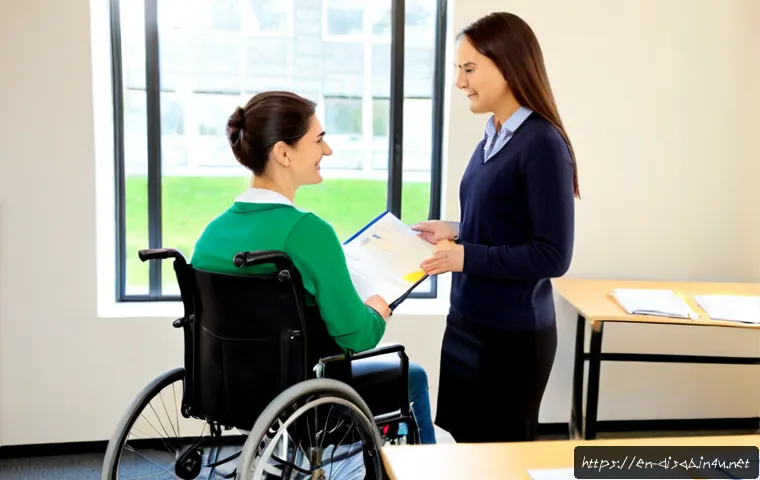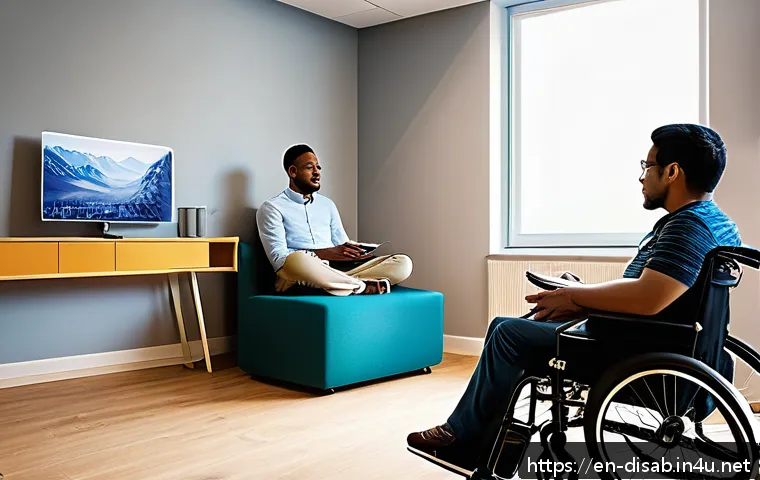
In today’s rapidly evolving healthcare landscape, the role of disability rehabilitation counselors has never been more vital. As awareness around inclusivity and accessibility grows, effective leadership within this field can truly transform lives.

Empowering these counselors with the right strategies not only enhances client outcomes but also fosters resilience and innovation in their practice. If you’re curious about how leadership can drive meaningful change in disability rehabilitation, you’re in the right place.
Let’s explore practical approaches that inspire growth, build confidence, and create lasting impact. Stick around to discover insights that could redefine your perspective on leadership in this essential profession.
Building Trust and Empathy in Client Relationships
Active Listening as a Foundation
One thing I’ve learned firsthand is how crucial active listening is when working with clients facing disabilities. It’s not just about hearing their words but really tuning in to their emotions, concerns, and hopes.
When you listen actively, clients feel valued and understood, which naturally builds trust. I remember a situation where a client was hesitant to share their struggles, but by patiently reflecting back what they said and asking open-ended questions, they gradually opened up.
This approach doesn’t just improve communication; it sets the stage for meaningful collaboration and tailored rehabilitation plans that truly resonate with the individual’s needs.
Showing Genuine Empathy Beyond Sympathy
Empathy goes beyond just feeling sorry for someone’s situation. It’s about stepping into their shoes without judgment and acknowledging their unique challenges and strengths.
In my experience, counselors who express genuine empathy create a safe space where clients feel supported emotionally and psychologically. This kind of connection often leads to increased motivation and engagement in the rehabilitation process.
I’ve seen clients bounce back stronger when they sense their counselor genuinely cares about their journey rather than just ticking boxes on a checklist.
Consistency and Reliability in Support
Trust is fragile, especially for clients who may have faced systemic barriers or past disappointments. Being consistent and reliable in your actions as a counselor reinforces that you are a dependable partner in their recovery.
For example, showing up on time, following through on promises, and maintaining confidentiality all contribute to a stable environment. I can’t emphasize enough how these small but consistent behaviors build a foundation where clients feel confident in the support they’re receiving, which ultimately enhances their progress.
Fostering Collaborative Team Dynamics
Encouraging Open Communication Among Professionals
In disability rehabilitation, no one works in isolation. From therapists to social workers, the power of a well-coordinated team can’t be overstated. What I’ve noticed is that fostering open communication channels among team members leads to better problem-solving and more holistic care plans.
When everyone feels comfortable sharing insights and concerns, it breaks down silos and promotes innovative approaches. It’s essential to create a culture where feedback is welcomed and valued, which can sometimes require intentional effort and leadership to overcome hierarchical barriers.
Promoting Shared Goals and Accountability
A unified vision is the glue that holds multidisciplinary teams together. When I’ve been part of rehabilitation teams, clarifying shared goals early on has helped align everyone’s efforts towards the client’s best interests.
Equally important is establishing clear roles and accountability measures so that responsibilities don’t overlap or fall through the cracks. This kind of structure reduces confusion and empowers each team member to contribute confidently, knowing their role is vital to the collective success.
Celebrating Wins and Learning From Setbacks
Team morale can take a hit if challenges aren’t acknowledged or successes go unnoticed. I’ve found that regularly celebrating small victories—whether it’s a client reaching a milestone or a team member’s innovative idea—boosts motivation and reinforces a positive work environment.
Conversely, when setbacks happen, approaching them as learning opportunities rather than failures encourages resilience and continuous improvement. This balance keeps the team dynamic healthy and focused on growth rather than blame.
Adapting Leadership Styles to Individual Needs
Recognizing the Diversity of Clients and Staff
Every person’s journey with disability is unique, and leadership must reflect that diversity. I’ve worked with teams and clients from a broad spectrum of backgrounds, each requiring different approaches.
Being flexible and culturally sensitive is key. For example, what works for one client’s motivation might not resonate with another’s values or communication style.
Leaders who adapt their style—whether more directive or collaborative—based on individual needs create environments where both clients and staff feel respected and empowered.
Balancing Guidance With Autonomy
One of the trickiest parts of leadership in rehabilitation is knowing when to step in and when to step back. I’ve observed that providing clear guidance helps avoid confusion, but over-managing can stifle creativity and confidence.
Encouraging autonomy in counselors allows them to develop their skills and take ownership of their work. This balance fosters professional growth and, in turn, benefits clients through more personalized and innovative care.
Continuous Learning and Self-Reflection
Effective leaders never stop learning. I personally make it a habit to seek feedback, reflect on my decisions, and stay updated on new research and best practices.
This mindset not only models lifelong learning for the team but also ensures that leadership strategies evolve with changing client needs and healthcare environments.
Self-reflection, though sometimes uncomfortable, has been invaluable in refining how I lead and support others.
Leveraging Technology to Enhance Rehabilitation Outcomes
Integrating Assistive Technologies
Technology has dramatically transformed rehabilitation, offering tools that can significantly improve client independence. I’ve seen how integrating assistive devices—ranging from speech-generating apps to mobility aids—can empower clients to communicate and navigate their environments more effectively.
Staying informed about emerging technologies and collaborating with specialists to implement them appropriately has been a game-changer in many cases.
Utilizing Data for Personalized Care
Data collection and analysis might sound clinical, but it’s a powerful way to tailor interventions. Tracking progress metrics allows counselors to identify what’s working and what needs adjustment.
In my experience, using digital tools to monitor client outcomes not only improves transparency but also motivates clients by visually demonstrating their achievements.
This evidence-based approach fosters accountability and supports more informed decision-making.
Enhancing Remote Support and Telehealth
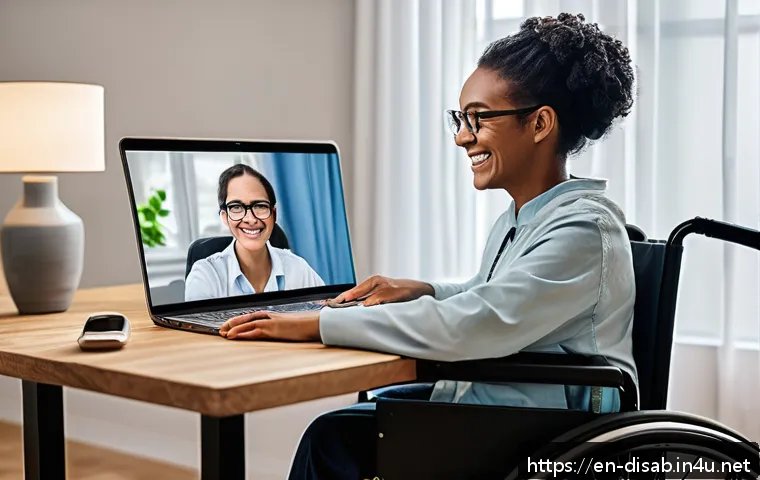
The rise of telehealth has opened doors to reach clients who might otherwise face access barriers. I’ve personally facilitated virtual counseling sessions that maintained strong client engagement despite physical distance.
Remote support requires a slightly different skill set, including technical proficiency and creative communication strategies, but it broadens the scope of care and adds flexibility for both clients and counselors.
Promoting Mental Health and Wellbeing Among Counselors
Recognizing the Emotional Toll of the Work
Working in disability rehabilitation can be emotionally demanding. From my own experience, the constant exposure to clients’ hardships and systemic challenges can lead to burnout if not managed carefully.
It’s crucial for leaders to acknowledge these stressors openly and foster an environment where counselors feel safe discussing their mental health without stigma.
Implementing Supportive Practices and Resources
Leadership plays a vital role in embedding support systems, such as regular supervision, peer support groups, and access to counseling services. I’ve noticed that when these resources are actively promoted and normalized, staff morale improves and retention rates increase.
Encouraging breaks, flexible schedules, and wellness activities also contribute to sustaining energy and passion for the work.
Encouraging Work-Life Balance and Boundaries
Maintaining clear boundaries between work and personal life is easier said than done, especially in such a demanding field. However, leaders who model and encourage this balance help prevent exhaustion and maintain long-term effectiveness.
I’ve personally benefited from setting strict “off hours” and promoting a culture where taking time to recharge is not seen as a weakness but as essential self-care.
Enhancing Advocacy Skills for Systemic Change
Understanding Policy and Legal Frameworks
Effective advocacy starts with knowing the landscape. I’ve found that leaders who are well-versed in disability rights legislation and healthcare policies can better navigate systems on behalf of their clients.
This knowledge enables counselors to advocate for necessary accommodations, funding, and services that might otherwise be inaccessible.
Building Relationships With Stakeholders
Advocacy isn’t just about individual clients; it often involves engaging with community organizations, government agencies, and policymakers. I’ve seen how cultivating strong relationships with these stakeholders opens doors for collaborative initiatives and broader impact.
Networking and clear communication skills are essential in these efforts.
Empowering Clients to Advocate for Themselves
Ultimately, the goal is to empower clients to speak up for their rights and needs. Leadership that emphasizes client education and self-advocacy skills leads to more sustainable outcomes.
I always encourage counselors to include clients in planning and decision-making processes, which builds confidence and fosters independence.
| Leadership Aspect | Key Strategies | Impact on Rehabilitation |
|---|---|---|
| Building Trust and Empathy | Active listening, genuine empathy, consistency | Stronger client engagement, improved communication, enhanced motivation |
| Team Collaboration | Open communication, shared goals, celebrating wins | Better problem-solving, cohesive care plans, higher team morale |
| Adaptive Leadership | Diversity awareness, balancing guidance and autonomy, self-reflection | Personalized care, empowered staff, continuous improvement |
| Technology Integration | Assistive devices, data tracking, telehealth | Increased client independence, informed decisions, expanded access |
| Mental Health Support | Recognizing stress, support resources, work-life balance | Reduced burnout, improved staff retention, sustained passion |
| Advocacy | Policy knowledge, stakeholder relationships, client empowerment | Systemic change, enhanced services, client independence |
In Conclusion
Building trust, fostering collaboration, and adapting leadership styles are essential elements in successful rehabilitation. Embracing technology and supporting mental health further enhance outcomes for both clients and counselors. Ultimately, effective advocacy empowers lasting change that benefits individuals and the wider community. These combined efforts create a more compassionate and effective rehabilitation environment.
Helpful Information
1. Active listening is key to understanding clients’ needs and establishing trust.
2. Open communication among team members leads to better coordinated care.
3. Adapting leadership styles to individual differences strengthens engagement and empowerment.
4. Integrating technology such as assistive devices and telehealth expands client independence and access.
5. Prioritizing mental health and work-life balance helps prevent burnout and maintain staff motivation.
Key Takeaways
Effective rehabilitation leadership hinges on empathy, consistency, and clear communication. Collaborative teamwork with shared goals enhances care quality, while flexible leadership respects diverse client and staff needs. Leveraging technology and advocating for systemic support empower clients to thrive. Supporting counselor wellbeing is equally critical to sustaining a passionate, resilient workforce. Together, these principles build a foundation for meaningful, client-centered rehabilitation success.
Frequently Asked Questions (FAQ) 📖
Q: How can effective leadership improve the outcomes for disability rehabilitation counselors and their clients?
A: Effective leadership plays a crucial role in guiding disability rehabilitation counselors by providing clear vision, support, and resources. When leaders foster an environment of trust and continuous learning, counselors feel empowered to innovate and tailor interventions to meet each client’s unique needs.
From my experience, a leader who actively listens and encourages collaboration helps counselors stay motivated and adaptable, which directly translates into better client progress and satisfaction.
Q: What are some practical leadership strategies that can inspire growth and resilience among disability rehabilitation counselors?
A: Practical strategies include setting achievable goals, offering regular feedback, and promoting professional development opportunities. Leaders who prioritize open communication and recognize small wins create a positive atmosphere that nurtures resilience.
I’ve seen firsthand how leaders who invest time in mentorship and encourage peer support networks help counselors navigate challenges more confidently, leading to sustained growth both personally and professionally.
Q: Why is leadership especially important in the field of disability rehabilitation right now?
A: The healthcare landscape is evolving with increasing emphasis on inclusivity and accessibility, making leadership vital to drive systemic change. Strong leaders can advocate for necessary policy adjustments, integrate innovative technologies, and ensure counselors are equipped to handle complex cases.
In my observation, leadership that embraces diversity and champions client-centered approaches not only improves service delivery but also inspires a culture of empathy and empowerment within the team.