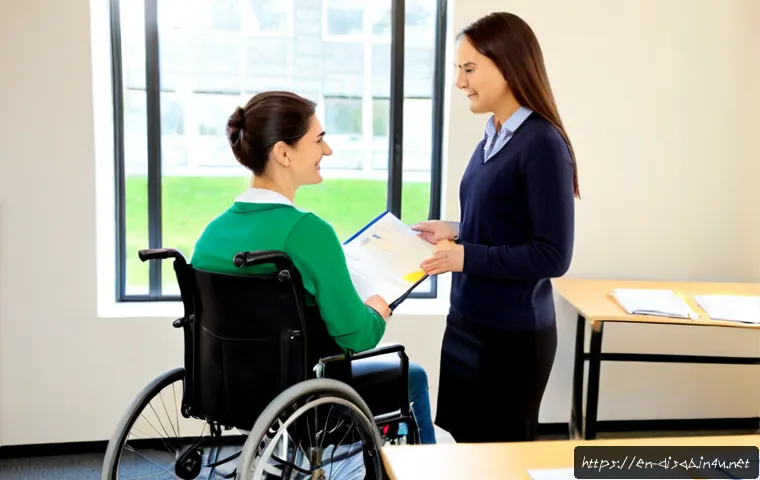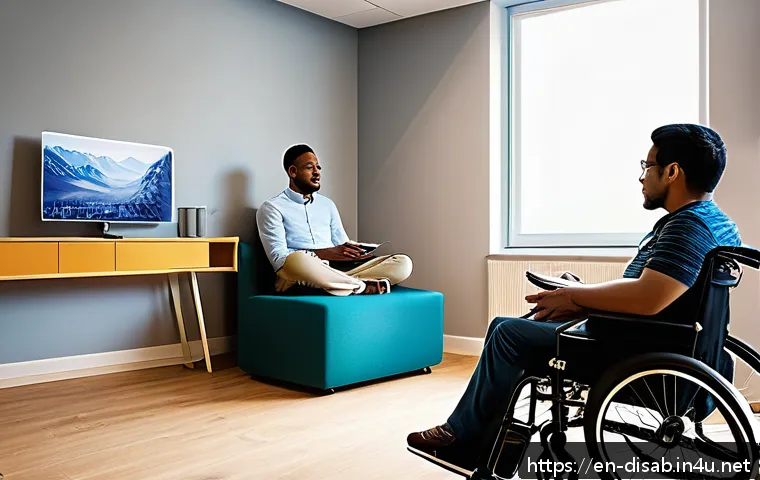
In today’s rapidly evolving healthcare landscape, the synergy between rehabilitation counselors and speech therapists is becoming a game-changer for disability support.

With growing awareness around holistic care, their collaboration is unlocking new pathways to empower individuals facing communication and functional challenges.
I’ve seen firsthand how this teamwork enhances outcomes, making recovery journeys more personalized and effective. If you’re curious about how these professionals join forces to transform lives, stay with me as we explore this dynamic partnership and its impact on modern rehabilitation.
Bridging Communication and Functional Recovery Through Teamwork
How Interdisciplinary Collaboration Enhances Patient Care
When rehabilitation counselors and speech therapists come together, the results can be truly transformative. Each brings a unique lens—rehabilitation counselors focus on the broader psychosocial and vocational aspects, while speech therapists zero in on improving communication and swallowing functions.
By integrating their expertise, they form a comprehensive support system that addresses both the emotional and practical hurdles patients face. From my own experience working alongside these professionals, I’ve noticed that when they coordinate treatment plans, patients feel more supported and motivated.
It’s not just about fixing speech or mobility in isolation; it’s about empowering individuals to regain independence in all areas of life.
Tailoring Interventions for Diverse Needs
One size never fits all, especially in rehabilitation. Speech therapists might work on language comprehension or articulation, but if a patient struggles with confidence or workplace adaptation, that’s where rehabilitation counselors step in.
Together, they craft personalized goals that reflect the patient’s unique challenges and aspirations. For example, a stroke survivor may need speech therapy to improve verbal skills, while also requiring counseling to navigate returning to work or managing social anxiety.
I’ve seen this dual approach dramatically shorten recovery times and improve long-term outcomes because it tackles the whole person, not just isolated symptoms.
Real-Life Success Stories Fueling Optimism
I recall a case where a young adult with a traumatic brain injury was struggling with both speech and job readiness. The speech therapist focused on rebuilding communication pathways, while the rehabilitation counselor helped the individual develop coping strategies and job skills.
Their combined efforts led to the patient securing meaningful employment within months—a result that neither could have achieved alone. Stories like this highlight how this partnership breathes new life into rehabilitation, turning daunting challenges into achievable milestones.
Understanding the Roles and Responsibilities in Collaborative Care
Rehabilitation Counselors: More Than Just Emotional Support
Rehabilitation counselors do much more than offer encouragement; they assess the patient’s environment, vocational skills, and emotional resilience. They help patients navigate complex healthcare systems and connect with community resources, which often goes unnoticed but plays a critical role in sustained recovery.
Their expertise in psychosocial adjustment ensures that patients remain engaged and hopeful, which directly impacts therapy adherence and success.
Speech Therapists: Specialists in Communication and Swallowing Disorders
Speech therapists are trained to diagnose and treat a variety of speech, language, and swallowing disorders. Their work is highly technical, involving exercises, technology-assisted therapy, and continuous assessment.
What’s fascinating is how they adapt their techniques based on a patient’s cognitive and physical limitations. I’ve witnessed sessions where therapists creatively use technology or family involvement to amplify progress, making therapy more effective and less intimidating.
Coordinating Care Plans for Seamless Support
When these two professionals align their treatment objectives, they create a roadmap that’s both holistic and dynamic. They communicate regularly, share progress notes, and adjust plans in response to patient feedback and milestones.
This teamwork reduces the risk of duplicated efforts and contradictory advice, which can confuse patients. From my observation, this coordination is a key factor that differentiates successful rehabilitation programs from fragmented care.
Overcoming Barriers to Effective Collaboration
Communication Challenges Between Disciplines
Despite their common goals, rehabilitation counselors and speech therapists sometimes struggle to speak the same “language.” Each field has its jargon and assessment tools, which can create misunderstandings or delays in decision-making.
I’ve been part of meetings where clarifying terminology was essential before real collaboration could happen. This barrier is gradually being overcome through joint training sessions and interdisciplinary workshops, which foster mutual respect and understanding.
Institutional Constraints and Time Limitations
In busy clinical settings, time is often limited, and professionals may be juggling heavy caseloads. This can hinder regular meetings or thorough case discussions.
From what I’ve gathered, institutions that prioritize interdisciplinary collaboration often schedule dedicated time slots or use digital platforms to facilitate ongoing communication.
Without this structural support, even the most motivated teams can find collaboration challenging.
Strategies to Enhance Collaborative Practices
Some clinics have implemented co-treatment sessions where rehabilitation counselors and speech therapists work with patients simultaneously. This approach not only saves time but also allows for immediate adjustments based on real-time feedback.
Additionally, shared electronic health records enable instant updates and easier tracking of patient progress. In my experience, investing in these tools and workflows pays off by improving patient satisfaction and clinical outcomes.
Measuring the Impact: Outcomes and Patient Satisfaction
Quantifying Functional Improvements
Tracking patient progress through standardized metrics is crucial. Speech therapists use tools like the Functional Communication Profile, while rehabilitation counselors might assess vocational readiness scales.
When combined, these measurements provide a comprehensive picture of recovery. I’ve seen cases where integrated data helped identify early signs of stagnation, allowing the team to pivot strategies promptly.
Enhancing Patient Engagement and Motivation

Patients often feel overwhelmed by the complexity of their conditions, but knowing that a dedicated team is working together boosts morale. Rehabilitation counselors help patients set realistic expectations, while speech therapists celebrate small wins in communication.
This dual support system fosters a sense of achievement and keeps patients actively involved in their recovery journey.
Long-Term Benefits Beyond Therapy
The collaboration between these professionals doesn’t just improve immediate outcomes; it sets the stage for sustained independence. Patients who receive coordinated care are more likely to return to work, participate in social activities, and maintain healthier lifestyles.
From what I’ve observed, this holistic approach reduces the likelihood of relapse or secondary complications, ultimately lowering healthcare costs and improving quality of life.
Innovations Driving the Future of Collaborative Rehabilitation
Technology Integration for Enhanced Communication
Emerging technologies like telehealth platforms and AI-assisted speech therapy apps are bridging gaps in access and convenience. Rehabilitation counselors and speech therapists are leveraging these tools to provide continuous support beyond clinic walls.
I’ve personally seen patients benefit from virtual check-ins and interactive exercises that keep them engaged even when in-person visits aren’t feasible.
Training Programs Promoting Interdisciplinary Skills
Educational institutions are increasingly offering joint courses and certifications that blend counseling and speech therapy competencies. This prepares future professionals to think beyond their silos and embrace collaborative care models from day one.
From attending such workshops, I can say these programs build empathy and teamwork skills that are invaluable in practice.
Policy and Funding Support Encouraging Collaboration
Government agencies and insurance providers are recognizing the value of integrated rehabilitation services. Incentives and reimbursement models now favor coordinated care, encouraging clinics to invest in team-based approaches.
This shift not only benefits patients but also creates a sustainable framework for professionals to work together without financial strain.
Key Elements of Successful Interprofessional Rehabilitation
| Element | Description | Impact on Patient Outcomes |
|---|---|---|
| Clear Communication | Regular, jargon-free exchanges between counselors and therapists | Reduces misunderstandings and aligns goals |
| Shared Treatment Plans | Collaboratively developed and updated care strategies | Ensures holistic and consistent patient support |
| Patient-Centered Approach | Focus on individual needs, preferences, and goals | Enhances motivation and satisfaction |
| Use of Technology | Telehealth, EHRs, and therapy apps for continuous care | Improves access and engagement |
| Ongoing Professional Development | Joint training to understand each discipline’s role | Strengthens teamwork and clinical effectiveness |
Building Trust and Empathy in Rehabilitation Teams
Recognizing Each Other’s Expertise
Trust grows when team members appreciate the depth of each other’s knowledge. Rehabilitation counselors and speech therapists who acknowledge the value of their counterpart’s contributions create a positive working environment.
I’ve seen that this respect often leads to more open dialogue and creative problem-solving, benefiting patients tremendously.
Fostering Patient-Centered Communication
Empathy is key to understanding patients’ struggles beyond clinical symptoms. When both professionals engage patients in decision-making and listen actively, it empowers individuals to take ownership of their recovery.
From my conversations with patients, feeling heard and valued is often what keeps them committed to long-term rehabilitation.
Maintaining Flexibility and Adaptability
No two patients respond the same way to therapy, so teams must remain flexible. Rehabilitation counselors and speech therapists who adapt their methods and collaborate on alternative strategies tend to achieve better outcomes.
I’ve witnessed this adaptability in action during challenging cases where standard protocols fell short, highlighting the importance of teamwork and innovation.
Closing Thoughts
Effective rehabilitation thrives on the seamless collaboration between rehabilitation counselors and speech therapists. Their combined expertise creates a well-rounded support system that addresses both emotional and practical needs, ultimately empowering patients to reclaim independence. Through teamwork, tailored interventions, and innovative approaches, patients experience more meaningful and lasting recovery journeys.
Helpful Insights to Remember
1. Interdisciplinary collaboration enhances patient outcomes by addressing multiple facets of recovery simultaneously.
2. Personalized treatment plans that consider emotional and functional needs lead to faster and more sustainable progress.
3. Clear communication and shared goals between professionals prevent confusion and improve care consistency.
4. Technology and joint training programs play a vital role in supporting continuous, effective collaboration.
5. Empathy and adaptability within teams foster trust and encourage patient engagement throughout rehabilitation.
Key Takeaways for Successful Team-Based Rehabilitation
Successful rehabilitation depends on strong communication, mutual respect, and shared responsibility among team members. Integrating diverse expertise ensures patients receive comprehensive care that goes beyond symptom management. Embracing technology and ongoing education strengthens teamwork and outcomes, while maintaining flexibility helps tailor approaches to each patient’s unique journey. Ultimately, patient-centered collaboration is the cornerstone of lasting recovery and improved quality of life.
Frequently Asked Questions (FAQ) 📖
Q: How do rehabilitation counselors and speech therapists collaborate to support individuals with disabilities?
A: Rehabilitation counselors and speech therapists work closely to create comprehensive care plans tailored to each person’s unique needs. While rehabilitation counselors focus on overall functional goals, vocational training, and emotional support, speech therapists address communication challenges like speech, language, and swallowing difficulties.
Together, they coordinate strategies that not only improve communication skills but also enhance daily living and social integration. From my experience, this teamwork ensures that clients receive well-rounded support, which speeds up progress and boosts confidence.
Q: What are the benefits of involving both rehabilitation counselors and speech therapists in a recovery plan?
A: Combining the expertise of rehabilitation counselors and speech therapists leads to more personalized and effective rehabilitation outcomes. Rehabilitation counselors bring insights into the client’s psychological well-being and life goals, while speech therapists handle the technical aspects of communication improvement.
This partnership helps address both emotional and physical barriers, making recovery more holistic. I’ve noticed that clients tend to stay more motivated and engaged when their therapy addresses multiple aspects of their challenges simultaneously, which ultimately improves their quality of life.
Q: Can this collaboration help with vocational rehabilitation and returning to work?
A: Absolutely. Rehabilitation counselors often guide clients through vocational assessment and job placement, while speech therapists help improve communication skills essential for workplace interactions.
This combined support is crucial for individuals with speech or cognitive impairments who want to re-enter the workforce. I’ve seen firsthand how clients who receive joint support feel better prepared and more confident during interviews and on the job.
The collaboration ensures that communication difficulties don’t become barriers to employment, making the return-to-work process smoother and more successful.