
Preparing for certification exams can often feel overwhelming, especially when it comes to specialized fields like rehabilitation counseling for individuals with disabilities.
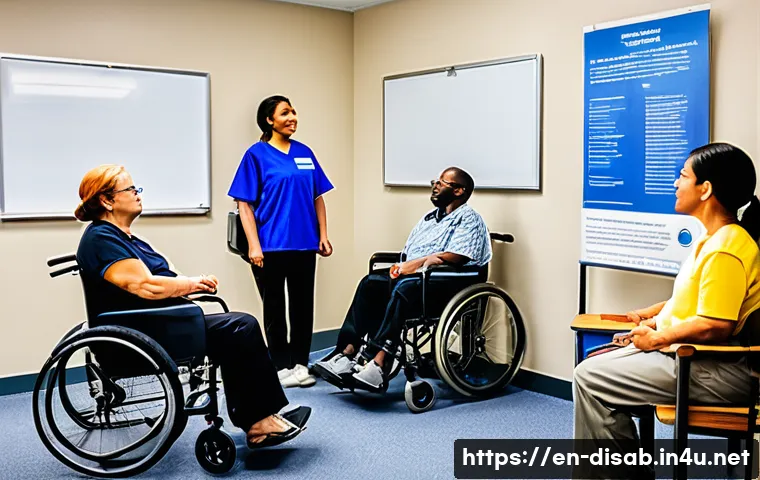
Analyzing past exam questions not only helps identify key topics but also reveals patterns in question types and difficulty levels. This insight allows candidates to focus their study efforts more efficiently and build confidence.
Over time, trends in the exam content may shift, reflecting changes in industry standards and best practices, so staying updated is crucial. Whether you’re a first-time test taker or aiming to improve your score, understanding the exam structure can make all the difference.
Let’s dive deeper into the details below to get a clearer picture!
Exam Content Breakdown and Core Focus Areas
Understanding the Primary Knowledge Domains
When examining past rehabilitation counseling certification exams, it becomes clear that the test content revolves mainly around a few key knowledge domains.
These include the fundamentals of counseling theories, disability-specific rehabilitation strategies, ethical and legal considerations, and case management principles.
From my experience reviewing multiple exam cycles, the counseling theories section consistently tests your grasp of both traditional and contemporary models, requiring you to apply theory to practical scenarios.
The disability-specific portion often covers physical, cognitive, and psychosocial impairments, demanding nuanced understanding of individualized rehabilitation approaches.
Ethical questions frequently explore confidentiality, informed consent, and professional boundaries, reflecting real-world dilemmas counselors face daily.
Case management questions, meanwhile, focus on coordinating services, resource allocation, and outcome evaluation. Recognizing these domains early on helps candidates allocate study time more strategically, avoiding wasted effort on less emphasized topics.
Patterns in Question Types and Formats
The exam tends to mix multiple-choice questions with scenario-based items that require critical thinking and application rather than rote memorization.
For instance, situational questions often present a brief client vignette followed by inquiries about the most appropriate intervention or ethical response.
These questions test not just knowledge but judgment and decision-making skills, which are essential in rehabilitation counseling practice. True/false and matching questions appear less frequently but still require careful attention to detail.
In my own preparation, practicing scenario-based questions proved invaluable because they mimic the real challenges faced in clinical settings. Additionally, some exams introduce questions that combine multiple concepts, such as integrating legal standards within a counseling case, which raises the difficulty level.
Recognizing these patterns allows test takers to sharpen problem-solving strategies and improve time management during the exam.
Tracking Shifts in Exam Emphasis Over Time
Over the years, the focus within the exam has evolved to reflect changes in the rehabilitation counseling field. For example, there is now greater emphasis on multicultural competency and the integration of emerging technologies in rehabilitation services.
Questions related to telehealth practices and digital tools have appeared more frequently, especially following recent global shifts toward remote service delivery.
Similarly, the ethical section has expanded to include topics like data privacy and interprofessional collaboration. This evolution suggests the exam board’s intention to align testing with current industry trends and best practices.
Staying updated with these shifts is crucial; relying solely on outdated study materials can leave candidates ill-prepared for new content areas. From what I’ve observed, successful candidates stay engaged with professional journals, webinars, and workshops to keep their knowledge fresh and relevant.
Effective Strategies for Analyzing Past Exam Questions
Systematic Review and Categorization
One effective approach is to create a detailed spreadsheet categorizing past questions by topic, format, and difficulty. This method helps identify areas where you consistently perform well and others requiring more attention.
For example, I found that when I grouped questions into categories like “ethical dilemmas” or “disability-specific interventions,” patterns emerged showing which subtopics were more frequently tested.
This allowed me to tailor my study sessions, focusing on weaker areas without neglecting my strengths. In addition, noting the complexity of questions helped me simulate realistic practice tests, ensuring I was prepared not just for easier recall questions but also for complex problem-solving items.
Organizing questions this way also aids in tracking progress over time, which can boost motivation and confidence.
Utilizing Practice Exams for Active Learning
Simply reading through past questions isn’t enough; actively engaging with them by attempting full-length practice exams under timed conditions is critical.
This experience mimics the pressure and pacing of the real exam, helping you develop endurance and time management skills. When I first took practice exams, I noticed I often spent too long on tricky scenario questions, causing time crunches later.
By timing myself and reviewing missed items thoroughly, I gradually improved my pacing and accuracy. Moreover, reviewing explanations—whether from study guides or expert forums—helps deepen understanding, especially when you encounter unfamiliar concepts.
The key is to treat each practice exam as a learning opportunity rather than just a performance test, allowing for continuous improvement.
Collaborative Study and Peer Discussions
Discussing past exam questions with peers or mentors offers additional perspectives that can clarify confusing topics or introduce alternative approaches to problem-solving.
In my experience, study groups fostered rich conversations about ethical scenarios and intervention strategies that I might not have considered on my own.
Peers often share tips on mnemonic devices or resource recommendations, which can make studying more efficient and enjoyable. Additionally, explaining concepts aloud to others reinforces your own comprehension and retention.
Whether through formal study groups or informal chats, incorporating collaborative learning can be a powerful supplement to individual study, especially for complex or abstract content areas.
Common Challenges and How to Overcome Them
Dealing with Information Overload
The sheer volume of material to cover for the rehabilitation counseling exam can be intimidating, often leading to burnout or procrastination. From my own journey, breaking down study material into manageable chunks proved essential.
Instead of trying to absorb everything at once, I focused on mastering one domain at a time and took frequent short breaks to maintain mental clarity.
Using visual aids like mind maps or color-coded notes helped me organize information and recall it more easily during review. It’s also important to prioritize quality over quantity—deep understanding of core concepts outweighs superficial knowledge of every detail.
Setting realistic goals and tracking progress prevents feeling overwhelmed and keeps motivation steady.
Addressing Test Anxiety and Building Confidence
Anxiety can severely impact exam performance, especially when facing scenario-based questions that require critical thinking under time constraints. I found that regular practice under simulated exam conditions gradually reduced my nervousness.
Techniques such as mindfulness, deep breathing, and positive self-talk before and during the test helped maintain focus. Visualizing successful outcomes also boosted my confidence.

Additionally, reminding myself that the exam is designed to assess practical skills rather than perfection helped shift my mindset toward problem-solving rather than fear of failure.
Developing a consistent pre-exam routine that includes review, relaxation, and preparation can make a significant difference on test day.
Balancing Theory with Practical Application
Many candidates struggle to connect theoretical knowledge with real-life counseling scenarios, which is crucial for success on this exam. The test doesn’t just ask what you know—it expects you to apply that knowledge effectively.
To bridge this gap, I recommend supplementing textbook study with case studies, role-playing exercises, or volunteer experiences in rehabilitation settings.
These activities provide context and deepen understanding of how concepts translate into practice. Additionally, reviewing detailed answer rationales in practice tests helps illuminate the reasoning behind correct choices, reinforcing the application of theory.
This approach ensures that when you encounter complex scenarios on the exam, you’re prepared to analyze and respond thoughtfully.
Time Allocation and Prioritization During the Exam
Effective Time Management Techniques
Managing time wisely during the exam is a game-changer. The mixture of question types means some items will naturally take longer than others. In my experience, quickly scanning through the exam to identify easier questions first and answering them can build momentum and secure points early.
Marking difficult or time-consuming questions for review helps avoid getting stuck. Allocating a rough time limit per question based on the total exam duration ensures you don’t spend too long on any one item.
Practicing this strategy during mock exams was crucial for developing an internal clock. Remember, leaving no questions unanswered is better than agonizing over a single tough one.
Prioritizing High-Impact Topics
Certain topics carry more weight or appear more frequently, so prioritizing these during the exam can maximize your score. For example, ethical dilemmas and core counseling theories often underpin multiple questions, directly influencing your overall results.
If you’re uncertain about a question in a high-yield area, it’s worth spending extra time to reason through it carefully. Conversely, less common topics might warrant a quicker guess if time is tight.
Understanding the relative importance of each domain from past exam analysis helps guide these decisions. In my case, having a mental checklist of priority areas proved invaluable for strategic answering under pressure.
Utilizing Technology and Resources to Enhance Preparation
Leveraging Online Question Banks and Apps
Modern preparation is greatly enhanced by the availability of digital tools. Online question banks offer vast repositories of past and simulated exam questions, often with detailed explanations and performance tracking.
I found that using these platforms helped me identify patterns I hadn’t noticed before and allowed me to practice anytime, anywhere. Many apps also include timed quizzes and flashcards, which make reviewing efficient and engaging.
The interactive nature of these tools keeps motivation high and prevents study fatigue. However, it’s important to choose reputable sources aligned with current exam standards to avoid outdated or inaccurate content.
Incorporating Multimedia Learning Methods
Videos, podcasts, and webinars provide alternative ways to absorb complex material, catering to different learning styles. For instance, listening to expert discussions on rehabilitation counseling ethics helped me grasp subtle nuances better than reading alone.
Visual demonstrations of counseling techniques or case analyses deepen understanding by illustrating concepts in action. Participating in live webinars also offers opportunities to ask questions and engage with professionals, adding a layer of interactivity.
Combining these multimedia resources with traditional reading and practice tests creates a well-rounded preparation strategy that keeps learning dynamic and less monotonous.
Tracking Progress with Analytics and Feedback
Many digital study platforms provide detailed analytics on your strengths and weaknesses, highlighting specific topics where you need improvement. I made it a habit to review these reports weekly, adjusting my study plan accordingly.
Immediate feedback on practice questions helps reinforce correct knowledge and correct misunderstandings quickly. This data-driven approach prevents wasted time on areas already mastered and focuses effort where it counts most.
Incorporating feedback loops into your study routine ensures continuous growth and readiness for exam day.
| Exam Section | Typical Question Types | Focus Areas | Estimated Weight |
|---|---|---|---|
| Counseling Theories | Multiple-choice, Scenario-based | Behavioral, Cognitive, Humanistic Models | 25% |
| Disability-Specific Rehabilitation | Scenario-based, True/False | Physical, Cognitive, Psychosocial Disabilities | 30% |
| Ethical and Legal Considerations | Multiple-choice, Case Vignettes | Confidentiality, Consent, Professional Boundaries | 20% |
| Case Management | Scenario-based, Matching | Resource Coordination, Outcome Measurement | 15% |
| Emerging Trends and Technologies | Multiple-choice | Telehealth, Digital Tools, Multicultural Competency | 10% |
Conclusion
Preparing for the rehabilitation counseling exam requires a clear understanding of key content areas and question formats. By focusing on strategic study methods and staying updated with industry trends, candidates can boost their confidence and improve performance. Practice, reflection, and active engagement with the material are essential to success. Remember, this exam tests both knowledge and practical application, so a balanced approach is key.
Useful Tips to Keep in Mind
1. Break down study material into manageable sections to avoid feeling overwhelmed and maintain steady progress.
2. Use timed practice exams to build endurance and improve time management skills under pressure.
3. Engage in group discussions or study with peers to gain new perspectives and reinforce your understanding.
4. Incorporate multimedia resources like videos and podcasts to diversify your learning and keep motivation high.
5. Regularly review analytics from practice platforms to identify strengths and focus on weaker areas for efficient study.
Key Takeaways
Successful exam preparation hinges on recognizing the exam’s evolving focus areas, particularly ethical considerations and emerging technologies. Prioritizing high-yield topics and practicing scenario-based questions enhances practical decision-making skills. Managing study time wisely and addressing test anxiety are just as important as mastering content. Lastly, leveraging technology and collaborative learning can significantly elevate your readiness and confidence on test day.
Frequently Asked Questions (FAQ) 📖
Q: How can analyzing past exam questions improve my preparation for the rehabilitation counseling certification exam?
A: Reviewing past exam questions gives you a direct glimpse into the types of topics and question formats that frequently appear. It helps you identify which areas are emphasized, so you don’t waste time studying less relevant content.
Personally, I found that focusing on these patterns allowed me to tailor my study plan effectively and boosted my confidence on test day. Knowing what to expect reduces anxiety and sharpens your ability to tackle tricky questions.
Q: Have the content and focus areas of the rehabilitation counseling exam changed over time?
A: Yes, the exam content often evolves to reflect current industry standards, best practices, and legislative updates related to disability services and rehabilitation counseling.
From my experience, staying updated by regularly checking official exam resources and professional organizations is essential. This way, you won’t be caught off guard by new topics or shifts in emphasis, ensuring your knowledge remains relevant and comprehensive.
Q: What strategies work best for first-time test takers to manage the overwhelming amount of material?
A: For first-timers, breaking down the material into manageable chunks is key. I recommend creating a realistic study schedule that prioritizes high-yield topics identified through past exams.
Incorporating active learning methods, such as practice quizzes and discussion groups, helps solidify understanding. Also, don’t underestimate the power of self-care—adequate rest and stress management can dramatically improve focus and retention during preparation.