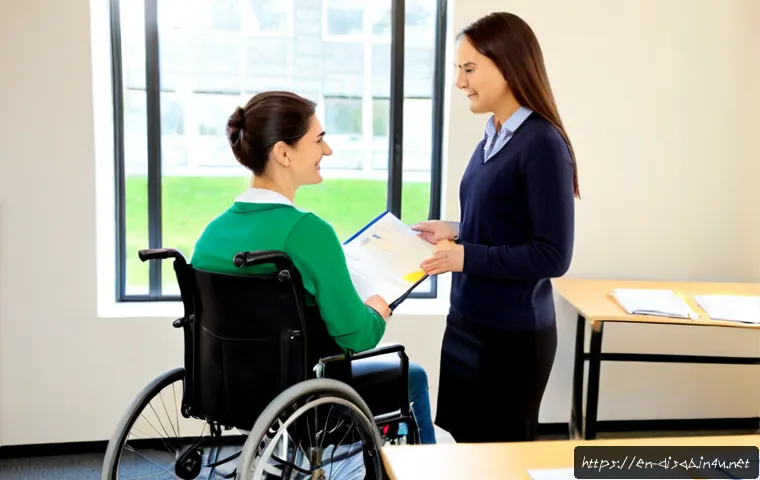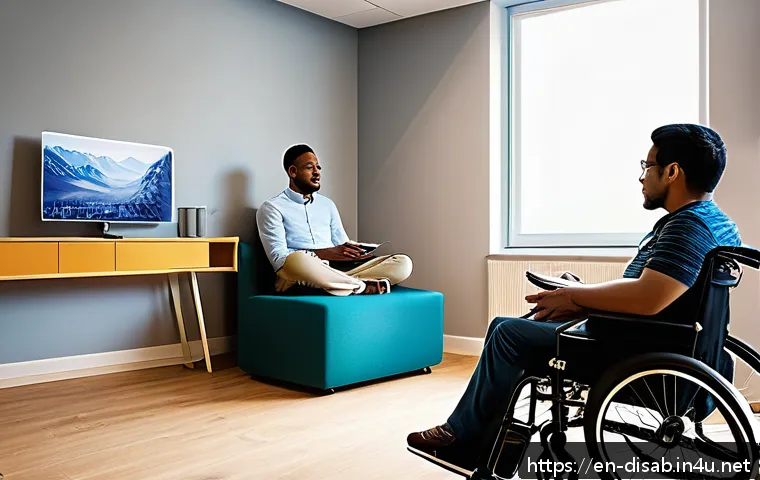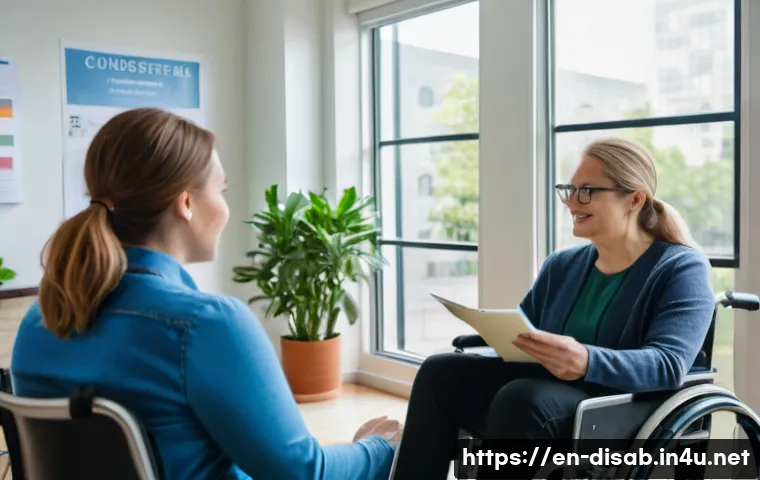
Navigating a career as a disability rehabilitation counselor offers a unique blend of challenges and rewards. Many aspiring professionals seek guidance on how to effectively support individuals with disabilities while building a fulfilling career.

From understanding essential skills to exploring real-world scenarios, mentorship plays a vital role in shaping success. Having experienced this path firsthand, I’ve seen how personalized advice can transform uncertainties into clear opportunities.
Whether you’re just starting out or considering a career shift, gaining insights from those who’ve walked the road makes all the difference. Let’s dive deeper and explore the key aspects of disability rehabilitation counseling in the following discussion.
We’ll break it down clearly and thoroughly for you!
Essential Skills for Effective Disability Rehabilitation Counseling
Building Empathy and Active Listening Abilities
One of the core pillars of being a successful disability rehabilitation counselor is cultivating genuine empathy. It’s not just about understanding the challenges faced by clients with disabilities but truly feeling their frustrations, hopes, and triumphs.
When I first started, I realized that active listening goes far beyond nodding or verbal affirmations. It means tuning into subtle emotional cues, pauses, and even body language.
Practicing this skill in real sessions helped me build deeper trust with clients, which is essential for effective counseling. This connection often becomes the foundation upon which progress is made, as clients feel valued and understood.
Developing Problem-Solving and Adaptability
Every individual’s situation is unique, and a one-size-fits-all approach rarely works in rehabilitation counseling. I learned early on that being flexible and creative in problem-solving is a must.
Whether it’s modifying a vocational plan or adapting communication strategies, being able to pivot quickly based on client needs is key. For example, I once worked with a client whose physical limitations made traditional job training impossible.
Together, we brainstormed alternative pathways, such as remote work opportunities, which ultimately led to a fulfilling career. This kind of adaptability ensures that counselors can meet diverse client needs effectively.
Mastering Communication and Advocacy
Clear communication is critical, both in one-on-one counseling sessions and when collaborating with other professionals or agencies. I found that developing the ability to advocate strongly on behalf of clients often made a tangible difference in their access to resources and support.
Whether writing detailed reports, explaining complex medical or legal information, or negotiating workplace accommodations, strong communication skills elevate the counselor’s role.
It’s also important to educate clients on how to advocate for themselves, empowering them to take charge of their own rehabilitation journey.
Understanding the Rehabilitation Process and Client Needs
Assessment and Goal Setting
The initial phase of rehabilitation counseling involves comprehensive assessment, which includes physical, psychological, and social factors impacting the client’s life.
Early in my career, I realized that thorough assessments are more than paperwork—they set the stage for meaningful interventions. Collaboratively setting realistic and personalized goals with clients not only increases motivation but also provides measurable milestones to track progress.
I often use a mix of standardized tools and conversational techniques to ensure assessments are both accurate and client-centered.
Designing Tailored Intervention Plans
Once assessments are complete, the next step is crafting intervention plans tailored to individual strengths and limitations. This stage requires balancing clinical knowledge with creativity.
For instance, I’ve worked with clients who benefited from integrating physical therapy with vocational training, while others needed mental health support alongside job placement services.
The key is maintaining flexibility and continuously adjusting plans based on client feedback and evolving circumstances, ensuring the approach remains effective and relevant.
Monitoring Progress and Providing Continuous Support
Rehabilitation is rarely linear, and setbacks can occur. Regular follow-up sessions allow counselors to monitor progress, address emerging challenges, and modify plans as necessary.
From experience, I’ve found that maintaining open communication channels and providing encouragement during tough phases helps clients stay engaged. Moreover, connecting clients with peer support groups or community resources can provide additional layers of motivation and assistance, which are crucial for long-term success.
Real-Life Scenarios and Lessons Learned from the Field
Case Study: Overcoming Employment Barriers
I remember working with a client who had a traumatic brain injury and faced significant challenges re-entering the workforce. Initially, the client was overwhelmed by the prospect of job hunting and doubted their abilities.
Through a combination of cognitive rehabilitation exercises and tailored job coaching, we gradually built confidence and skills. The turning point came when the client secured an internship at a local nonprofit, which eventually led to a full-time position.
This experience reinforced for me the importance of patience and incremental progress in rehabilitation counseling.
Handling Emotional and Psychological Hurdles
Emotional resilience is often as crucial as physical rehabilitation. In my practice, I frequently encounter clients grappling with depression, anxiety, or identity shifts related to their disabilities.
One particularly memorable case involved a young woman struggling with the loss of independence after an accident. By integrating counseling techniques focused on acceptance and self-efficacy, along with referrals to mental health specialists, we helped her regain a positive outlook.
This highlighted the necessity of holistic care that addresses both mind and body.
Collaborating with Multidisciplinary Teams
Disability rehabilitation counseling rarely happens in isolation. Throughout my career, I’ve learned that working closely with physicians, occupational therapists, social workers, and employers creates a more comprehensive support system for clients.
Effective collaboration requires strong interpersonal skills and respect for each professional’s expertise. For example, in one case, coordinating with a physical therapist allowed us to align therapeutic goals with vocational objectives, resulting in a smoother rehabilitation journey for the client.
Strategies for Building a Successful Career in Rehabilitation Counseling
Networking and Finding Mentorship
Early on, I found that building a professional network was invaluable. Attending conferences, joining associations, and participating in online forums helped me connect with experienced counselors who generously shared insights.
Finding a mentor who understands the unique challenges of this field can accelerate learning and provide emotional support. Mentors can offer guidance on navigating complex cases, career advancement, and self-care strategies, which are often overlooked but vital for sustainability.
Continuing Education and Specialization
The field of rehabilitation counseling is constantly evolving with new research, technologies, and legal frameworks. I’ve personally benefited from pursuing specialized certifications in areas like vocational rehabilitation and assistive technology.
Continuous learning not only enhances your skill set but also increases credibility and career opportunities. Investing time in workshops, webinars, and advanced degrees demonstrates commitment and keeps you at the forefront of best practices.
Balancing Professional and Personal Well-being
Working closely with clients facing significant life challenges can be emotionally taxing. From my experience, setting clear boundaries and prioritizing self-care are essential to avoid burnout.
This might include regular supervision sessions, mindfulness practices, or simply carving out time for hobbies and family. A healthy work-life balance allows counselors to bring their best selves to their work, ultimately benefiting both the professional and the clients they serve.
Practical Tools and Resources to Enhance Counseling Effectiveness
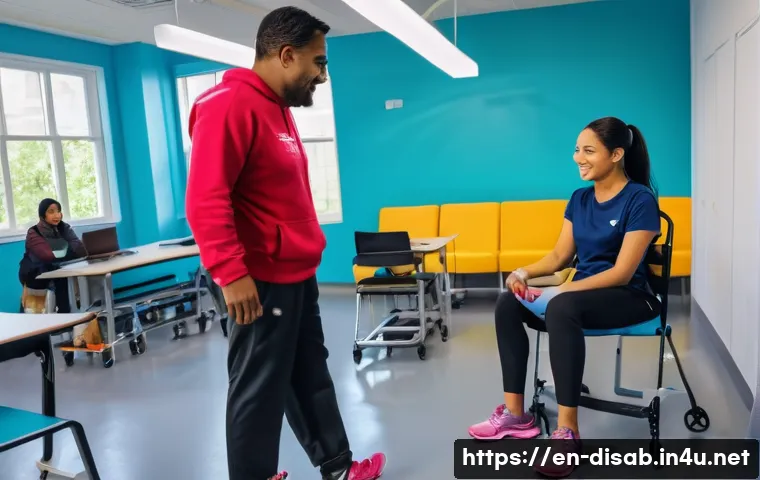
Utilizing Technology in Rehabilitation
The integration of technology has transformed how rehabilitation counseling is delivered. I’ve found tools like telehealth platforms, mobile apps for goal tracking, and virtual reality for skill-building incredibly useful.
For example, telehealth expanded my reach to clients in rural areas who otherwise struggled to access services. Technology can also streamline documentation and improve communication with multidisciplinary teams, making the entire process more efficient and client-friendly.
Accessing Community and Government Resources
Navigating the maze of community programs, insurance options, and government benefits can be daunting for clients. As a counselor, being well-versed in available resources allows you to guide clients effectively.
I keep an up-to-date directory of local agencies, vocational training programs, and disability rights organizations, which I share regularly. Helping clients access these supports not only facilitates rehabilitation but also empowers them to advocate for their needs.
Incorporating Peer Support and Advocacy Groups
Peer support can be a game-changer in rehabilitation. Clients often benefit from connecting with others who share similar experiences, providing emotional support and practical advice.
I encourage clients to join advocacy groups or support networks where they can learn from peers’ successes and challenges. These groups often foster a sense of community and belonging that complements professional counseling efforts.
Key Competencies and Certifications for Career Advancement
Understanding Credentialing Requirements
To advance in this field, it’s important to understand the specific certification and licensing requirements in your region. For example, becoming a Certified Rehabilitation Counselor (CRC) in the U.S.
involves meeting educational prerequisites, passing an exam, and completing supervised practice hours. I recall that preparing for this certification pushed me to deepen my knowledge and sharpen my clinical skills, which proved invaluable in practice.
Enhancing Expertise through Specialized Training
Specializing in areas like substance abuse, mental health, or pediatric rehabilitation can open new career doors. I chose to pursue additional training in trauma-informed care, which enhanced my ability to support clients with complex histories.
Specialized expertise not only broadens your impact but also positions you as a valuable resource within your workplace or community.
Leveraging Soft Skills for Professional Growth
While technical knowledge is essential, soft skills like emotional intelligence, conflict resolution, and cultural competence play a huge role in career success.
I’ve noticed that counselors who excel at building rapport and navigating sensitive conversations often receive more referrals and leadership opportunities.
Investing in these interpersonal skills can elevate your professional reputation and effectiveness.
Common Challenges and How to Overcome Them
Managing Emotional Fatigue and Compassion Fatigue
One of the toughest parts of this career is handling the emotional weight of client stories and setbacks. I’ve faced periods of compassion fatigue myself, where the emotional toll felt overwhelming.
What helped me was developing a strong support system among colleagues, engaging in regular supervision, and practicing self-compassion. Recognizing signs early and seeking help is crucial to maintaining long-term effectiveness.
Dealing with Systemic Barriers and Limited Resources
Clients often face barriers such as limited funding, inaccessible workplaces, or societal stigma. Navigating these systemic issues can be frustrating for counselors.
I found that persistence, creative problem-solving, and advocacy are key. For instance, collaborating with local employers to create inclusive job opportunities or lobbying for policy changes can gradually improve conditions.
It’s a challenging but vital part of the role.
Balancing Administrative Duties with Client-Focused Work
The paperwork and documentation requirements can sometimes feel overwhelming and detract from direct client interaction. Early on, I struggled to find a balance.
Over time, I developed efficient organizational systems and prioritized tasks to maximize face-to-face time with clients. Technology tools and administrative support can also help reduce the burden, allowing counselors to focus more on impactful work.
Comparison of Key Certification Bodies and Their Requirements
| Certification | Governing Body | Educational Requirements | Experience Needed | Exam Required | Renewal Period |
|---|---|---|---|---|---|
| Certified Rehabilitation Counselor (CRC) | Commission on Rehabilitation Counselor Certification (CRCC) | Master’s degree in rehabilitation counseling or related field | 4000 hours supervised work experience | Yes, written exam | Every 5 years (continuing education required) |
| Licensed Professional Counselor (LPC) | State Licensing Boards (varies by state) | Master’s degree in counseling or related field | 2000-4000 hours supervised clinical experience | Yes, state-specific exam | Every 2-3 years (CEUs required) |
| Certified Vocational Rehabilitation Professional (CVRP) | National Rehabilitation Association | Bachelor’s or higher in related field | Varies, typically 2 years experience | Yes, exam | Every 3 years (CEUs required) |
Conclusion
Effective disability rehabilitation counseling requires a blend of empathy, adaptability, and strong communication skills. Through real-world experience, I’ve seen how personalized approaches and continuous support make a profound difference in clients’ lives. Staying committed to learning and self-care not only enhances professional growth but also ensures lasting positive outcomes. Ultimately, building trust and advocating for clients are at the heart of successful rehabilitation counseling.
Useful Information to Keep in Mind
1. Building genuine empathy and practicing active listening are essential for creating a trusting counselor-client relationship.
2. Flexibility in problem-solving allows counselors to tailor rehabilitation plans that suit each client’s unique circumstances.
3. Clear communication and strong advocacy help clients access vital resources and empower them to advocate for themselves.
4. Ongoing education and specialization keep counselors informed of the latest developments and increase career opportunities.
5. Balancing professional responsibilities with personal well-being is crucial to prevent burnout and maintain effectiveness.
Key Takeaways
Success in disability rehabilitation counseling hinges on developing both technical expertise and interpersonal skills. Prioritizing client-centered assessments, adaptable intervention plans, and continuous progress monitoring creates a solid foundation for positive outcomes. Counselors must also navigate emotional challenges and systemic barriers with resilience and creativity. Finally, investing in professional growth through certifications and networks supports long-term career advancement and quality care delivery.
Frequently Asked Questions (FAQ) 📖
Q: What essential skills should I develop to become an effective disability rehabilitation counselor?
A: To thrive as a disability rehabilitation counselor, you’ll want to hone a mix of interpersonal and professional skills. Communication tops the list—being able to listen deeply and express empathy helps build trust with clients.
Critical thinking and problem-solving are also crucial since each individual’s needs can be quite unique. Additionally, understanding relevant laws, medical terminology, and assistive technologies enhances your ability to create tailored rehabilitation plans.
From my experience, combining these skills with patience and cultural sensitivity truly makes a difference in client outcomes.
Q: How can mentorship impact my career development in disability rehabilitation counseling?
A: Mentorship can be a game-changer in this field. Having a seasoned professional guide you provides real-world insights that textbooks often miss. When I was starting out, my mentor shared practical strategies for handling complex cases and navigating workplace dynamics, which boosted my confidence immensely.
Mentors also open doors to networking opportunities and professional growth. Beyond technical advice, they offer emotional support—something that’s invaluable when you’re facing the emotional weight of this work.
Seeking out a mentor early on can accelerate your learning curve and help you avoid common pitfalls.
Q: What are some common challenges faced by disability rehabilitation counselors, and how can I overcome them?
A: One frequent challenge is managing the emotional toll of working closely with clients who face significant barriers. It’s easy to feel overwhelmed or burned out.
Setting clear boundaries and practicing self-care are essential strategies I’ve learned to stay balanced. Another challenge is staying updated with ever-evolving laws and technologies, which requires ongoing education and flexibility.
Lastly, building rapport with clients from diverse backgrounds can be tough, but approaching each person with genuine curiosity and respect usually breaks down barriers.
Remember, persistence and continuous learning are key to turning these challenges into rewarding experiences.