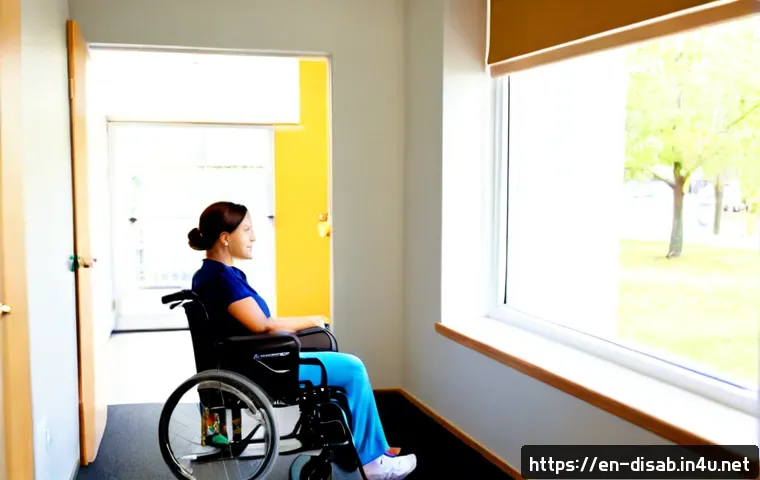
Choose a rehabilitation counseling practicum site by checking supervision, client population, accessibility, learning scope, travel costs, safety procedures, and placement requirements before you commit.

Choose a rehabilitation counseling practicum site by confirming program approval, supervisor quality, and your permitted trainee duties before comparing convenience.
A well-known organization is not automatically the best placement if it offers limited feedback, unclear client contact, or a poor match for your career direction.
The strongest choice balances meaningful learning with practical realities such as accessibility, commute, onboarding requirements, and unpaid placement costs.
Ask direct questions early, especially about supervision, documentation, confidentiality, and the type of clients or services you may experience. Requirements can differ by university, credential pathway, and jurisdiction, so verify every key detail with your program and the placement site.
A careful comparison now can prevent a semester of observation-only work or unexpected expenses.
At a Glance
- Confirm approval first: Your university or program must confirm that the site and supervisor meet its practicum rules.
- Choose learning over name recognition: Defined duties, available supervision, and useful feedback matter more than a familiar site name.
- Calculate the full commitment: Include commuting options, parking, student liability insurance, screenings, professional clothing, and unpaid time.
| Decision Factor | What to Compare | Why It Matters |
|---|---|---|
| Program approval | Approved site status, required documents, supervisor eligibility | An unapproved placement may not count toward practicum requirements. |
| Supervision | Supervisor availability, feedback process, planned meetings | Consistent clinical supervision supports safer and more useful learning. |
| Role scope | Client contact, documentation, case management, assessments, meetings | You need clarity about what trainees may actually do. |
| Access and logistics | Facility accessibility, transit, parking, schedule, safety procedures | A difficult commute or inaccessible setting can affect attendance and energy. |
| Career fit | Vocational services, behavioral health, schools, hospitals, disability programs | The setting can help you explore a specific rehabilitation counseling path. |
| Total cost | Transportation, insurance, background checks, onboarding, unpaid hours | A low-cost commute does not always mean a low-cost placement. |
What Makes a Practicum Site Worth Choosing?
A worthwhile practicum site gives you a clear trainee role, appropriate supervision, and learning activities that fit your program requirements. The best option is not necessarily the closest office or the most recognizable organization. It is the one that can document an appropriate learning environment while protecting client privacy and supporting your development.
Start With Program Approval and Required Hours
Before applying or accepting an offer, ask your practicum coordinator whether the organization is approved or whether it must be reviewed first. Site rules, supervision standards, and required hours can vary by school, credential pathway, and jurisdiction. Confirm who handles affiliation paperwork, whether the site accepts trainees from your program, and what documents must be completed before your start date.
Do not assume that work experience, volunteer activity, or observation hours will automatically qualify as practicum credit. Your program should clarify what counts.
Prioritize a Qualified, Available Supervisor
Supervision quality is often the most important selection factor. Ask who will supervise you, how often you will meet, and how questions are handled between meetings. A busy supervisor may have strong experience but limited time for reviewing documentation, discussing difficult cases, or giving performance feedback.
A useful arrangement includes planned supervision, defined expectations, and a way to address concerns. Confirm that the site can provide the level and type of supervision your program requires rather than relying on a verbal promise.
Match the Site’s Work to Your Career Direction
Rehabilitation counseling practicum placements may be available in community rehabilitation programs, vocational services, behavioral health settings, schools, hospitals, nonprofit organizations, or government agencies. Each setting can expose you to different systems, client needs, and team structures.
If you are exploring employment-focused work, vocational rehabilitation and job-support services may be more relevant than a general placement with little employment planning. If you are considering case management or community disability services, ask whether the site involves service coordination, resource navigation, and interdisciplinary communication.
Compare Practicum Sites Before You Apply
Use the same questions for every site. A simple comparison prevents convenience, pressure, or name recognition from making the decision for you.
Supervision, Client Contact, Documentation, and Feedback
Ask whether trainees may observe, participate in, or lead parts of client work under supervision. Specifically, confirm whether your role can include direct client contact, documentation, case management, assessments, treatment or service planning, and interdisciplinary meetings. Permission for each activity may depend on the site’s policies and your trainee status.
Observation can be useful at the beginning, but an observation-only position may not provide the practical learning you expected. Request a description of typical duties and how feedback is provided after client interactions or written work.
Accessibility, Travel Time, Schedule Flexibility, and Safety
A placement should be workable for the full practicum period. Check physical accessibility, transit access, parking availability, building entry procedures, and whether the schedule is compatible with classes or employment. If you need accommodations, discuss the facility and schedule needs early through the appropriate program and site channels.
Also ask about safety procedures, confidentiality practices, and who to contact if an issue arises. Client privacy is especially important in rehabilitation counseling settings, so clarify how trainee access to records, meetings, and communication systems is managed.
Total Placement Cost: Transport, Parking, Insurance, and Screenings
Unpaid practicum hours can carry real costs. Create a total-placement-cost checklist before committing:
- Transportation, fuel, public transit, or other commuting options
- Parking or building access costs, if applicable
- Student liability insurance requirements
- Background-check services and required onboarding documents
- Immunization records, confidentiality training, or other compliance tasks
- Professional clothing and time away from paid work
Ask which items are required, who provides them, and when they must be completed. Do not assume a site will cover screenings, insurance, or travel.
Questions to Ask a Potential Placement Supervisor
Good questions show that you are planning responsibly, not being difficult. They also help reveal whether the placement has a structured student experience.
What Will a Typical Week Look Like?
Ask what a trainee’s week generally includes. You might ask about client observation, team meetings, documentation, training sessions, case review, administrative tasks, and expected schedule changes. Then compare the answer with your program’s practicum objectives.
How Are Supervision and Performance Feedback Handled?
Ask how supervision is scheduled, how written work is reviewed, and how concerns are addressed. A clear answer should explain the process, not simply state that support is available. You should also ask whether the supervisor has experience working with trainees from similar programs.
Which Client Populations and Services Will I Be Exposed To?
Ask about the broad client population and the services the organization provides. This may include employment services, disability supports, behavioral health services, school transition planning, hospital-based rehabilitation, or community resource coordination. Avoid assuming that a site will offer a particular client-contact opportunity until the supervisor confirms it.

Avoid Common Placement Mistakes
Most placement problems begin with assumptions. A short confirmation process can prevent a long-term mismatch.
Accepting a Site Before Confirming School Approval
Do not commit before your program confirms the site, supervisor, and paperwork process. A site may be excellent in general but still not meet your school’s approved placement rules or credential-related expectations.
Confusing Observation-Only Duties With Meaningful Training
Ask what you will be allowed to do after orientation. If the duties are unclear, request examples of learning activities. Meaningful training does not require unrestricted client access, but it should include defined educational work and appropriate feedback.
Underestimating Unpaid Hours and Onboarding Timelines
Background checks, immunization records, confidentiality training, liability insurance, and other onboarding documents can take time to organize. Build room in your schedule for these tasks. Also consider whether travel and unpaid practicum hours are sustainable alongside work, caregiving, or coursework.
Choose by Career Path and Learning Needs
Your practicum does not need to decide your entire career. It should, however, give you relevant exposure and help you identify what type of rehabilitation counseling work fits you best.
For Vocational Rehabilitation and Employment Services
Look for opportunities related to employment planning, workplace supports, career development, job retention, benefits-related referrals, or coordination with community resources. Ask whether trainees can attend relevant meetings or observe how employment goals are developed and reviewed.
For Mental Health, Community Disability Services, or Case Management
Consider sites where you can learn about coordinated care, service navigation, client advocacy, documentation, and collaboration with other professionals. Confirm the boundaries of your trainee role, especially around records, client communication, and case management responsibilities.
For Students Who Need Accessible Facilities or Flexible Schedules
Prioritize practical access from the start. Ask about the physical environment, arrival procedures, accessible transportation routes, parking, remote administrative training if offered, and predictable scheduling. A placement that supports consistent attendance may be a better choice than one with broader opportunities but major access barriers.
Selection Criteria and Comparison Summary
Make the final decision by checking these points: program approval, supervisor availability, permitted learning activities, client and service exposure, accessibility and commute, and total placement cost. If two sites appear similar, choose the one that gives clearer answers about supervision and trainee responsibilities. A lower-cost site can be the better value when it still offers defined learning activities and appropriate feedback. A longer commute may be worthwhile when stronger supervision and career-relevant experience clearly outweigh the added time and transport burden.
Before accepting, review official placement guidance, student liability insurance details, background-check requirements, commuting options, and professional training resources on the relevant provider or program page.
Final Thoughts
A strong rehabilitation counseling practicum site should help you learn safely, not simply fill required hours. Confirm approval, supervision, duties, and costs before you commit. Keep written notes from conversations with potential sites so you can compare them fairly. When key details are unclear, ask your program coordinator before making a final decision.
Useful Information to Know
1. Requirements can differ across universities, programs, credential pathways, and jurisdictions.
2. Client privacy policies may limit what trainees can observe, document, or discuss.
3. Onboarding may involve background checks, immunization records, confidentiality training, insurance, or other documents.
4. A placement’s hiring prospects should never be assumed or treated as guaranteed.
Important Notes
This guide provides general selection criteria, not confirmation that any individual site meets academic, licensing, certification, or employment requirements. Exact supervision hours, allowed client contact, placement fees, reimbursement, and future hiring opportunities must be verified directly with your university or program and the prospective organization.
Frequently Asked Questions
Q1. How do I know whether a rehabilitation counseling practicum site is a good fit?
A1. Start with program approval, then compare supervisor availability, defined learning activities, permitted trainee duties, accessibility, commute, and total cost. A good fit should support your required learning while matching your career interests and practical needs.
Q2. Should I choose the closest practicum site or the one with stronger supervision?
A2. Compare the practical burden of the commute with the educational value of supervision. If the farther site provides clearly stronger, more available supervision and relevant learning opportunities, it may be worth considering. Confirm that the schedule and travel costs remain manageable.
Q3. What costs should I ask about before accepting an unpaid practicum placement?
A3. Ask about transportation, parking, student liability insurance, background-check services, immunization records, onboarding requirements, professional clothing, and the impact of unpaid hours on your schedule. Confirm what is required and whether any item is provided or must be arranged independently.