
Imagine facing life’s challenges with a disability. It’s a reality for millions, and navigating the system can feel overwhelming. That’s where disability rehabilitation counselors step in – they’re the guides, the advocates, and the strategists helping individuals reclaim independence and live fulfilling lives.
They work tirelessly to connect people with the resources and support they need, from vocational training to assistive technology. These dedicated professionals are key players in building a more inclusive society.
Let’s dive into the details of disability rehabilitation counseling and the support systems available. Keep reading to explore it in details!
Disability rehabilitation counselors are more than just career advisors; they’re life strategists for individuals with disabilities. They don’t just hand out pamphlets – they build personalized roadmaps to success, advocating for their clients every step of the way.
Understanding the Crucial Role of Rehabilitation Counselors
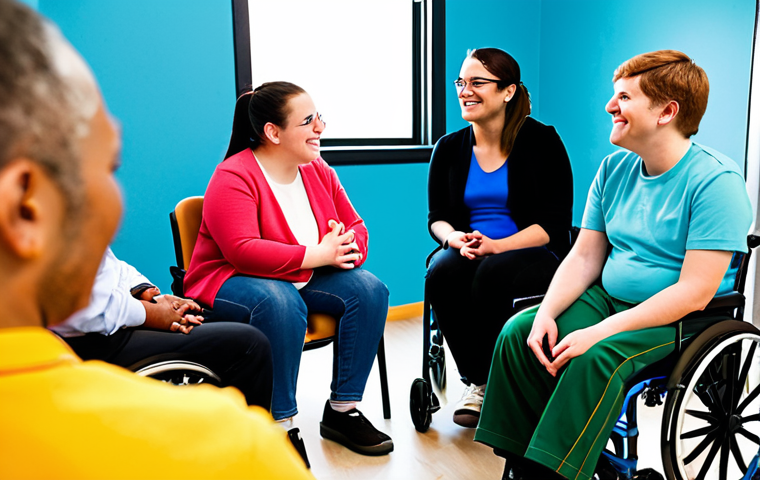
Disability rehabilitation counselors (DRCs) are essential in empowering individuals with disabilities to achieve their personal and professional goals.
They offer comprehensive support, including assessment, counseling, training, and advocacy, tailored to each individual’s unique needs and circumstances.
Their work goes beyond simply finding a job; it’s about fostering independence, self-esteem, and a sense of belonging in the community.
The Breadth of Services Offered by DRCs
DRCs provide a wide range of services tailored to individual needs. This may include vocational assessments to identify strengths and interests, counseling to address emotional and psychological barriers, job readiness training, and assistance with job placement and retention.
They also help clients access assistive technology and other resources that can enhance their independence.
Navigating the Complexities of Disability Support
DRCs act as navigators, guiding individuals through the often-complex landscape of disability support systems. They have in-depth knowledge of available resources, eligibility requirements, and application processes.
This expertise is invaluable in ensuring that clients receive the benefits and services they are entitled to.
Accessing Vocational Rehabilitation Services: A Gateway to Independence
Vocational rehabilitation (VR) services are designed to help individuals with disabilities prepare for, obtain, and maintain employment. These services are typically provided by state agencies and offer a wide range of support, from career counseling and job training to assistive technology and job placement assistance.
Eligibility Criteria and Application Process
To be eligible for VR services, individuals must have a physical or mental disability that creates a substantial impediment to employment. The application process typically involves submitting documentation of the disability, undergoing an assessment to determine eligibility and needs, and developing an individualized plan for employment (IPE).
Key Components of an Individualized Plan for Employment (IPE)
The IPE is a personalized roadmap that outlines the individual’s employment goals, the services needed to achieve those goals, and the responsibilities of both the individual and the VR agency.
It is a collaborative document that is developed with the individual’s input and preferences in mind.
Exploring Assistive Technology: Leveling the Playing Field
Assistive technology (AT) refers to any device or system that helps individuals with disabilities perform tasks that would otherwise be difficult or impossible.
From screen readers and speech-to-text software to mobility aids and environmental controls, AT can significantly enhance independence and quality of life.
Types of Assistive Technology and Their Applications
AT encompasses a wide range of tools and devices. For example, screen readers convert text to speech for individuals with visual impairments, while speech-to-text software allows individuals with mobility impairments to control computers and other devices with their voice.
Mobility aids, such as wheelchairs and walkers, provide support for individuals with physical disabilities.
Funding and Resources for Assistive Technology
Funding for AT can come from a variety of sources, including VR agencies, disability organizations, and private insurance. Many states also have AT resource centers that provide information, demonstrations, and training on AT devices.
The Importance of Mental Health Support in Rehabilitation
Mental health is an integral part of overall well-being and can significantly impact an individual’s ability to participate in rehabilitation services and achieve their goals.
Addressing mental health concerns, such as anxiety, depression, and PTSD, is essential for successful rehabilitation outcomes.
Mental Health Services Available for Individuals with Disabilities
Mental health services for individuals with disabilities may include individual or group therapy, medication management, and peer support groups. These services can help individuals cope with the emotional and psychological challenges associated with disability and develop strategies for managing their mental health.
Integrating Mental Health Support into Rehabilitation Plans
DRCs should work collaboratively with mental health professionals to integrate mental health support into rehabilitation plans. This may involve referring clients to mental health services, coordinating care between providers, and providing ongoing support and encouragement.
Building a Supportive Community: The Role of Peer Support and Advocacy
Peer support and advocacy play a vital role in empowering individuals with disabilities and promoting inclusion. Connecting with others who share similar experiences can provide a sense of belonging, reduce isolation, and offer valuable insights and support.
The Benefits of Peer Support Networks

Peer support networks provide a safe and supportive environment where individuals with disabilities can share their experiences, learn from each other, and build friendships.
These networks can also serve as a platform for advocacy and social change. I remember when I first joined a peer support group after my accident, it was incredibly comforting to connect with people who understood what I was going through.
Sharing stories and advice made me feel less alone and gave me the strength to keep moving forward.
Advocacy and Self-Advocacy Skills
Advocacy involves speaking up for oneself and others to promote the rights and interests of individuals with disabilities. Self-advocacy skills, such as assertiveness and communication, are essential for navigating the system and ensuring that one’s needs are met.
Understanding Your Rights: The Americans with Disabilities Act (ADA)
The Americans with Disabilities Act (ADA) is a landmark civil rights law that prohibits discrimination against individuals with disabilities in employment, public accommodations, transportation, and telecommunications.
Understanding your rights under the ADA is essential for ensuring equal opportunities and access.
Key Provisions of the ADA
The ADA requires employers to provide reasonable accommodations to qualified individuals with disabilities, unless doing so would cause undue hardship.
It also requires public accommodations, such as restaurants, stores, and theaters, to be accessible to individuals with disabilities. Public transportation systems must also be accessible.
Filing a Complaint under the ADA
If you believe you have been discriminated against in violation of the ADA, you have the right to file a complaint with the Equal Employment Opportunity Commission (EEOC) or the Department of Justice (DOJ).
The EEOC investigates employment discrimination complaints, while the DOJ investigates complaints related to public accommodations and transportation.
Financial Assistance Programs for People with Disabilities
Navigating the financial landscape can be particularly challenging for individuals with disabilities. Understanding available financial assistance programs can provide crucial support for housing, healthcare, and other essential needs.
Social Security Disability Insurance (SSDI)
SSDI provides benefits to individuals who have worked and paid Social Security taxes and who are unable to work due to a disability. The amount of the benefit is based on the individual’s earnings history.
Supplemental Security Income (SSI)
SSI provides benefits to individuals with disabilities who have limited income and resources. Unlike SSDI, SSI is not based on work history.
State-Specific Programs and Resources
In addition to federal programs, many states offer their own financial assistance programs for individuals with disabilities. These programs may include cash assistance, housing assistance, and healthcare assistance.
Here’s a table summarizing key financial assistance programs:
| Program | Description | Eligibility |
|---|---|---|
| Social Security Disability Insurance (SSDI) | Provides benefits to individuals who have worked and paid Social Security taxes and are unable to work due to a disability. | Work history and disability |
| Supplemental Security Income (SSI) | Provides benefits to individuals with disabilities who have limited income and resources. | Limited income and resources, and disability |
| State-Specific Programs | Various programs offering cash, housing, and healthcare assistance. | Varies by state and program |
Disability rehabilitation counselors play a pivotal role in helping individuals with disabilities lead fulfilling and independent lives. By providing comprehensive support, advocacy, and guidance, they empower their clients to overcome barriers and achieve their goals.
Whether it’s navigating the complexities of the disability support system, exploring assistive technology options, or accessing mental health services, DRCs are essential partners in the journey towards independence and inclusion.
Disability rehabilitation counselors are unsung heroes in our society, helping people navigate challenges and achieve their full potential. They truly see the person beyond the disability.
I’ve witnessed firsthand the transformative impact these professionals have on countless lives. It’s not just about getting a job; it’s about reclaiming a sense of purpose and belonging.
Their guidance is a beacon of hope, illuminating a path towards a brighter, more inclusive future for everyone.
In Conclusion
The journey toward independence and fulfilling employment for individuals with disabilities is often complex, but it’s one filled with potential. Disability rehabilitation counselors are the dedicated navigators on this path, providing invaluable support, resources, and advocacy. Remember, you’re not alone. With the right guidance and a supportive community, achieving your goals is within reach.
By understanding the vital role of disability rehabilitation counselors and the resources available, individuals with disabilities can confidently pursue their goals and lead fulfilling, independent lives. It’s about empowerment, inclusion, and a belief in the potential of every individual.
Useful Tips to Know
1. Explore Local Resources: Contact your state’s vocational rehabilitation agency to learn about available programs and services. Each state has unique offerings tailored to its residents.
2. Network with Peer Support Groups: Joining a local peer support group can provide invaluable emotional support and practical advice. Share experiences, build friendships, and learn from others who understand what you’re going through.
3. Advocate for Yourself: Don’t be afraid to speak up for your needs and rights. Learning self-advocacy skills will empower you to navigate the system and ensure you receive the support you deserve.
4. Leverage Assistive Technology: Explore the wide range of assistive technology available to enhance your independence and productivity. From screen readers to mobility aids, the right technology can make a significant difference.
5. Understand Your Rights Under the ADA: Familiarize yourself with the Americans with Disabilities Act (ADA) to ensure you are treated fairly and have equal opportunities in employment, public accommodations, and other areas of life.
Key Takeaways
* Disability rehabilitation counselors offer tailored support to individuals with disabilities, fostering independence and community belonging.
* Vocational rehabilitation services provide comprehensive assistance in preparing for, obtaining, and maintaining employment.
* Assistive technology plays a crucial role in leveling the playing field and enhancing independence for individuals with disabilities.
* Mental health support is essential for overall well-being and successful rehabilitation outcomes.
* Peer support networks and advocacy empower individuals with disabilities and promote inclusion.
Frequently Asked Questions (FAQ) 📖
Q: What exactly does a disability rehabilitation counselor do, and is it just about finding people jobs?
A: Okay, so I’ve actually volunteered at a center where I saw these counselors in action, and it’s way more than just job placement. Sure, vocational training and helping people find employment is a huge part, but it’s really about the whole person.
They assess a person’s abilities, interests, and challenges, then help them set realistic goals. It’s like being a life coach, but specifically tailored to navigating life with a disability.
They connect people with everything from assistive technology, like specialized software or adaptive equipment for their homes, to independent living skills training.
I saw one counselor help a young woman learn to use public transportation for the first time after an accident, which was incredibly moving. It’s about empowering independence in all areas of life.
Q: What kind of support systems are typically available to people with disabilities, and how do rehabilitation counselors help access them?
A: Honestly, navigating the support systems can feel like wading through alphabet soup. There’s everything from government programs like Social Security Disability Insurance (SSDI) and Supplemental Security Income (SSI) to state vocational rehabilitation services.
Plus, you’ve got non-profits that offer everything from housing assistance to peer support groups. I remember reading about a local organization that provides free legal assistance to people with disabilities facing discrimination.
Rehabilitation counselors are the key to untangling that mess. They know which programs are available, eligibility requirements, and how to apply. They’re like professional navigators, helping individuals access the specific resources they need to thrive.
My aunt actually used one after her stroke, and she said it was a lifesaver – she didn’t know where to even begin!
Q: How do I know if I need a disability rehabilitation counselor, and what’s the first step in finding one?
A: If you’re facing challenges in any area of your life due to a disability, whether it’s finding a job, accessing education, or simply living more independently, a rehabilitation counselor could be a huge help.
The first step is usually to contact your state’s vocational rehabilitation agency. They’re usually pretty easy to find with a quick Google search like “[your state] vocational rehabilitation”.
They can assess your needs and connect you with a counselor who specializes in your specific situation. Also, don’t hesitate to ask friends, family, or disability advocacy groups for referrals.
Word-of-mouth can be really valuable. For example, I have a friend who found her counselor through a local support group for people with multiple sclerosis, and she’s been incredibly happy with the support she’s received.
So, explore your options!
📚 References
Wikipedia Encyclopedia