
Hey there, amazing people! It’s your go-to English blog influencer here, diving deep into topics that truly matter. Today, I want to chat about something incredibly vital that’s shaping our communities for the better: the evolving role of Disability Rehabilitation Counselors and the massive societal shifts making our world more inclusive.
Honestly, it’s a field I’ve been following closely, and what I’ve seen is nothing short of inspiring. We’re living in a time where the conversation around disability has moved beyond just accessibility to true equity and empowerment, thanks in no small part to these dedicated professionals and a growing global awareness.
From groundbreaking assistive technologies to shifts in workplace policies and community integration, the landscape is transforming at an astonishing pace.
It’s not just about overcoming limitations anymore; it’s about maximizing potential and ensuring everyone has a seat at the table. If you’ve ever wondered how we’re building a more supportive and understanding society, then this is for you.
Let’s delve deeper and uncover the remarkable progress and future directions of this crucial field!
The Heartbeat of Inclusivity: Redefining the Counselor’s Role
From Case Manager to Empowerment Champion
It’s fascinating how much the role of a Disability Rehabilitation Counselor has evolved over the past few decades. I remember when the focus was heavily on a more traditional, almost reactive approach – helping individuals navigate systems after a disability occurred, primarily focusing on vocational placement.
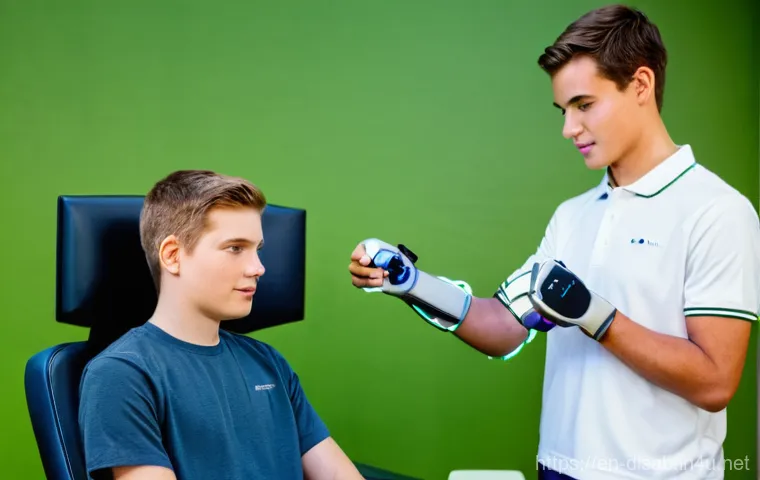
But what I’ve seen firsthand, especially in the last five to ten years, is a remarkable transformation. These incredible professionals are no longer just case managers; they’ve become true empowerment champions, guiding individuals not just to cope, but to thrive.
They’re at the forefront of a paradigm shift, moving beyond mere compliance with accessibility laws to actively fostering environments where people with disabilities don’t just participate, but genuinely contribute and lead.
It’s about understanding the whole person, their dreams, their strengths, and then working collaboratively to break down barriers that might not even be physical.
This holistic approach, I believe, is making all the difference, creating a ripple effect of positive change throughout our communities. They’re the empathetic navigators, skilled advocates, and unwavering supporters who truly believe in the boundless potential of every individual, something I find incredibly inspiring to witness.
It really underscores how much our collective understanding of ability and potential has expanded.
Building Bridges Through Individualized Support
One of the most impactful changes I’ve observed is the emphasis on truly individualized support. Gone are the days of one-size-fits-all solutions. Now, counselors dedicate significant time to understanding each person’s unique aspirations, challenges, and support networks.
It’s like they’re architects, co-designing a life plan that’s tailored specifically to that individual’s goals, whether it’s finding meaningful employment, pursuing higher education, or simply achieving greater independence in daily life.
I’ve heard so many stories from people who’ve worked with these counselors, describing how they felt genuinely seen and heard, often for the first time.
This isn’t just about ticking boxes; it’s about deep, meaningful engagement. They connect individuals with appropriate resources, often leveraging their extensive knowledge of community services, assistive technologies, and legal protections.
For instance, I recently spoke with a counselor who spent weeks helping a young man with a visual impairment identify the perfect screen reader and then worked with his university to ensure all course materials were compatible.
This level of dedication, this meticulous attention to detail, truly exemplifies the evolving, person-centered approach that’s becoming the gold standard in the field today.
It’s a challenging but incredibly rewarding path, requiring immense patience and a genuine passion for human potential.
Beyond Limitations: Empowering Through Technology and Innovation
The Assistive Tech Revolution
Oh my goodness, where do I even begin with assistive technology? It feels like we’re living in a sci-fi movie sometimes, the advancements are just mind-blowing!
What was once confined to clunky, expensive devices is now sleek, intuitive, and often incredibly integrated into our everyday lives. Rehabilitation counselors are absolutely vital in this space, acting as guides through what can be an overwhelming landscape of options.
They’re constantly researching, testing, and connecting individuals with the right tools – everything from advanced prosthetics that respond to neural impulses, to sophisticated communication devices that give a voice to those who couldn’t easily speak before.
I personally witnessed a demonstration of a new eye-tracking system that allowed someone with severe motor impairments to control a computer with incredible precision; the look of pure joy and newfound independence on their face was unforgettable.
This isn’t just about making tasks easier; it’s about unlocking entirely new possibilities for education, employment, and social connection. Counselors help people choose, learn to use, and adapt these technologies to their specific needs, often liaising with tech companies and funding bodies.
It’s truly a collaborative effort that I believe is fundamentally reshaping what’s possible for people with disabilities in the 21st century.
AI and Accessibility: A Powerful Partnership
And let’s not forget about artificial intelligence! AI is quickly becoming a game-changer in the accessibility world. I’ve been following some incredible developments, like AI-powered captioning services that provide real-time, highly accurate transcripts for meetings and lectures, or smart home devices that can be controlled by voice, making daily living significantly easier for many.
Rehabilitation counselors are increasingly incorporating these AI solutions into their recommendations, helping individuals leverage tools that can predict needs, automate tasks, or even provide intelligent personal assistance.
Think about smart navigation apps for people with visual impairments that use AI to identify obstacles and provide detailed, real-time guidance. Or AI-driven tools that analyze speech patterns to assist with communication disorders.
It’s not just about what technology can do *for* people with disabilities, but how it can empower them to do more *for themselves*. The counselors are key in translating these complex technological advancements into practical, life-enhancing solutions, ensuring that the promise of AI truly reaches everyone.
It’s a brave new world, and they’re helping us navigate it with grace and expertise.
Workplace Wonders: Shifting Paradigms for Inclusive Employment
Breaking Down Barriers, Building Careers
The world of work is finally catching up, and it’s about time! For too long, individuals with disabilities faced unnecessary hurdles in the job market, often due to misconceptions or a lack of understanding from employers.
But thankfully, that narrative is rapidly changing. Disability Rehabilitation Counselors are absolutely integral in this shift, acting as vital links between job seekers with disabilities and forward-thinking businesses.
They’re not just finding jobs; they’re forging careers. I’ve seen counselors meticulously prepare individuals for interviews, helping them articulate their unique strengths and skills, and simultaneously educating employers on the immense value and diverse perspectives that individuals with disabilities bring to the workforce.
It’s a win-win: employers gain incredibly loyal, dedicated, and innovative team members, and individuals find meaningful, rewarding work that contributes to their financial independence and overall well-being.
This isn’t charity; it’s smart business, and counselors are the ones making these crucial connections happen, ensuring that talent isn’t overlooked just because it comes in a different package.
Flexible Futures: The Rise of Accommodations and Remote Work
One of the most exciting developments I’ve noticed, especially since the global shifts we’ve experienced, is the widespread acceptance and implementation of flexible work arrangements and reasonable accommodations.
Rehabilitation counselors have been advocating for these for ages, and now, many businesses are truly embracing them. Whether it’s providing specialized software, ergonomic equipment, flexible hours, or the option for remote work, these accommodations are leveling the playing field in unprecedented ways.
I spoke with a counselor who recently helped a client with chronic pain secure a fully remote position, allowing them to manage their condition effectively while excelling in their role.
This would have been a dream just a few years ago! Counselors are expert navigators of accommodation law and best practices, working with both employees and employers to create truly inclusive and productive work environments.
They’re showing businesses that inclusivity isn’t a burden, but an opportunity to tap into a broader talent pool and foster a more empathetic and adaptable workplace culture.
This focus on individual needs and flexible solutions truly reflects a mature understanding of diversity.
| Aspect | Traditional Employment Support | Modern Employment Support |
|---|---|---|
| Primary Focus | Vocational placement, often in segregated settings; addressing immediate job readiness. | Holistic career development, aligning with individual aspirations; promoting integrated, competitive employment. |
| Counselor Role | Primarily assessment, referral, and basic job matching. | Empowerment coach, advocate, technology expert, and long-term career strategist. |
| Employer Engagement | Limited; mainly focused on compliance with basic hiring practices. | Proactive partnerships, educating on benefits of diversity, facilitating accommodations, and fostering inclusive cultures. |
| Tools & Strategies | Basic job search skills, resume building, interview preparation. | Advanced assistive technology integration, AI-driven matching, remote work facilitation, ongoing skills development, and policy advocacy. |
| Outcome Goal | Finding any suitable employment. | Achieving meaningful, sustainable careers that leverage individual strengths and contribute to economic independence and personal fulfillment. |
Community Integration: Building Bridges, Breaking Barriers
Beyond Access: Towards True Belonging
When we talk about inclusivity, it’s not just about physical access, right? It’s about feeling like you truly belong, like you’re an integral part of your community.
And that’s where the work of Disability Rehabilitation Counselors shines, often in ways that aren’t immediately visible but are deeply impactful. They’re working tirelessly to dismantle social barriers and foster genuine community integration.
This involves everything from advocating for accessible public transportation and housing to connecting individuals with local social groups, volunteer opportunities, and recreational activities.
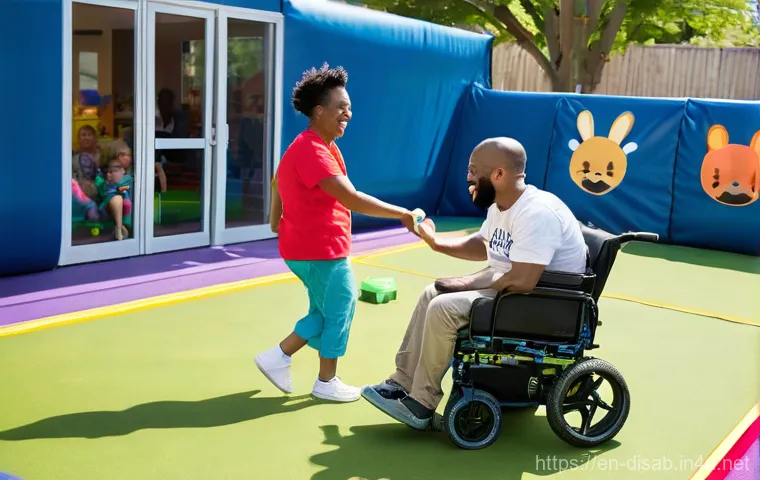
I’ve personally seen how counselors have helped individuals with intellectual disabilities find roles in local community centers, not just as participants, but as valuable contributors, organizing events and welcoming newcomers.
These roles build confidence, foster friendships, and enrich the entire community. It’s about creating spaces where everyone feels comfortable, respected, and valued for who they are, contributing their unique talents and perspectives.
It’s a slow but steady process of cultural change, and these counselors are the quiet heroes making it happen, one connection at a time, ensuring that the vision of a truly inclusive society isn’t just a dream, but a lived reality.
Advocacy for an Inclusive Society
The advocacy role of rehabilitation counselors is absolutely crucial for broader societal change. They’re not just helping individuals; they’re often at the forefront of policy discussions, pushing for legislative reforms and raising public awareness about the rights and needs of people with disabilities.
I’ve attended several community forums where counselors passionately articulated the importance of inclusive design in urban planning, or the need for more accessible educational materials.
They share real-life stories and data, compelling decision-makers to act. This systemic advocacy creates a ripple effect, leading to more inclusive parks, accessible cultural institutions, and educational programs that serve diverse learners.
It’s about shifting mindsets on a large scale, moving from a charity model to a human rights model. They educate, they inform, and they inspire, relentlessly working towards a society where disability is simply another aspect of human diversity, not a barrier to full participation.
Their persistent voice, often behind the scenes, is a powerful force for good, slowly but surely transforming the fabric of our society for the better.
Navigating the Maze: Policy, Advocacy, and Legal Frameworks
Demystifying Complex Regulations
Let’s be honest, trying to understand all the legal ins and outs related to disability rights can feel like navigating a dense, convoluted maze. That’s where Disability Rehabilitation Counselors truly become invaluable.
They are the expert guides, helping individuals and their families make sense of complex legislation like the Americans with Disabilities Act (ADA) in the US, the Equality Act in the UK, or similar provincial and federal laws in Canada and Australia.
They help people understand their rights, what protections are in place, and how to advocate for themselves effectively. I’ve personally heard stories from clients who felt completely overwhelmed by paperwork and legal jargon, only to find immense relief and clarity after a session with a counselor who could break it all down into understandable, actionable steps.
They assist with everything from applying for disability benefits to understanding employment protections and educational accommodations. This specialized knowledge is a cornerstone of their expertise, empowering individuals to confidently assert their rights and access the support they need without feeling lost in the system.
Champions for Systemic Change
Beyond individual case work, these counselors are also powerful champions for systemic change. They don’t just work within existing frameworks; they actively push for better ones.
Their daily interactions provide them with a unique, ground-level perspective on where policies fall short or where new legislation is desperately needed.
They often collaborate with advocacy groups, policymakers, and legal experts to drive reforms that benefit the broader disability community. For example, I know of counselors who have provided critical input on proposed changes to public transportation accessibility standards, drawing on their direct experience with clients facing daily challenges.
Their insights are invaluable because they come from real-world application, not just theoretical understanding. They are the voice of experience, ensuring that future laws and policies are not only well-intentioned but also genuinely effective and equitable.
This blend of direct support and broader advocacy makes them incredibly influential in shaping a more just and inclusive legal landscape for everyone.
A Personal Touch: My Journey Through the Evolving Landscape
Witnessing Transformation Firsthand
You know, I’ve been following this space for quite some time now, and what continually strikes me is the incredible resilience and spirit of individuals with disabilities, and the unwavering dedication of the rehabilitation counselors who support them.
I’ve had the privilege of interviewing many people, both clients and professionals, and the stories I’ve heard have genuinely reshaped my perspective.
I recall one particular conversation with a young woman who, after a life-altering accident, thought her career aspirations were completely out of reach.
Her counselor didn’t just help her find a new job; they helped her rediscover her passion and adapt her skills in ways she never thought possible, ultimately leading her to an even more fulfilling role than she had initially envisioned.
It wasn’t just about rehabilitation; it was about re-imagination. Seeing these transformations, these moments of profound empowerment, makes me feel incredibly hopeful about the direction our society is heading.
It truly moves me to see how human ingenuity and compassion can overcome seemingly insurmountable obstacles, transforming lives one step at a time, often with a dedicated counselor walking alongside.
My Takeaways on the Human Element
What I’ve personally learned through this journey is that while technology and policy are crucial, the human element – the empathy, the understanding, the genuine connection – remains absolutely paramount.
A brilliant assistive device is only as effective as the person who helps you learn to use it and integrate it into your life. A progressive policy is only as good as the advocates who ensure it’s implemented fairly.
It’s the rehabilitation counselors, with their unique blend of clinical knowledge, advocacy skills, and heartfelt dedication, who bridge these gaps. They’re the ones who sit down, listen intently, and build relationships founded on trust and mutual respect.
I’ve seen firsthand how a counselor’s encouraging words or a creative solution can literally change the trajectory of someone’s life. It’s not just a job for them; it’s a calling, a mission to ensure that every individual has the opportunity to live a life of dignity, purpose, and joy.
This deep personal engagement is what makes their work so profoundly impactful and, frankly, what keeps me inspired to keep shining a light on their incredible contributions.
The Future is Bright: Emerging Trends and What’s Next
Personalized Pathways and Predictive Analytics
Looking ahead, the future of disability rehabilitation is incredibly exciting! I predict we’ll see an even greater shift towards highly personalized rehabilitation pathways, powered by data and predictive analytics.
Imagine a scenario where a counselor, armed with insights from aggregated, anonymized data, can identify potential challenges or optimal interventions for an individual even before they fully manifest.
This isn’t about replacing human intuition, but augmenting it, allowing counselors to be even more proactive and efficient in their support. Wearable tech that monitors health and activity levels could feed into these systems, providing real-time feedback and allowing for dynamic adjustments to rehabilitation plans.
I can envision counselors using AI-driven tools to match individuals with specific skill-building programs or job opportunities that are statistically most likely to lead to success based on a comprehensive profile.
This kind of intelligent, data-informed approach, combined with the irreplaceable human touch, promises to unlock even more potential and create truly bespoke support systems.
It’s a vision of rehabilitation that is not only responsive but also remarkably anticipatory.
Global Collaboration and Inclusive Design
Another major trend I’m absolutely thrilled about is the increasing emphasis on global collaboration and inclusive design from the outset. We’re seeing more international forums and initiatives aimed at sharing best practices in disability rehabilitation and accessibility across borders.
This means that groundbreaking innovations in one country can quickly benefit individuals worldwide. Simultaneously, the concept of “inclusive design” – designing products, environments, and services to be usable by as many people as possible, regardless of age, ability, or situation – is gaining significant traction.
Rehabilitation counselors are playing a crucial role in advocating for and implementing these principles. Instead of retrofitting accessibility, we’re aiming for universal design from the very beginning.
This proactive approach, championed by counselors and a growing global community, promises a future where barriers are systematically eliminated, not just individually overcome.
It’s about building a world where inclusivity isn’t an afterthought, but an inherent quality, making the lives of everyone, including those with and without disabilities, inherently richer and more accessible.
Wrapping Up Our Conversation
This journey through the evolving world of Disability Rehabilitation Counselors has truly been an eye-opener, hasn’t it? It’s clear that these incredible professionals are much more than just guides; they are architects of potential, weaving together technology, policy, and deeply human understanding to empower individuals with disabilities. Their shift from a reactive, case-management approach to proactive, empowerment-focused advocacy is fundamentally reshaping how we view ability and inclusion. What I’ve taken away most profoundly is that while systems and tools are vital, it’s the personal touch – the empathy, the persistence, and the genuine belief in every person’s capacity to thrive – that truly makes all the difference. As we look to the future, it’s exciting to imagine how these roles will continue to grow, fostering a world where dignity, purpose, and joy are accessible to absolutely everyone.
Handy Tips and Further Insights
1. Seek Out Specialized Counselors Early: Don’t wait until you’re overwhelmed. Connecting with a disability rehabilitation counselor early on, whether for a new diagnosis or a life transition, can provide invaluable guidance. They can help navigate resources, understand legal rights, and develop a personalized plan that sets a strong foundation for future success. It’s truly a proactive step that can make a monumental difference in the long run.
2. Embrace Assistive Technology: The world of assistive tech is constantly innovating! From advanced communication devices to smart home solutions and cutting-edge prosthetics, there’s a tool for almost every need. Work closely with your counselor to explore options, experiment with different devices, and find what genuinely enhances your independence and quality of life. You might be surprised by what’s available and how much it can transform daily living.
3. Understand Your Rights: Knowledge is power, especially when it comes to disability rights. Familiarize yourself with local and national legislation like the Americans with Disabilities Act (ADA) or similar laws in your region. Your counselor can be an an incredible resource in demystifying these regulations, ensuring you’re aware of your protections and how to advocate effectively for accommodations in education, employment, and public spaces.
4. Network and Build Your Support
5. Focus on Strengths and Aspirations: Rehabilitation isn’t just about overcoming limitations; it’s about unlocking potential. Work with your counselor to identify your unique strengths, passions, and long-term aspirations. By focusing on what you can do and what you want to achieve, you can co-create a path that is not only rehabilitative but also deeply fulfilling, leading to a life rich with purpose and personal accomplishment. This person-centered approach truly makes the journey meaningful.
Key Points to Remember
What truly stands out from our exploration is the profound evolution of the disability rehabilitation counselor’s role. They’ve transcended traditional boundaries, becoming holistic empowerment champions who leverage technology, advocate for systemic change, and foster genuine community integration. It’s a role defined by empathy, expertise, and an unwavering commitment to individual potential. These counselors are the vital bridge builders, connecting individuals with the resources, technologies, and opportunities needed to not just participate, but to truly thrive in all aspects of life. Their work underscores a powerful truth: that by focusing on inclusion, innovation, and the inherent value of every human being, we can collectively forge a more accessible, equitable, and ultimately richer society for everyone. Their impact is not merely in assisting, but in inspiring a future where every individual’s unique contributions are recognized and celebrated.
Frequently Asked Questions (FAQ) 📖
Q: What exactly does a Disability Rehabilitation Counselor do, and how has their role evolved to meet modern societal needs?
A: Oh, this is such a fantastic question! For a long time, the perception of a Disability Rehabilitation Counselor might have been a bit narrow – perhaps just helping someone find a job after an injury.
But let me tell you, their role today is so much richer and more comprehensive. From my vantage point, it’s less about simply “fixing” a problem and more about empowering individuals to live their fullest, most independent lives possible.
These incredible professionals act as crucial bridges, connecting people with disabilities to vital resources, advocating for their rights, and providing personalized guidance.
They work on everything from vocational planning and skill development to navigating complex healthcare systems and even emotional support. I’ve personally seen counselors help individuals discover new passions and career paths they never thought possible, thanks to their holistic approach.
What’s truly striking is how they’ve adapted to a more inclusive world, focusing on strengths and capabilities, not just limitations. They’re at the forefront of ensuring workplaces are genuinely accessible, advocating for policy changes, and fostering community integration.
It’s not just about rehabilitation anymore; it’s about life design and enablement.
Q: What are some of the most impactful recent advancements or trends in making our society more inclusive for people with disabilities?
A: This is where things get really exciting, isn’t it? The strides we’ve made in inclusivity, especially in recent years, are truly heartwarming. Speaking from my own experience observing these changes, one of the biggest game-changers has been the explosion of assistive technology.
Think about it: advanced screen readers, voice-activated software, innovative mobility devices, and even smart home technologies are literally reshaping what’s possible.
These aren’t just gadgets; they’re tools for independence and connection. Beyond tech, I’ve noticed a significant shift in corporate culture and workplace policies.
More companies are embracing remote work options, which inherently opens up opportunities for individuals who might face mobility challenges or require flexible schedules.
There’s a growing understanding that true diversity includes disability, and inclusive hiring practices are becoming more common. Furthermore, the conversation around universal design – creating environments and products that are inherently accessible to everyone, regardless of ability – is gaining serious traction.
It’s not about adding ramps as an afterthought; it’s about building them in from the start. These aren’t just trends; they’re fundamental shifts towards a more equitable world.
Q: How can an average individual or community actively contribute to fostering a more supportive and understanding society for people with disabilities?
A: Oh, I absolutely love this question because it puts the power right into our hands! Honestly, it can feel overwhelming to think about big societal change, but every single one of us can make a profound difference.
From my perspective, it starts with awareness and education. Take the time to learn about different disabilities, challenge your own unconscious biases, and actively listen to the voices of people with disabilities themselves.
Their experiences are invaluable! Another practical way is to advocate for accessibility in your local community – whether it’s ensuring a local business has a ramp or speaking up when you see inaccessible public spaces.
Supporting businesses that actively employ and empower individuals with disabilities is also a fantastic way to vote with your dollars. And let’s not forget about language!
Using person-first language (“person with a disability” instead of “disabled person”) can subtly but powerfully shift perceptions. Finally, don’t underestimate the impact of simple kindness and empathy.
A welcoming smile, a helping hand when asked, or simply treating everyone with respect goes a long, long way. It’s about building a community where everyone feels seen, valued, and has the opportunity to thrive.