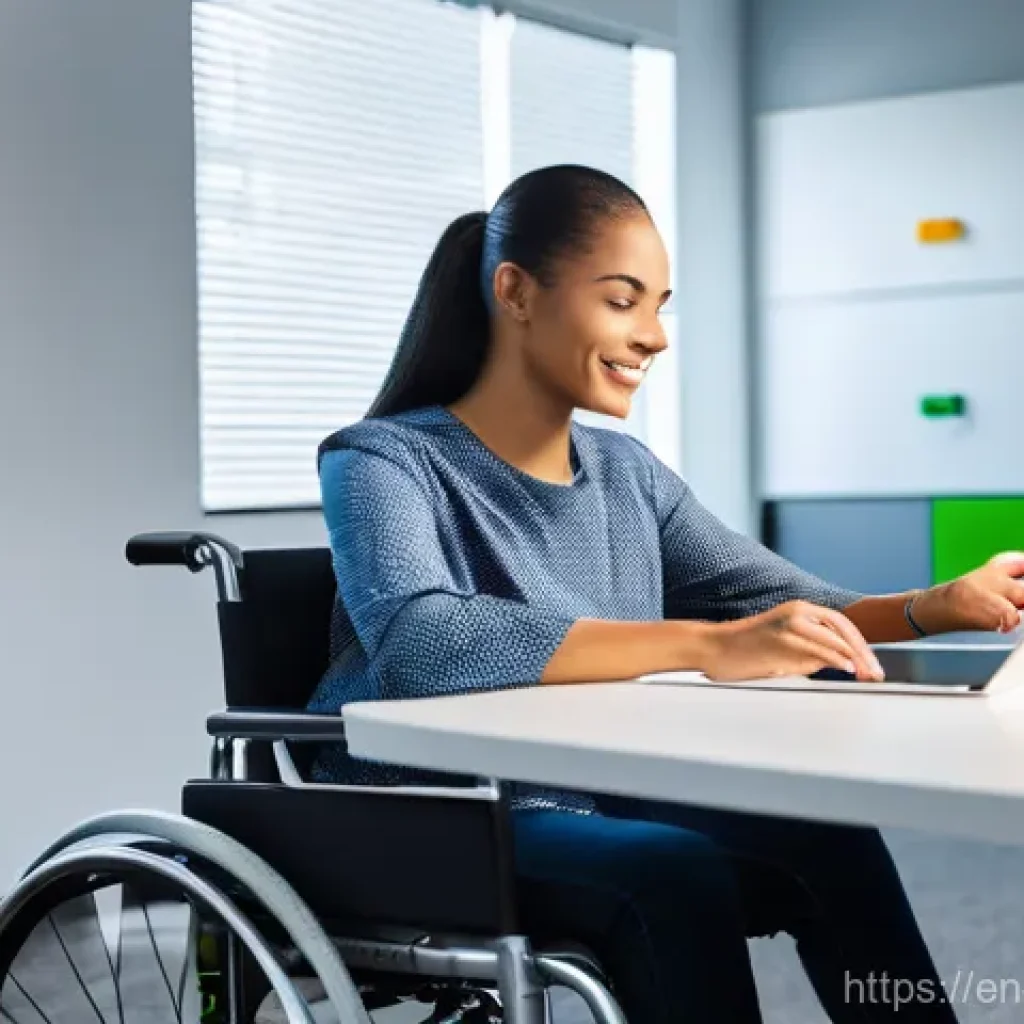
Hey everyone! Have you ever felt overwhelmed trying to navigate the complex world of disability support? I’ve been there, and I know firsthand how challenging it can be to find the right resources and truly feel understood.
That’s why building a robust network of disability rehabilitation counselors isn’t just helpful – it’s absolutely essential. We’re talking about more than just finding an expert; it’s about unlocking a whole ecosystem of support, from innovative therapies to cutting-edge assistive technology, and even opportunities for community integration that are often hidden in plain sight.
In today’s rapidly changing landscape, where telehealth and personalized care are becoming the norm, knowing how to tap into these professional connections can literally transform someone’s journey toward greater independence and well-being.
It’s about empowering yourself or your loved one with the best possible guidance available. Ready to discover how to create your own powerful network and access these invaluable resources?
Let’s dive in and find out exactly how to do it!
Understanding the True Value of Rehabilitation Counselors
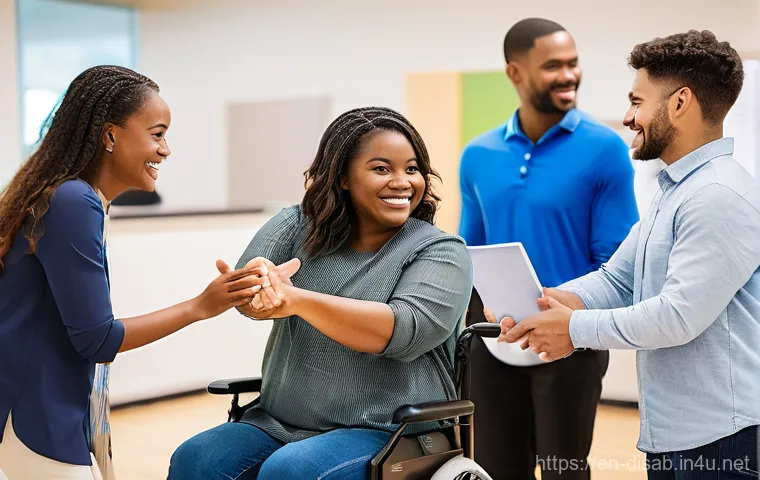
When I first started navigating the world of disability support, I honestly thought a rehabilitation counselor was just another box to check. Boy, was I wrong!
I quickly realized they’re not just experts in paperwork; they’re genuine navigators, helping individuals like us chart a course through what often feels like an uncharted ocean.
Think of them as your personal guide, someone who truly understands the landscape of available services, employment opportunities, and even the emotional rollercoaster that can come with a disability.
They’ve seen it all, and their insights can save you so much time and heartache. What I’ve personally found most valuable is their ability to connect the dots between your unique needs and the resources out there.
It’s like they have this secret map to success, pointing you towards vocational training programs that truly align with your strengths, or assistive technologies you didn’t even know existed that could totally change your daily life.
They become your advocate, your sounding board, and often, your biggest cheerleader. Their perspective is invaluable, offering not just practical advice but also crucial emotional support when things feel tough.
From my own experience, having someone who truly “gets it” and can offer seasoned advice makes all the difference in feeling empowered rather than overwhelmed.
It’s about moving from simply coping to genuinely thriving.
More Than Just a Résumé: Their Diverse Skillset
It’s easy to pigeonhole rehabilitation counselors, but trust me, their skillset goes way beyond what you might imagine. They’re part career coach, part therapist, part resource wizard, and part cheerleader, all rolled into one.
I remember feeling so lost about what kind of job I could even pursue after my accident, and my counselor didn’t just hand me a list of options; they helped me rediscover my passions and strengths, then aligned them with realistic career paths.
They’re trained in vocational assessment, psychological counseling, and even case management, meaning they can address a holistic range of needs. It’s not just about finding a job; it’s about finding *meaningful* engagement and independence.
Deciphering the Labyrinth: Navigating Benefits and Rights
Honestly, understanding disability benefits, legal rights, and workplace accommodations can feel like trying to solve a Rubik’s Cube blindfolded. It’s incredibly complex, and mistakes can be costly.
This is where a great rehabilitation counselor shines. They’re usually well-versed in local and federal regulations like the Americans with Disabilities Act (ADA) in the U.S.
or similar legislation in other countries. From my personal journey, having someone explain the nuances of Social Security Disability Insurance (SSDI) versus Supplemental Security Income (SSI), or how to request reasonable accommodations at work, was a game-changer.
They ensure you’re not leaving any benefits on the table and that your rights are fully protected.
Forging Powerful Alliances: The Art of Building Your Network
Building a network might sound like something for corporate types, but when it comes to disability support, it’s absolutely foundational. I used to think I could tackle everything on my own, but that mindset only led to frustration and burnout.
The moment I started actively connecting with other professionals – therapists, doctors, social workers, and other rehabilitation counselors – was the moment things really began to click.
It wasn’t about collecting business cards; it was about fostering genuine relationships where information and support could flow freely. Imagine a team of experts all subtly working together to help you.
That’s the power of a strong network. It means when you have a question about a new therapy, your counselor might know a physical therapist who specializes in it.
Or if you’re struggling with housing, they might have a connection to an accessible housing advocate. This interconnectedness truly opens doors that would otherwise remain closed.
It gives you multiple avenues for information and support, making your journey feel less isolating and much more efficient. The synergy is incredible, and I can tell you from experience, it makes a world of difference.
Where to Begin: Tapping into Local and Online Communities
So, how do you actually start building this network? It might feel daunting, but there are some fantastic starting points. Locally, I’ve found great success by attending disability resource fairs, joining support groups (both in-person and online!), and even reaching out to local non-profits focused on specific conditions.
Many of these organizations host events where you can meet professionals in a more relaxed setting. Online, platforms like LinkedIn can be surprisingly effective for connecting with rehabilitation counselors, occupational therapists, and specialists in your area.
I’ve personally messaged professionals I admired after reading their articles, and many were incredibly gracious with their time and advice. Don’t underestimate the power of a polite introductory email or message.
Cultivating Relationships: Beyond the Initial Contact
Making a connection is just the first step; nurturing it is where the magic happens. I learned that simply asking for help isn’t enough; you need to demonstrate that you value their expertise and time.
Following up with a quick thank you, sharing relevant articles you come across, or even offering to connect them with someone in your own modest network (if appropriate) can solidify the relationship.
It’s about reciprocity. I remember a time when I shared an article about a new assistive technology with my counselor, and she was genuinely grateful because it was an area she hadn’t deeply explored yet.
These small gestures build trust and transform a casual acquaintance into a valuable ally.
Embracing the Digital Revolution: Telehealth and Virtual Support
The world has changed so much, and honestly, for those of us navigating disability support, many of those changes have been a huge blessing. Telehealth and virtual services, for example, have absolutely revolutionized access to care.
I used to spend hours traveling to appointments, dealing with accessible transport, and wrestling with scheduling conflicts. Now, many of my consultations, including check-ins with my rehabilitation counselor, happen right from my living room.
This isn’t just about convenience; it’s about breaking down geographical barriers and making specialized support accessible to almost everyone, regardless of where they live.
It means someone in a rural area can connect with a highly specialized therapist who might be hundreds of miles away. It felt incredibly liberating to realize that quality care wasn’t restricted by how far I could travel or how complicated my schedule was.
This shift has democratized access in a way I never thought possible, allowing for more consistent and personalized support. It’s truly empowering to have that flexibility.
Virtual Consultations: Convenience Without Compromise
When I first tried a virtual consultation with my rehabilitation counselor, I was skeptical. Would it feel impersonal? Would the quality of advice suffer?
To my pleasant surprise, it was incredibly effective! We could share documents, discuss progress, and brainstorm strategies just as easily as in person, sometimes even better because we had immediate access to digital resources.
It cut down on my travel time and fatigue, allowing me to focus more energy on my rehabilitation goals. Plus, I felt more comfortable in my own environment, which often led to more open and honest discussions.
Online Resources and Communities: A Treasure Trove of Information
Beyond individual consultations, the internet is brimming with incredible resources. Forums, social media groups, and specialized websites dedicated to disability support have been invaluable for me.
I’ve found communities where people share their experiences with specific assistive devices, offer peer support for managing certain conditions, and even swap tips on navigating complex benefit systems.
It’s like a global support group available 24/7. Just be sure to vet your sources; I always lean towards reputable organizations or peer-reviewed information.
Beyond the Obvious: Exploring Innovative Therapies and Technology
When you’re building your network, you’re not just looking for standard therapy options; you’re also opening yourself up to a world of cutting-edge innovations in disability rehabilitation.
I’ve always been a bit of a tech enthusiast, so discovering how much assistive technology has evolved truly blew me away. It’s not just wheelchairs and hearing aids anymore; we’re talking about mind-controlled prosthetics, advanced communication devices, smart home systems designed for accessibility, and even virtual reality for therapy and training.
A good rehabilitation counselor, especially one connected to research institutions or specialized clinics, can introduce you to these groundbreaking solutions.
I distinctly remember my counselor telling me about a new gait training therapy involving robotics – something I would have never found on my own! It’s about more than just managing a disability; it’s about pushing the boundaries of what’s possible and enhancing quality of life in ways that felt like science fiction just a decade ago.
It truly feels like we’re in an exciting era where technological advancements are genuinely empowering individuals with disabilities.
Assistive Technology: Transforming Daily Life
The landscape of assistive technology (AT) is constantly evolving, offering incredible solutions for everyday challenges. From smart home devices that control lighting and temperature with voice commands, to advanced communication apps for non-verbal individuals, the possibilities are vast.
My counselor helped me navigate grant programs to afford an advanced speech-to-text software that absolutely changed my ability to work efficiently. These aren’t just gadgets; they are tools that restore independence, enhance communication, and foster greater participation in society.
Holistic Approaches: Integrating Alternative and Complementary Therapies
While traditional therapies are crucial, an effective network can also expose you to a broader spectrum of complementary and alternative therapies. Depending on your needs, this could range from adaptive sports and recreational therapy to mindfulness practices and art therapy.
I know someone who found immense benefit in equestrian therapy for improving balance and core strength, something their traditional physical therapy didn’t cover.
It’s about finding what resonates with you and contributes to your overall well-being. Always discuss these options with your medical team, of course!
Creating Your Personalized Support EcoSo, how do you actually put all of this into action? Building your personalized support ecosystem is less about grand gestures and more about consistent, deliberate steps. It’s a journey, not a sprint, and I’ve learned that patience and persistence are your best friends. The goal isn’t just to accumulate contacts; it’s to create a web of interconnected support that truly understands your unique aspirations and challenges. Think about it: when I first started, I was trying to find solutions for *everything* myself. It was exhausting. Now, I have a trusted circle – my counselor, my physical therapist, a peer mentor, and a local advocacy group – and when an issue pops up, I know exactly who to turn to. This distributed approach means you’re not reliant on just one person, and it ensures a more robust and resilient support system. It also means you get diverse perspectives, which often leads to more creative and effective solutions. The beauty of it is that this ecosystem evolves with you, adapting as your needs and goals change over time. It’s a truly empowering feeling to know you’re surrounded by people who genuinely care and have the expertise to help you thrive.
Step-by-Step: From Initial Outreach to Ongoing Engagement
Here’s a practical rundown of how I’ve built my own network:
- Identify Key Players: Start with your primary care doctor, any therapists you currently see, and existing support groups. Ask them for referrals to rehabilitation counselors or other specialists.
- Research and Connect: Use online directories (like those from national rehabilitation counseling associations) and social media platforms (LinkedIn) to find professionals. Don’t be afraid to send a polite, personalized message explaining your situation and interest.
- Attend Events: Local disability fairs, workshops, and online webinars are fantastic for meeting professionals and learning about new resources.
- Cultivate Relationships: Follow up after meetings, share relevant information, and express gratitude. Remember, it’s a two-way street.
- Stay Organized: Keep a simple spreadsheet or contact list with names, contact info, and notes on your interactions. This helps track who does what and when you last connected.
Overcoming Common Barriers: Navigating Challenges
I won’t lie, building this network isn’t always smooth sailing. I’ve certainly faced my share of “no responses” or felt unsure about how to approach someone. Common barriers can include finding counselors who specialize in your specific condition, dealing with insurance complexities, or simply feeling overwhelmed by the sheer volume of information. My advice? Don’t give up. If one door closes, try another. Leverage online communities for advice on local resources, and always remember to advocate for yourself. If a counselor doesn’t feel like a good fit, it’s okay to seek another opinion. This is *your* journey, and you deserve the best possible support.
| Benefit Area | What It Offers | Personal Impact (from my experience) |
|---|---|---|
| Enhanced Access to Expertise | Connects you with a broader range of specialists and their unique knowledge. | “Found therapies I didn’t know existed, like specialized adaptive fitness programs.” |
| Faster Problem Solving | Provides multiple avenues for advice and solutions to challenges. | “Quickly got recommendations for durable medical equipment repairs instead of endless searching.” |
| Increased Independence | Empowers you with tools, strategies, and confidence to navigate daily life. | “Gained confidence in managing my own appointments and advocating for workplace accommodations.” |
| Emotional and Peer Support | Connects you with individuals who understand your journey, reducing isolation. | “Realized I wasn’t alone; shared experiences built a sense of community and hope.” |
| Resource Optimization | Helps you discover and utilize overlooked benefits, grants, and programs. | “Discovered a government grant for home modifications I was eligible for but never knew about.” |
Sustaining Your Support Once you’ve put in the effort to build your network, the next crucial step is keeping it alive and thriving. This isn’t a “set it and forget it” kind of deal. Just like any important relationship, your professional support network needs ongoing attention and occasional maintenance. I’ve learned that regular, even if infrequent, check-ins are vital. It doesn’t have to be a major conversation; sometimes, a quick email sharing an update on your progress or a brief message to say hello is enough to keep those connections warm. The world of disability support is constantly evolving, with new research, new technologies, and policy changes happening all the time. Staying connected ensures you’re always aware of these updates and can adapt your support strategy accordingly. It’s also incredibly comforting to know that you have a consistent safety net, a group of trusted professionals you can turn to whenever a new challenge arises or you simply need a sounding board. This long-term approach transforms your network from a list of contacts into a dynamic, living ecosystem that truly supports your journey toward lasting independence and well-being. It’s about building a foundation that you can rely on for years to come.
Regular Check-ins: Keeping Connections Alive
Life gets busy, but I’ve found that setting a reminder to touch base with key members of my network every few months can make a huge difference. A simple email saying, “Hope you’re doing well, just wanted to share an update on my progress since we last spoke” can keep the lines of communication open. It reminds them of your ongoing journey and reinforces the relationship. Sometimes, these check-ins lead to new opportunities or information that I wouldn’t have otherwise discovered.
Staying Informed: The Evolving Landscape of Disability Support
The field of disability rehabilitation is constantly innovating. New therapies emerge, assistive technologies advance, and policies can change. Regularly engaging with your network helps you stay abreast of these developments. I often learn about new research or resources from my counselor or other specialists. This proactive approach ensures your support system remains current and effective, helping you adapt to new challenges and take advantage of emerging opportunities.
Closing Thoughts
Whew! What a journey we’ve covered, right? It’s truly amazing to reflect on how much a dedicated rehabilitation counselor and a well-built support network can transform your path. I’ve personally experienced the shift from feeling isolated and uncertain to genuinely empowered, and I truly believe everyone deserves that same sense of hope and capability. It’s not about finding a quick fix; it’s about building a robust system that grows with you, helping you not just cope, but thrive, laugh, and achieve things you once thought impossible. Keep nurturing those connections and never stop exploring what’s out there for you!
Useful Information to Know
1. Don’t be shy about asking for a second opinion when choosing a rehabilitation counselor. It’s so important to find someone whose approach truly resonates with you and who makes you feel heard. This person is going to be a key partner in your journey, and feeling comfortable and understood is paramount for effective progress.
2. Embrace telehealth and virtual support services! The digital revolution has made specialized care more accessible than ever, especially for those who face mobility challenges or live in rural areas. From my experience, being able to connect from the comfort of my home significantly reduced stress and appointment fatigue.
3. Dive into online disability communities and forums. These platforms are incredible for peer support, sharing insights on new technologies, and even finding localized resources you might not discover through traditional channels. Just remember to verify information with professionals you trust.
4. Get familiar with your rights, such as those under the Americans with Disabilities Act (ADA) in the U.S. Knowing your legal protections regarding employment, accessibility, and accommodations empowers you to advocate for yourself effectively. Rehabilitation counselors are excellent resources for understanding these complex regulations.
5. Regularly review and update your personalized support plan. Your needs and goals will evolve, and your support system should too. Schedule periodic check-ins with your counselor and network to ensure your plan remains relevant and continues to serve you best. This proactive approach keeps your ecosystem dynamic and effective.
Key Takeaways
Building a robust support network centered around a skilled rehabilitation counselor is a game-changer for anyone navigating life with a disability. It moves you from a place of uncertainty to one of active empowerment, connecting you with vital expertise, resources, and emotional solidarity. Remember, these professionals are more than just guides; they’re advocates who help you decipher complex systems, unlock innovative therapies, and champion your personal growth and independence. The journey is made richer and more effective through intentional networking, leveraging modern conveniences like telehealth, and consistently tailoring your support system to your evolving aspirations. Ultimately, it’s about creating a truly personalized ecosystem that empowers you to lead a fulfilling and meaningful life.
Frequently Asked Questions (FAQ) 📖
Q: Why is building a network of disability rehabilitation counselors so crucial for my journey?
A: Oh, this is such a great question, and honestly, one I’ve pondered myself many times! When I first started navigating the disability landscape, I thought finding “the” perfect counselor was the goal.
But what I quickly realized, and what my own experience has taught me, is that it’s so much more than one person. Think of it like this: a single counselor, no matter how brilliant, can only know so much.
A network? That’s your personal brain trust, a collection of experts with diverse specializations, insights, and connections. It means when you hit a roadblock with one aspect of your journey, someone in your network likely has the answer, or knows someone who does.
It’s about creating a safety net and a springboard, ensuring you’re not just getting advice, but truly tailored, holistic support that covers everything from finding the right assistive tech to navigating complex benefit systems.
Trust me, feeling truly understood and having multiple avenues for support makes all the difference in gaining independence and thriving.
Q: Okay, so where do I even begin finding these amazing rehabilitation counselors and building my network?
A: I totally get it – it can feel like looking for a needle in a haystack at first, but it’s more achievable than you think! My best advice, from seeing what works for countless others and myself, is to start with a few key approaches.
First, leverage the internet, but smartly. Look for professional organizations like the Commission on Rehabilitation Counselor Certification (CRCC) or your state’s vocational rehabilitation services website; they often have directories.
Don’t underestimate the power of local advocacy groups and disability centers – they’re treasure troves of information and often have lists of trusted professionals.
Next, and this is huge: ask for referrals! Talk to your doctors, therapists, social workers, or even other individuals with disabilities you know. Personal recommendations carry a lot of weight.
And finally, don’t shy away from community events or online forums. Sometimes, the most valuable connections are made in unexpected places where people are openly sharing their experiences and recommendations.
It takes a little persistence, but those initial steps are truly the foundation of a powerful network.
Q: What tangible benefits can I truly expect from having a strong network like this?
A: This is where it gets really exciting, because the benefits are incredibly impactful! From what I’ve personally seen and heard from people whose lives have been transformed, a robust network means you’re no longer operating in isolation.
You’re suddenly plugged into a living, breathing resource hub. Expect to gain access to cutting-edge therapies and assistive technologies you might never have heard of otherwise.
Think about innovative physical therapy techniques or the newest smart home devices that truly boost independence. Your network will also be your strongest advocate, helping you navigate legal rights, educational accommodations, and employment opportunities with confidence.
Beyond the practical, there’s the incredible emotional and social support. Being connected to people who “get it” – both professionals and peers – can dramatically reduce feelings of isolation and open doors to community integration.
It’s about moving from feeling overwhelmed to feeling empowered, with a team of dedicated individuals cheering you on and actively helping you forge your path towards a more fulfilling and independent life.
It’s a game-changer, plain and simple.
📚 References
➤ 6. Creating Your Personalized Support EcoSo, how do you actually put all of this into action? Building your personalized support ecosystem is less about grand gestures and more about consistent, deliberate steps.
It’s a journey, not a sprint, and I’ve learned that patience and persistence are your best friends. The goal isn’t just to accumulate contacts; it’s to create a web of interconnected support that truly understands your unique aspirations and challenges.
Think about it: when I first started, I was trying to find solutions for *everything* myself. It was exhausting. Now, I have a trusted circle – my counselor, my physical therapist, a peer mentor, and a local advocacy group – and when an issue pops up, I know exactly who to turn to.
This distributed approach means you’re not reliant on just one person, and it ensures a more robust and resilient support system. It also means you get diverse perspectives, which often leads to more creative and effective solutions.
The beauty of it is that this ecosystem evolves with you, adapting as your needs and goals change over time. It’s a truly empowering feeling to know you’re surrounded by people who genuinely care and have the expertise to help you thrive.
– 6. Creating Your Personalized Support EcoSo, how do you actually put all of this into action? Building your personalized support ecosystem is less about grand gestures and more about consistent, deliberate steps.
It’s a journey, not a sprint, and I’ve learned that patience and persistence are your best friends. The goal isn’t just to accumulate contacts; it’s to create a web of interconnected support that truly understands your unique aspirations and challenges.
Think about it: when I first started, I was trying to find solutions for *everything* myself. It was exhausting. Now, I have a trusted circle – my counselor, my physical therapist, a peer mentor, and a local advocacy group – and when an issue pops up, I know exactly who to turn to.
This distributed approach means you’re not reliant on just one person, and it ensures a more robust and resilient support system. It also means you get diverse perspectives, which often leads to more creative and effective solutions.
The beauty of it is that this ecosystem evolves with you, adapting as your needs and goals change over time. It’s a truly empowering feeling to know you’re surrounded by people who genuinely care and have the expertise to help you thrive.
➤ Step-by-Step: From Initial Outreach to Ongoing Engagement
– Step-by-Step: From Initial Outreach to Ongoing Engagement
➤ Here’s a practical rundown of how I’ve built my own network:
– Here’s a practical rundown of how I’ve built my own network:
➤ Identify Key Players: Start with your primary care doctor, any therapists you currently see, and existing support groups. Ask them for referrals to rehabilitation counselors or other specialists.
– Identify Key Players: Start with your primary care doctor, any therapists you currently see, and existing support groups. Ask them for referrals to rehabilitation counselors or other specialists.
➤ Research and Connect: Use online directories (like those from national rehabilitation counseling associations) and social media platforms (LinkedIn) to find professionals.
Don’t be afraid to send a polite, personalized message explaining your situation and interest.
– Research and Connect: Use online directories (like those from national rehabilitation counseling associations) and social media platforms (LinkedIn) to find professionals.
Don’t be afraid to send a polite, personalized message explaining your situation and interest.
➤ Attend Events: Local disability fairs, workshops, and online webinars are fantastic for meeting professionals and learning about new resources.
– Attend Events: Local disability fairs, workshops, and online webinars are fantastic for meeting professionals and learning about new resources.
➤ Cultivate Relationships: Follow up after meetings, share relevant information, and express gratitude. Remember, it’s a two-way street.
– Cultivate Relationships: Follow up after meetings, share relevant information, and express gratitude. Remember, it’s a two-way street.
➤ Stay Organized: Keep a simple spreadsheet or contact list with names, contact info, and notes on your interactions. This helps track who does what and when you last connected.
– Stay Organized: Keep a simple spreadsheet or contact list with names, contact info, and notes on your interactions. This helps track who does what and when you last connected.
➤ Overcoming Common Barriers: Navigating Challenges
– Overcoming Common Barriers: Navigating Challenges
➤ I won’t lie, building this network isn’t always smooth sailing. I’ve certainly faced my share of “no responses” or felt unsure about how to approach someone.
Common barriers can include finding counselors who specialize in your specific condition, dealing with insurance complexities, or simply feeling overwhelmed by the sheer volume of information.
My advice? Don’t give up. If one door closes, try another.
Leverage online communities for advice on local resources, and always remember to advocate for yourself. If a counselor doesn’t feel like a good fit, it’s okay to seek another opinion.
This is *your* journey, and you deserve the best possible support.
– I won’t lie, building this network isn’t always smooth sailing. I’ve certainly faced my share of “no responses” or felt unsure about how to approach someone.
Common barriers can include finding counselors who specialize in your specific condition, dealing with insurance complexities, or simply feeling overwhelmed by the sheer volume of information.
My advice? Don’t give up. If one door closes, try another.
Leverage online communities for advice on local resources, and always remember to advocate for yourself. If a counselor doesn’t feel like a good fit, it’s okay to seek another opinion.
This is *your* journey, and you deserve the best possible support.
➤ Key Benefits of a Strong Disability Rehabilitation Network
– Key Benefits of a Strong Disability Rehabilitation Network
➤ Connects you with a broader range of specialists and their unique knowledge.
– Connects you with a broader range of specialists and their unique knowledge.
➤ “Found therapies I didn’t know existed, like specialized adaptive fitness programs.”
– “Found therapies I didn’t know existed, like specialized adaptive fitness programs.”
➤ Provides multiple avenues for advice and solutions to challenges.
– Provides multiple avenues for advice and solutions to challenges.
➤ “Quickly got recommendations for durable medical equipment repairs instead of endless searching.”
– “Quickly got recommendations for durable medical equipment repairs instead of endless searching.”
➤ Empowers you with tools, strategies, and confidence to navigate daily life.
– Empowers you with tools, strategies, and confidence to navigate daily life.
➤ “Gained confidence in managing my own appointments and advocating for workplace accommodations.”
– “Gained confidence in managing my own appointments and advocating for workplace accommodations.”
➤ Connects you with individuals who understand your journey, reducing isolation.
– Connects you with individuals who understand your journey, reducing isolation.
➤ “Realized I wasn’t alone; shared experiences built a sense of community and hope.”
– “Realized I wasn’t alone; shared experiences built a sense of community and hope.”
➤ Helps you discover and utilize overlooked benefits, grants, and programs.
– Helps you discover and utilize overlooked benefits, grants, and programs.
➤ “Discovered a government grant for home modifications I was eligible for but never knew about.”
– “Discovered a government grant for home modifications I was eligible for but never knew about.”
➤ Sustaining Your Support Once you’ve put in the effort to build your network, the next crucial step is keeping it alive and thriving. This isn’t a “set it and forget it” kind of deal.
Just like any important relationship, your professional support network needs ongoing attention and occasional maintenance. I’ve learned that regular, even if infrequent, check-ins are vital.
It doesn’t have to be a major conversation; sometimes, a quick email sharing an update on your progress or a brief message to say hello is enough to keep those connections warm.
The world of disability support is constantly evolving, with new research, new technologies, and policy changes happening all the time. Staying connected ensures you’re always aware of these updates and can adapt your support strategy accordingly.
It’s also incredibly comforting to know that you have a consistent safety net, a group of trusted professionals you can turn to whenever a new challenge arises or you simply need a sounding board.
This long-term approach transforms your network from a list of contacts into a dynamic, living ecosystem that truly supports your journey toward lasting independence and well-being.
It’s about building a foundation that you can rely on for years to come.
– Sustaining Your Support Once you’ve put in the effort to build your network, the next crucial step is keeping it alive and thriving. This isn’t a “set it and forget it” kind of deal.
Just like any important relationship, your professional support network needs ongoing attention and occasional maintenance. I’ve learned that regular, even if infrequent, check-ins are vital.
It doesn’t have to be a major conversation; sometimes, a quick email sharing an update on your progress or a brief message to say hello is enough to keep those connections warm.
The world of disability support is constantly evolving, with new research, new technologies, and policy changes happening all the time. Staying connected ensures you’re always aware of these updates and can adapt your support strategy accordingly.
It’s also incredibly comforting to know that you have a consistent safety net, a group of trusted professionals you can turn to whenever a new challenge arises or you simply need a sounding board.
This long-term approach transforms your network from a list of contacts into a dynamic, living ecosystem that truly supports your journey toward lasting independence and well-being.
It’s about building a foundation that you can rely on for years to come.
➤ Life gets busy, but I’ve found that setting a reminder to touch base with key members of my network every few months can make a huge difference. A simple email saying, “Hope you’re doing well, just wanted to share an update on my progress since we last spoke” can keep the lines of communication open.
It reminds them of your ongoing journey and reinforces the relationship. Sometimes, these check-ins lead to new opportunities or information that I wouldn’t have otherwise discovered.
– Life gets busy, but I’ve found that setting a reminder to touch base with key members of my network every few months can make a huge difference. A simple email saying, “Hope you’re doing well, just wanted to share an update on my progress since we last spoke” can keep the lines of communication open.
It reminds them of your ongoing journey and reinforces the relationship. Sometimes, these check-ins lead to new opportunities or information that I wouldn’t have otherwise discovered.
➤ Staying Informed: The Evolving Landscape of Disability Support
– Staying Informed: The Evolving Landscape of Disability Support