Hey everyone! As someone deeply passionate about empowering individuals and fostering true inclusion, I’ve personally witnessed the incredible, life-changing impact that dedicated rehabilitation counselors bring to our communities.
It’s profoundly rewarding work, but let’s be honest, the world of disability rehabilitation is constantly evolving, isn’t it? We’re seeing groundbreaking advancements, from cutting-edge assistive technologies and AI-driven therapeutic tools to fresh perspectives on holistic mental health support and navigating the nuanced needs of an increasingly diverse global population.
Keeping up with these shifts, staying sharp, and embracing innovative new approaches is more critical than ever. I know many of you share my commitment to lifelong learning, always seeking to refine your expertise and expand your positive influence.
That’s why I’m incredibly eager to delve into what I’ve discovered about the most impactful education seminars tailored specifically for us. These opportunities are vital for future-proofing our skills, embracing ethical practices, and ensuring we continue to deliver the best possible care.
Let’s uncover how these pivotal programs can elevate your professional journey and significantly amplify your impact in this indispensable field.
Embracing the Digital Frontier: Tech-Driven Rehabilitation
It’s absolutely astounding how quickly technology is transforming the rehabilitation landscape, isn’t it? Just a few years ago, some of the tools we now consider standard were barely concepts!
I’ve personally witnessed how incorporating cutting-edge tech can dramatically improve client outcomes, making previously daunting goals feel genuinely within reach.
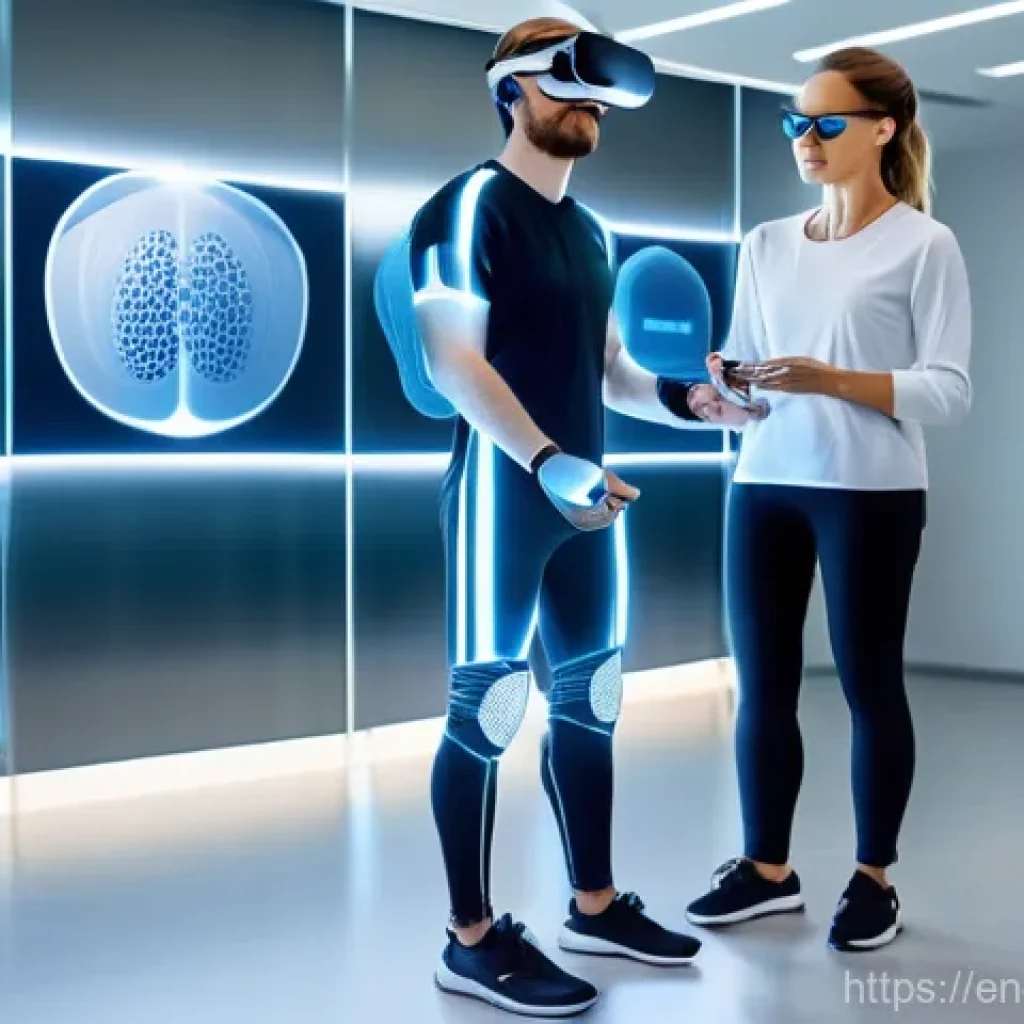
From advanced prosthetics that respond to neural impulses to sophisticated virtual reality environments for cognitive therapy, the possibilities are expanding at an incredible pace.
Staying abreast of these innovations isn’t just about being “trendy”; it’s about equipping ourselves with the most effective means to empower our clients.
There’s a real joy in seeing someone regain a skill or achieve independence with the help of a device that just a decade ago would have seemed like science fiction.
My own experience taught me that early adoption of these tools, when appropriate, can be a game-changer for motivation and progress.
Leveraging AI and Assistive Devices for Enhanced Outcomes
Artificial intelligence, in particular, has become a fascinating area of development. I’ve been exploring how AI-driven analytics can help personalize rehabilitation plans, predicting which interventions might be most effective based on vast datasets.
It’s not about replacing the human touch – far from it – but rather augmenting our ability to make incredibly informed decisions. And then there are the assistive devices!
Think about smart home technologies that allow individuals with mobility impairments to control their environment with voice commands, or advanced communication aids that give a voice to those who struggle with verbal expression.
When I first started in this field, the options were so much more limited, and the advancements we see today are truly inspiring. It’s about more than just functionality; it’s about restoring dignity and independence in ways we never thought possible.
Telehealth and Remote Care: Expanding Access and Impact
Another massive shift I’ve experienced firsthand is the explosion of telehealth and remote care. Honestly, I initially had my reservations about connecting with clients virtually, wondering if it would diminish the personal connection.
But what I’ve found is quite the opposite! For many clients, especially those in rural areas or with significant mobility challenges, telehealth has been a lifeline.
It removes barriers like transportation, scheduling conflicts, and the sheer exhaustion of travel. I’ve had incredible success with remote counseling sessions, allowing me to maintain consistent support for clients who might otherwise fall through the cracks.
It’s a fantastic way to extend our reach and ensure that vital rehabilitation services are accessible to more people, regardless of their location. The flexibility it offers, both for us and our clients, is truly invaluable in today’s fast-paced world.
Mastering Ethical Dilemmas in a Rapidly Evolving Landscape
Let’s be real, while new technologies and approaches are exciting, they also bring a whole new set of ethical considerations that we, as rehabilitation counselors, need to grapple with.
It’s no longer just about the traditional client-counselor relationship; now we’re talking about data security, algorithmic bias, and equitable access to high-tech solutions.
I’ve found myself in many discussions, both formal and informal, wrestling with these complex issues. It truly keeps us on our toes, ensuring that our commitment to client well-being remains at the forefront of every decision, even as the tools we use become more sophisticated.
It’s a constant balancing act, but one that’s absolutely crucial for maintaining the trust and integrity of our profession.
Navigating Confidentiality and Data Privacy in Digital Settings
The digital age has brought confidentiality and data privacy to the forefront of our ethical discussions. With electronic health records, virtual therapy platforms, and even wearable tech collecting sensitive client data, safeguarding that information has become paramount.
I remember a seminar where we discussed the nuances of encryption, secure platforms, and obtaining truly informed consent for digital interactions. It felt like a deep dive into an entirely new legal and ethical territory.
My biggest takeaway was that we can never be too vigilant. Every click, every data point, requires a heightened awareness of potential vulnerabilities.
It’s not just about compliance; it’s about respecting our clients’ fundamental right to privacy in an increasingly interconnected world, ensuring their trust is never compromised.
Addressing Bias and Promoting Equity in Practice
Another significant ethical challenge I’ve observed is ensuring equity in access to these new technologies and addressing potential biases embedded within them.
Are AI tools inadvertently perpetuating existing inequalities? Are high-tech assistive devices only accessible to those with certain financial means? These are tough questions, but absolutely necessary ones.
I’ve had moments where I’ve questioned if a particular intervention, while groundbreaking, might inadvertently exclude a segment of our population. It’s our responsibility to advocate for inclusive design and policy, and to critically evaluate the tools we use.
Promoting equity means not just providing services, but ensuring that the *best* services are available to *everyone*, regardless of their background or socioeconomic status.
Cultivating Holistic Support: The Power of Interdisciplinary Collaboration
My journey as a rehabilitation counselor has overwhelmingly reinforced the idea that we can’t do this alone. True, transformative client support isn’t a solo act; it’s a symphony of different professionals working together.
I’ve seen the most profound changes in clients when their rehabilitation plan integrates insights and interventions from a diverse team. It just makes sense, right?
A person’s well-being is multifaceted, encompassing physical, mental, emotional, and social dimensions. To address all these aspects effectively, we need to build strong bridges with our colleagues across various disciplines.
It’s truly invigorating to be part of a team where everyone brings their unique expertise to the table, all focused on the client’s ultimate success.
Forging Strong Partnerships with Medical and Mental Health Professionals
One of the most impactful strategies I’ve adopted is intentionally cultivating robust relationships with medical doctors, physical therapists, occupational therapists, and mental health specialists.
There have been countless times when a quick consultation with a psychiatrist has clarified a client’s mood fluctuations, or a detailed report from a physical therapist has helped me adjust a vocational goal.
These partnerships aren’t just about referrals; they’re about collaborative case management, shared insights, and a unified approach to client care. I’ve learned that a brief, informal chat with a colleague can sometimes unlock a critical piece of the puzzle that was missing, leading to a much more comprehensive and effective plan.
Integrating Wellness and Lifestyle Coaching into Rehabilitation Plans
Beyond the traditional medical and therapeutic fields, I’ve increasingly recognized the immense value of integrating wellness and lifestyle coaching into rehabilitation.
It’s not enough to just address the immediate rehabilitation goals; we need to empower clients to live full, healthy lives. This means considering nutrition, exercise, stress management, and even hobbies.
I remember working with a client who struggled with chronic pain, and while their physical therapy was essential, it wasn’t until we incorporated mindfulness techniques and a personalized exercise regimen that they truly began to thrive.
It felt like we were addressing the whole person, not just their disability. Embracing this broader perspective on well-being can significantly boost a client’s overall quality of life and long-term success.
Future-Proofing Your Expertise: Staying Relevant in a Dynamic Field
If there’s one thing I’ve learned, it’s that standing still in this profession is simply not an option. The world of rehabilitation counseling is a constantly moving target, with new research, new technologies, and new societal understandings emerging all the time.
To truly be effective and impactful, we have to commit to lifelong learning. It’s not just about maintaining licensure; it’s about genuine curiosity and a drive to always offer the best possible support to our clients.
I’ve found that actively seeking out opportunities for professional growth isn’t just beneficial for my clients; it keeps my own passion ignited and prevents burnout.
Continuous Learning: Certifications, Workshops, and Beyond
For me, continuous learning has come in many forms. I’ve pursued specialized certifications in areas like assistive technology assessment, which opened up entirely new avenues of practice.
Workshops, both online and in-person, have been invaluable for diving deep into specific topics, whether it’s trauma-informed care or navigating complex benefits systems.
And honestly, sometimes the most profound learning comes from informal channels – reading academic journals during my downtime, participating in online forums with peers, or even just swapping stories and strategies with colleagues over coffee.
It’s all about staying hungry for knowledge and recognizing that every interaction is a potential learning opportunity.
Anticipating Emerging Trends and Policy Shifts
Part of staying relevant also involves developing a keen eye for emerging trends and anticipating policy shifts. What new legislation might impact disability services?
How are economic changes affecting employment opportunities for people with disabilities? I’ve found it incredibly helpful to follow relevant news sources, subscribe to industry newsletters, and attend webinars that discuss broader societal impacts.
Understanding the bigger picture allows us to better advocate for our clients and proactively adjust our strategies. For example, recognizing the growing emphasis on neurodiversity has pushed me to explore new training and resources to better serve clients with varied cognitive profiles, ensuring my approach is always current and informed.
The Art of Connection: Deepening Empathy and Client Engagement
You know, for all the amazing technology and advanced methodologies, at the heart of effective rehabilitation counseling is still that fundamental human connection.
It’s about truly seeing and understanding the person in front of you, with all their hopes, fears, and unique experiences. I’ve always believed that empathy isn’t just a soft skill; it’s a powerful clinical tool.
When clients feel genuinely heard and understood, they’re far more likely to engage fully in their rehabilitation journey, open up about their challenges, and ultimately achieve their goals.
It’s a feeling of shared humanity that makes all the difference.
Person-Centered Approaches: Truly Hearing Your Clients
My personal approach has always leaned heavily on person-centered principles. What does that truly mean in practice? It means actively listening, not just waiting for my turn to speak.
It means asking open-ended questions that encourage clients to share their perspectives, rather than imposing my own. I’ve learned to pay close attention to not just what they say, but *how* they say it – their body language, their hesitations, the emotions bubbling beneath the surface.
It’s about empowering them to drive their own rehabilitation process, making choices that resonate with their values and aspirations. There’s a profound satisfaction in helping a client articulate what they truly want and then working alongside them to make it happen.
Building Resilience: Empowering Clients Through Shared Understanding
A crucial part of my role, I’ve found, is helping clients build their own resilience. Life throws curveballs, and for individuals navigating a disability, those curveballs can sometimes feel overwhelming.
By fostering a deep sense of understanding and showing unwavering belief in their potential, we can empower them to tap into their inner strength. I remember a client who felt completely defeated after a setback.
Instead of just problem-solving, I spent time validating their feelings, sharing stories of others who faced similar struggles, and gently reminding them of their past triumphs.
It wasn’t about minimizing their pain, but about helping them see their own capacity for growth and recovery. That shared human connection, built on empathy, is truly what fuels their journey toward resilience.
Beyond the Basics: Tailoring Support for Diverse Populations
Our world is incredibly diverse, and so are the clients we serve. What works for one person may not work for another, even if their diagnoses are similar.
I’ve found that truly effective rehabilitation goes far beyond a one-size-fits-all approach. It requires a deep dive into understanding the unique cultural backgrounds, life experiences, and specific challenges that different populations face.
It’s an ongoing learning process, for sure, but one that enriches our practice and ensures we’re providing truly relevant and respectful support. It’s about acknowledging and celebrating the rich tapestry of humanity that walks through our doors.
Understanding Cultural Competency in Rehabilitation
Cultural competency is something I’ve actively worked on throughout my career, and honestly, it’s a lifelong journey. It’s not just about knowing different customs, but about understanding how culture shapes an individual’s perception of disability, their family dynamics, their communication styles, and even their health-seeking behaviors.
I’ve made mistakes along the way, of course, but each one has been a valuable lesson. For example, I learned that direct eye contact, while a sign of respect in some cultures, can be perceived as aggressive in others.
These nuances are incredibly important for building trust and ensuring that our interventions are culturally appropriate and truly effective. It’s about meeting people where they are, on their terms.
Addressing the Unique Needs of Specific Disability Groups
It’s also vital to recognize that within the broad category of “disability,” there are countless distinct experiences and needs. Working with a veteran who has experienced a traumatic brain injury requires a very different approach than working with a young adult on the autism spectrum, or an older individual navigating a new mobility impairment.
Each group comes with its own set of challenges, resources, and often, a unique community of support. I’ve sought out specialized training and resources to deepen my understanding of specific populations, such as those with chronic pain conditions, mental health diagnoses, or sensory impairments.
This targeted knowledge allows us to tailor our support more precisely, ensuring that our clients receive the most relevant and effective interventions possible for their specific situation.
| Key Trend in Rehabilitation | Impact on Counseling Practice | Opportunity for Professional Growth |
|---|---|---|
| Telehealth & Remote Services | Expands client reach, requires digital literacy | Virtual counseling certifications, platform mastery |
| AI & Assistive Technologies | Personalized interventions, data-driven planning | Tech assessment training, ethical AI discussions |
| Holistic Wellness Integration | Addresses broader client well-being | Lifestyle coaching, mindfulness training |
| Focus on Neurodiversity | Tailored support for cognitive differences | Specialized training in neurodevelopmental conditions |
| Interdisciplinary Collaboration | Comprehensive client support | Networking, joint case studies, team leadership |
Concluding Thoughts
It’s been an incredible journey exploring how dynamic and rewarding the field of rehabilitation counseling truly is. From embracing cutting-edge technology to navigating complex ethical landscapes and fostering profound human connections, every day presents a new opportunity to learn and grow.
What truly stands out to me is the sheer impact we can have on someone’s life, empowering them to reclaim their independence and embrace their full potential.
Let’s keep pushing the boundaries, always with empathy and innovation at our core, ensuring we offer the very best support to those who need us most.
Useful Information to Know
1. Embrace Continuous Learning: The rehabilitation field evolves rapidly, so actively seeking out new certifications, attending workshops, and staying updated on research isn’t just a requirement for licensure, it’s essential for offering the most effective, current support. My own experience has shown that those who commit to lifelong learning are often the most impactful counselors.
2. Harness Technology Wisely: AI, telehealth, and assistive devices are game-changers, offering personalized interventions and expanding access to care. However, remember to critically evaluate new tools, prioritize client data privacy, and ensure equitable access, making technology a powerful ally, not a potential barrier. I’ve seen firsthand how thoughtful integration can truly transform client outcomes.
3. Cultivate Strong Partnerships: Rehabilitation is rarely a solo act. Building robust relationships with medical, mental health, and wellness professionals creates a holistic support network for your clients, leading to more comprehensive and effective plans. I’ve always found that the best solutions often emerge from diverse perspectives.
4. Prioritize Human Connection: For all the tech advancements, empathy and genuine person-centered approaches remain the bedrock of successful rehabilitation. Truly hearing your clients, validating their experiences, and empowering them to lead their own journey fosters trust and engagement, which I’ve found to be the most potent catalyst for change.
5. Champion Diversity and Equity: Recognize and address the unique needs of diverse populations and specific disability groups. Developing cultural competency and advocating for inclusive practices ensures that everyone receives relevant, respectful, and effective support, breaking down barriers and fostering true inclusion. It’s a continuous learning process, but profoundly rewarding.
Key Takeaways
The rehabilitation counseling landscape is undergoing a profound transformation, driven by technological advancements, evolving ethical considerations, and a renewed emphasis on holistic, client-centered care.
To thrive as professionals, we must commit to continuous learning, strategically integrating tools like AI and telehealth while rigorously upholding ethical standards, particularly regarding data privacy and equitable access.
Cultivating strong interdisciplinary partnerships is paramount, allowing us to address the multifaceted needs of clients from a unified perspective. Ultimately, the heart of our work remains the human connection: fostering empathy, empowering resilience, and tailoring support to diverse populations ensures truly transformative outcomes.
It’s a dynamic field that demands adaptability, critical thinking, and an unwavering commitment to the well-being and independence of those we serve, making every day both challenging and deeply gratifying.
Frequently Asked Questions (FAQ) 📖
Q: What are the absolute must-attend topics or areas of focus in rehab counseling seminars right now, especially with all the new advancements?
A: Oh, this is such a critical question, and frankly, it’s one I ask myself constantly! From what I’ve personally seen and experienced, and looking at the buzz in our professional circles, there are a few areas you absolutely can’t afford to overlook.
First up, Artificial Intelligence (AI) and assistive technology are exploding. We’re talking about AI-powered tools that can create personalized rehabilitation plans, help with vocational assessments, and even provide real-time support to clients.
Seminars diving into how to ethically integrate AI into our practice, leverage it for data analysis, and understand its impact on job placement are gold.
I’ve attended a few myself, and it’s truly eye-opening how these tools can streamline our administrative tasks and free us up for more client-facing work.
Another huge one is “Ethical Practice in an Evolving Landscape.” With all the digital tools, virtual counseling, and diverse client needs, our ethical guidelines are constantly being tested and refined.
The Commission on Rehabilitation Counselor Certification (CRCC) regularly updates its Code of Professional Ethics, and staying on top of these changes isn’t just a requirement for our CEUs, it’s fundamental to providing trustworthy, competent care.
Look for seminars that offer ethics credits, focusing on areas like data privacy, multicultural considerations, technology’s role in confidentiality, and navigating complex professional boundaries.
I mean, we’re dealing with people’s lives here, so our ethical compass has to be spot on! Finally, topics around “Holistic Mental Health Support” and “Multicultural Competence” are more important than ever.
We’re seeing a push for trauma-informed care, disability social inclusion models, and understanding the intersectionality of disability in multicultural rehabilitation.
Our clients come from all walks of life, and being genuinely culturally responsive and equipped to support their mental well-being alongside their physical and vocational goals is key.
These aren’t just buzzwords; they’re essential skills that elevate our ability to truly connect and empower.
Q: How can I pick the right seminar that genuinely boosts my career and impact, especially with so many options out there?
A: Okay, this is where the rubber meets the road, right? It can feel overwhelming with all the conferences, webinars, and workshops popping up. My personal strategy, after years of trying to figure out what truly works, boils down to a few things.
First, really consider your current caseload and your future career aspirations. Are you seeing a lot of clients with traumatic brain injuries? Then a seminar on neurorehabilitation or cognitive behavioral therapy techniques for TBI might be more impactful for you than, say, a broad overview of vocational assessments.
Next, always, always check for CEU accreditation, especially for your Certified Rehabilitation Counselor (CRC) certification. The CRCC requires 100 hours of continuing education every five years, with at least 10 hours in ethics.
Many seminars will clearly state if they offer CRCC-approved CEUs, which makes tracking so much easier. I’ve made the mistake of attending a fascinating workshop only to find out it didn’t count for my renewal, and let me tell you, that’s a frustrating lesson learned!
Organizations like the American Rehabilitation Counseling Association (ARCA), the National Rehabilitation Association (NRA), and the International Association of Rehabilitation Professionals (IARP) often host pre-approved events that are a safe bet.
Also, look for opportunities that emphasize practical, evidence-based practices. It’s great to learn theory, but what I’ve found most valuable are the sessions that give you actionable tools you can use with clients the very next day.
Pay attention to the presenters’ backgrounds—do they have real-world experience? Are they actively practicing? A seminar led by someone who’s “been there, done that” often provides insights you just can’t get from a textbook.
And don’t forget to factor in the format: virtual events offer flexibility, while in-person conferences provide invaluable networking. Sometimes, a virtual summit like the NRA’s Disability Employment Summit can give you a lot of bang for your buck without the travel hassle.
Q: Are these seminars truly worth the time and investment, and how do they help me navigate new challenges like
A: I and evolving ethical standards? A3: Absolutely, 100%, without a doubt, they are worth it! I can’t stress this enough: your professional development isn’t just a checkbox; it’s an investment in your impact, your clients, and frankly, your own longevity in this incredible field.
Think about it: the landscape of disability rehabilitation is shifting faster than ever before. If we don’t keep learning, we risk falling behind and not being able to offer our clients the most effective, up-to-date support.
When it comes to new challenges like AI, these seminars are your frontline defense and your biggest opportunity. They’re where you learn that AI isn’t here to replace us, but to empower us.
I’ve seen firsthand how sessions on AI integration can transform a counselor’s approach, allowing them to personalize rehabilitation plans more effectively, predict job placement success with greater accuracy, and streamline administrative tasks.
It’s about becoming proficient with these tools so we can harness their power ethically and responsibly, ensuring they truly benefit our clients while maintaining that crucial human connection.
As for evolving ethical standards, well, that’s non-negotiable. Our profession is built on trust and integrity. Seminars specifically addressing the latest CRCC Code of Ethics or focusing on ethical decision-making models in complex scenarios are essential.
They give us the frameworks and confidence to navigate tricky situations involving confidentiality, informed consent in digital spaces, and cultural competence.
I mean, nobody wants to find themselves in an ethical bind, and these programs are designed to help us prevent that. Beyond the specific topics, these seminars ignite passion, foster new connections, and sometimes, they even reignite that spark you felt when you first entered the field.
They’re a reminder that you’re part of a larger community dedicated to making a profound difference. The sheer act of being present, engaging with peers, and learning from experts is invigorating.
So yes, they are absolutely worth the time, the effort, and the financial commitment—because the positive ripple effect on our clients’ lives, and our own professional satisfaction, is immeasurable.