Hey there, amazing readers! I’m so glad you’re here, because today we’re going to talk about something incredibly important and deeply personal to so many: the world of disability rehabilitation and the incredible people who make a real difference in it.
When I think about the journey individuals face after a physical disability, my heart goes out to them, but my mind quickly turns to the incredible resilience and progress I’ve seen over the years.
It’s truly inspiring how much the landscape of support has evolved, especially with the rapid advancements in technology and a growing understanding of what it really means to live a full life with a disability.
It used to be that the conversation around physical disability was often limited to just the physical aspects, but thankfully, we’re moving towards a much more holistic approach.
We’re seeing exciting breakthroughs, from AI-powered prosthetics and robotic exoskeletons that are literally changing how people move and interact with the world, to smart home devices that offer unprecedented independence.
And behind so much of this progress are the unsung heroes: the dedicated disability rehabilitation counselors. They’re not just helping with physical recovery; they’re vital in navigating the emotional, social, and vocational paths, ensuring that support is tailored to each individual’s unique journey.
It’s a dynamic field that demands empathy, expertise, and a keen eye on the future. This isn’t just about overcoming limitations; it’s about unlocking potential and fostering genuine inclusion.
I’ve witnessed firsthand the profound impact a skilled counselor can have, transforming what seems impossible into tangible goals and real-life achievements.
From helping someone re-enter the workforce with adapted skills to connecting them with cutting-edge assistive technologies, these professionals are at the forefront of empowerment.
It’s an exciting time to delve into how we can better support individuals with physical disabilities, especially with the ever-evolving tools at our disposal and a renewed focus on comprehensive, person-centered care.
Ready to explore how disability rehabilitation counselors and innovative physical disability support are shaping a more inclusive future? Let’s dive deeper into this below!Hey there, amazing readers!
I’m so glad you’re here, because today we’re going to talk about something incredibly important and deeply personal to so many: the world of disability rehabilitation and the incredible people who make a real difference in it.
When I think about the journey individuals face after a physical disability, my heart goes out to them, but my mind quickly turns to the incredible resilience and progress I’ve seen over the years.
It’s truly inspiring how much the landscape of support has evolved, especially with the rapid advancements in technology and a growing understanding of what it really means to live a full life with a disability.
It used to be that the conversation around physical disability was often limited to just the physical aspects, but thankfully, we’re moving towards a much more holistic approach.
We’re seeing exciting breakthroughs, from AI-powered prosthetics and robotic exoskeletons that are literally changing how people move and interact with the world, to smart home devices that offer unprecedented independence.
And behind so much of this progress are the unsung heroes: the dedicated disability rehabilitation counselors. They’re not just helping with physical recovery; they’re vital in navigating the emotional, social, and vocational paths, ensuring that support is tailored to each individual’s unique journey.
It’s a dynamic field that demands empathy, expertise, and a keen eye on the future. This isn’t just about overcoming limitations; it’s about unlocking potential and fostering genuine inclusion.
I’ve witnessed firsthand the profound impact a skilled counselor can have, transforming what seems impossible into tangible goals and real-life achievements.
From helping someone re-enter the workforce with adapted skills to connecting them with cutting-edge assistive technologies, these professionals are at the forefront of empowerment.
It’s an exciting time to delve into how we can better support individuals with physical disabilities, especially with the ever-evolving tools at our disposal and a renewed focus on comprehensive, person-centered care.
Ready to explore how disability rehabilitation counselors and innovative physical disability support are shaping a more inclusive future? Let’s dive deeper into this below!
The Guiding Hands: Navigating Life’s New Path
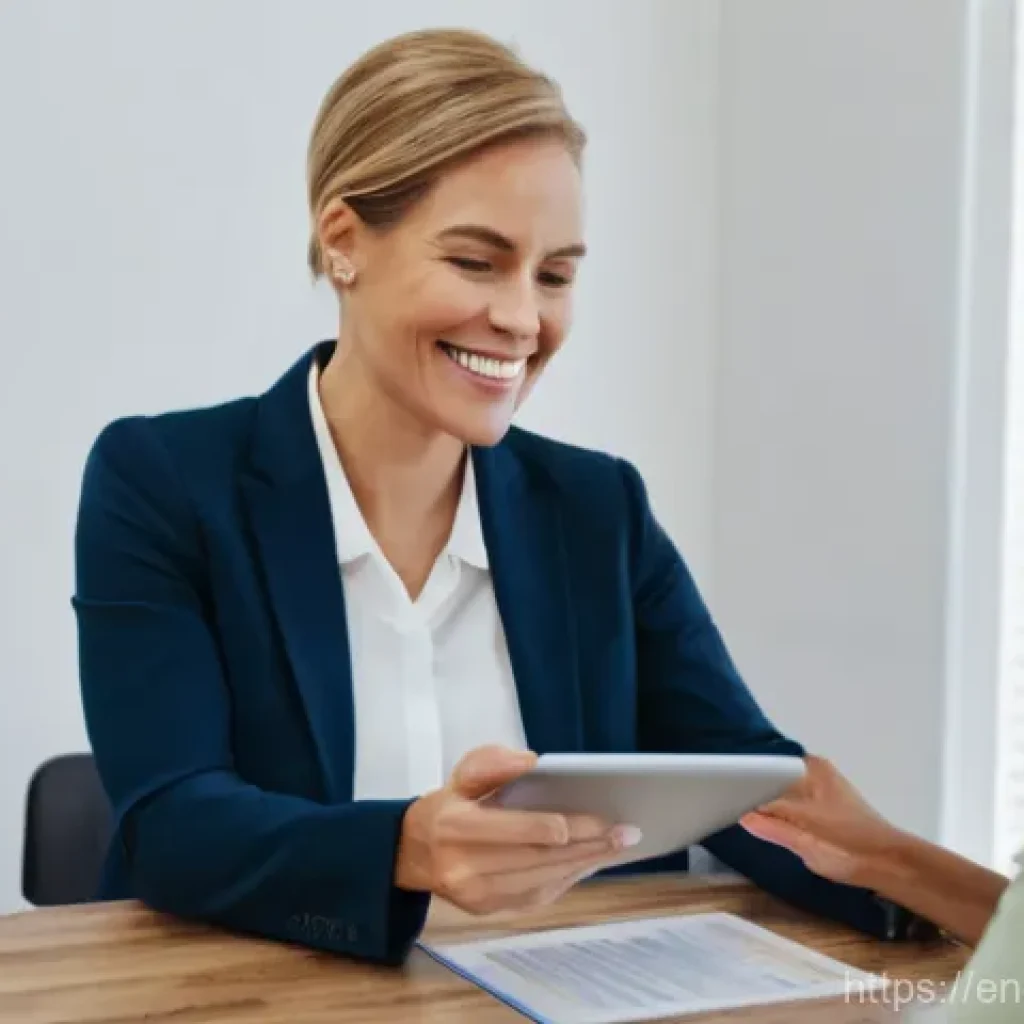
You know, when someone experiences a physical disability, it’s not just about the immediate physical challenges they face. It’s a whole new world to navigate, emotionally, socially, and professionally. That’s where disability rehabilitation counselors truly shine. They’re like seasoned navigators, helping individuals chart a course through unfamiliar waters. From the moment someone is ready to start their rehabilitation journey, these professionals step in, not with a one-size-fits-all solution, but with a deeply personal approach. I’ve seen firsthand how a skilled counselor can transform a moment of despair into a renewed sense of purpose. They don’t just offer advice; they become partners, advocates, and a steady source of encouragement. It’s truly inspiring to witness the individualized care that goes into creating a rehabilitation plan, ensuring every step forward is meaningful and sustainable. They understand that recovery isn’t linear, and they’re there for every twist and turn, celebrating victories and offering support through setbacks. It’s a role that demands immense empathy, deep knowledge, and an unwavering commitment to human potential.
More Than Just Medical – The Counselor’s Holistic Role
What I find truly remarkable about disability rehabilitation counselors is their comprehensive perspective. They recognize that healing extends far beyond the physical body. Of course, they’ll connect you with top-notch physical and occupational therapists, but their scope is much broader. They delve into mental health, offering resources for therapy, support groups, and coping strategies, because let’s be real, adjusting to a disability can bring a whole range of emotions to the surface. They also consider social integration, helping individuals reconnect with their communities, pursue hobbies, and maintain vital relationships. And for many, the biggest hurdle can be vocational. Imagine having to rethink your entire career path! Counselors help with skill assessments, job training, adaptive equipment, and even employer advocacy. It’s about building a foundation for a truly fulfilling life, addressing every aspect of well-being, not just the medical diagnosis. This holistic view is what makes their impact so profound and long-lasting, because life, after all, is multifaceted.
Crafting a Personalized Roadmap to Independence
One of the things that consistently impresses me about disability rehabilitation counselors is their dedication to crafting genuinely personalized roadmaps. There’s no cookie-cutter approach here, and that’s something I absolutely adore. Every single person’s journey with a physical disability is unique, with distinct challenges, strengths, and aspirations. A good counselor starts by really listening, getting to know the individual’s story, their goals, and even their fears. They then meticulously assess everything from physical capabilities and cognitive function to educational background and work history. Based on this incredibly detailed understanding, they work collaboratively with the individual to set realistic yet empowering goals. This might involve setting up a home modification plan, identifying assistive technologies, or developing a comprehensive vocational training program. It’s a dynamic process, with regular evaluations and adjustments, ensuring the plan evolves as the individual progresses. The goal is always to maximize independence and enhance quality of life, and watching someone take ownership of their journey with this kind of support is incredibly moving.
Beyond Limitations: Technologies That Transform Lives
It’s genuinely mind-blowing to think about how far technology has come in supporting individuals with physical disabilities. I mean, just a few decades ago, some of the innovations we see today would have sounded like something straight out of a science fiction novel. But here we are, witnessing incredible breakthroughs that are not just helping people cope, but truly empowering them to live fuller, more independent lives. When I chat with folks who are benefiting from these advancements, there’s an undeniable buzz of excitement. It’s no longer about just making things “accessible”; it’s about creating entirely new possibilities. From cutting-edge prosthetics that feel like a natural extension of the body to robotic exoskeletons that literally help people stand and walk again, the landscape is constantly evolving. It truly feels like we’re at the cusp of a golden age for assistive technology, where the human spirit, combined with ingenious engineering, is breaking down barriers faster than ever before. It’s not just about a cool gadget; it’s about restored dignity, renewed participation, and expanded horizons.
The Marvels of Modern Prosthetics and Exoskeletons
I can still remember a few years back, seeing a demonstration of a bionic hand that could grip objects with astonishing dexterity, controlled by the user’s own thoughts. My jaw practically hit the floor! Modern prosthetics aren’t just aesthetically pleasing; they’re incredibly functional, often incorporating AI and advanced robotics. We’re talking about limbs with sensory feedback, allowing users to “feel” what they’re touching, or prosthetic knees that intelligently adapt to different terrains. And then there are robotic exoskeletons, which, for people with spinal cord injuries, are nothing short of miraculous. These devices provide external support, enabling individuals to stand, walk, and even climb stairs, opening up worlds that were previously inaccessible. What truly touches me is the incredible sense of liberation and joy these technologies bring. It’s not just about regaining function; it’s about reclaiming a sense of self and engaging with the world in ways that were once unimaginable. The continuous research and development in this area are truly a testament to human ingenuity and compassion.
Smart Homes and Accessibility: Living Life on Your Terms
Think about your own home – the ultimate sanctuary, right? Now imagine if your home could actively adapt to your needs, making everyday tasks seamless and empowering. That’s the promise of smart home technology for individuals with physical disabilities, and it’s something I’m incredibly passionate about. We’re talking about voice-activated lights, thermostats, and entertainment systems. Doors that open automatically, smart refrigerators that can track inventory, and even robotic vacuum cleaners. For someone with limited mobility, these aren’t just conveniences; they’re essential tools for maintaining independence and dignity. I recently heard about a setup where a person could control their entire living environment, from their bed, simply by speaking commands. It reduces reliance on caregivers, increases privacy, and fosters a sense of control over one’s personal space. The integration of these technologies into daily life isn’t just about making things easier; it’s about transforming a house into a truly inclusive and accessible home, where living life on your own terms isn’t a dream, but a daily reality.
Finding Your Tribe: Community and Social Reintegration
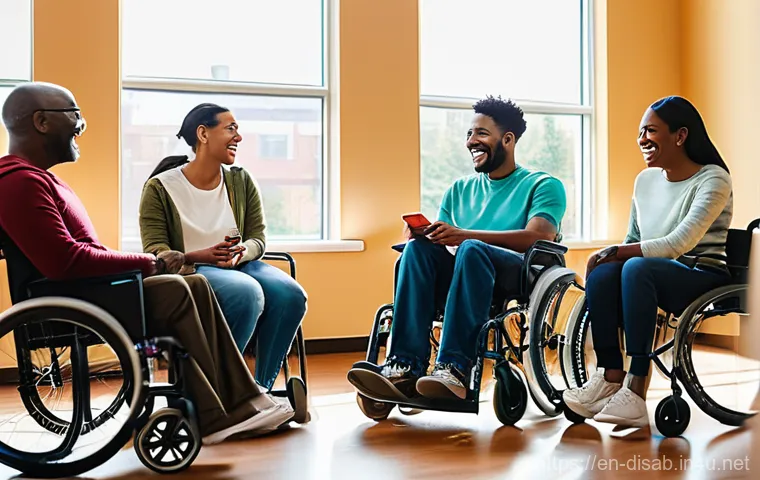
Let’s be real, navigating life with a physical disability can sometimes feel isolating. It’s easy to get caught up in the medical appointments and therapeutic exercises, but equally important, if not more so, is the human connection. That’s why I always emphasize the incredible power of community and social reintegration. For so many, finding their “tribe” – a group of people who truly understand their experiences – can be a game-changer. These connections provide not just emotional support but also practical advice, shared laughter, and a profound sense of belonging. Rehabilitation counselors often play a crucial role in facilitating these connections, linking individuals with local support groups, adaptive sports programs, and advocacy organizations. It’s about breaking down the invisible barriers that can sometimes emerge and building bridges back to a vibrant, engaged life. After all, we’re social creatures, and feeling connected is fundamental to our overall well-being and sense of purpose. It’s about more than just surviving; it’s about thriving in a supportive environment.
The Power of Peer Support and Local Networks
I’ve witnessed firsthand the incredible impact that peer support can have. When you’re going through something challenging, there’s nothing quite like connecting with someone who truly gets it, someone who has walked a similar path. Peer support groups, whether in-person or online, offer a safe space to share experiences, exchange tips, and just feel understood. I remember speaking with someone who felt incredibly alone after their injury, but after joining a local group, they found not just friends, but a whole new outlook on life. They learned about adaptive hobbies they never knew existed, found encouragement to try new things, and realized they weren’t defined by their disability. Beyond formal groups, counselors also help individuals tap into broader community networks – perhaps connecting them with local accessible venues, volunteer opportunities, or even community college courses tailored for diverse needs. These connections are vital for fostering a sense of normalcy and reminding individuals that their lives are rich and full, with endless possibilities for engagement.
Breaking Down Barriers: Advocacy and Inclusion
True social reintegration isn’t just about finding existing communities; it’s also about actively working to make communities more inclusive for everyone. This is where advocacy really steps in. Disability rehabilitation counselors often empower individuals to become their own advocates, teaching them how to voice their needs, understand their rights, and push for necessary changes. This could be anything from advocating for accessible public transportation to ensuring workplaces are inclusive and accommodating. I’ve seen some truly inspiring individuals who, after their own rehabilitation journey, became passionate advocates for others, working tirelessly to break down systemic barriers. It’s about challenging misconceptions, fighting stigma, and promoting a culture where everyone feels valued and has equal opportunities. This collective effort to create a more inclusive society benefits us all, making our communities richer, more diverse, and genuinely reflective of the incredible spectrum of human experience. It’s a powerful reminder that every voice matters, and every step towards inclusion makes a difference.
A Wholistic Journey: Nurturing Mind, Body, and Spirit
When we talk about disability rehabilitation, it’s so easy to focus just on the physical aspects – the therapies, the exercises, the equipment. And yes, those are absolutely crucial! But what often gets overlooked, or perhaps not given enough emphasis, is the profound impact a physical disability can have on a person’s mental and emotional well-being, as well as their spirit. I’ve always believed that true healing encompasses all these dimensions. Neglecting one part of the equation means the whole person isn’t truly being supported. That’s why I so deeply appreciate the wholistic approach that skilled rehabilitation professionals champion. They understand that a strong mind can bolster physical recovery, and a hopeful spirit can fuel determination. It’s an intricate dance between various elements, all working in concert to help someone not just recover physically, but truly reclaim their zest for life. It’s about fostering resilience, rebuilding confidence, and finding new avenues for joy and fulfillment. Because after all, a person is more than just their physical body; they are a complex tapestry of thoughts, feelings, and aspirations.
Addressing Mental Health in Rehabilitation
Let’s be frank: experiencing a physical disability can be incredibly tough on mental health. There’s often grief for what was, anxiety about the future, and sometimes, even depression can set in. It’s a completely natural human response to a major life change. A good rehabilitation program, guided by empathetic counselors, absolutely prioritizes mental health support. They connect individuals with therapists who specialize in trauma, adjustment disorders, and grief counseling. They might recommend support groups, mindfulness practices, or even introduce therapeutic activities like art or music. I’ve personally seen how vital this support is; it’s not just an add-on, it’s foundational. When someone feels heard, understood, and equipped with coping strategies, it frees up so much mental energy that can then be channeled into physical recovery. It’s about validating feelings, reducing isolation, and helping individuals build a robust emotional toolkit to navigate the ups and downs of their journey. A healthy mind is an indispensable ally in any rehabilitation process.
The Role of Physical and Occupational Therapy
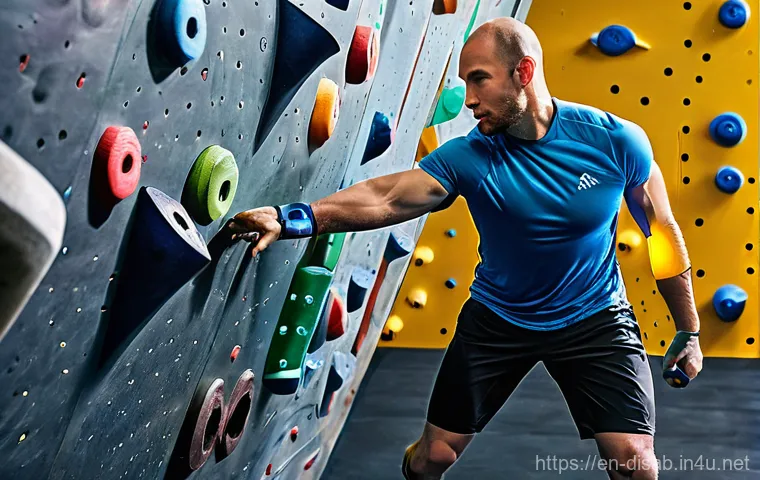
Of course, we can’t talk about rehabilitation without diving into the incredible work of physical and occupational therapists. These are the hands-on heroes who guide individuals through regaining strength, mobility, and functional independence. Physical therapy often focuses on restoring movement, reducing pain, and building endurance through targeted exercises, stretches, and modalities. Occupational therapy, on the other hand, is all about helping people adapt to daily living, focusing on tasks like dressing, eating, bathing, and performing work-related activities. They might introduce adaptive tools, recommend modifications to home or work environments, or teach new ways to accomplish tasks. What’s truly fascinating is how interconnected these therapies are, often working in tandem with the rehabilitation counselor to achieve comprehensive goals. I’ve seen countless individuals, through sheer grit and the expert guidance of these therapists, achieve milestones they once thought impossible. It’s a testament to the power of consistent effort and tailored professional support, transforming potential into tangible progress, one step, one movement at a time.
Empowering Voices: Advocacy and Rights
One of the most powerful aspects of working with disability rehabilitation counselors is their unwavering commitment to empowering individuals to advocate for themselves. It’s not just about receiving support; it’s about understanding your rights and having the confidence to speak up. I’ve found that knowing your rights can be incredibly liberating. It shifts the dynamic from feeling dependent to feeling empowered and in control of your own journey. Counselors are often treasure troves of information regarding legal protections, benefits, and available resources. They don’t just hand you a pamphlet; they sit with you, explain the nuances, and help you navigate what can often feel like a complex bureaucratic maze. It’s about equipping you with the knowledge and tools to stand up for your needs and ensure you receive the equitable treatment and opportunities you deserve. This aspect of rehabilitation is often overlooked, but in my experience, it’s absolutely crucial for long-term independence and quality of life. Knowing your voice matters, and knowing how to use it, is a superpower in itself.
Understanding Your Rights and Benefits
It can feel like a daunting task to understand all the legal protections and benefits available when you’re dealing with a physical disability. That’s where a knowledgeable rehabilitation counselor becomes an invaluable resource. They can break down complex legislation like the Americans with Disabilities Act (ADA) in the US, explaining how it impacts areas like employment, public accommodations, and transportation. They’ll also help you navigate the intricacies of various benefit programs, whether it’s Social Security Disability Insurance (SSDI), Supplemental Security Income (SSI), or state-specific assistance. I’ve seen many people feel overwhelmed by the paperwork and eligibility requirements, but with a counselor’s guidance, it becomes manageable. They can help with applications, appeals, and understanding healthcare coverage like Medicare or Medicaid. This isn’t just about money; it’s about accessing crucial services, equipment, and support that can make a profound difference in daily living. Education on these rights and benefits isn’t just information; it’s a pathway to greater autonomy and security.
The Counselor as Your Champion
Sometimes, despite knowing your rights, you might still encounter obstacles or feel intimidated by systems. This is where your disability rehabilitation counselor truly steps in as your champion. They’re not just advisors; they are often skilled advocates who can intervene on your behalf or guide you on how to effectively advocate for yourself. This might mean making calls to employers regarding reasonable accommodations, communicating with educational institutions about accessibility needs, or even assisting in discussions with housing providers. I remember hearing a story about a counselor who helped a client secure a critical piece of adaptive equipment that an insurance company initially denied, simply by knowing the right avenues and providing the necessary documentation. Their experience and professional network can be incredibly powerful. Having someone in your corner, who understands the system and is dedicated to your success, makes an immeasurable difference. It’s about having a trusted ally who empowers you to overcome hurdles and ensures your needs are heard and met.
The Road Ahead: Innovations Shaping Tomorrow’s Support
The future of physical disability support and rehabilitation is not just promising; it’s exhilarating! Every day, it feels like we’re hearing about new breakthroughs that are pushing the boundaries of what’s possible. From advanced robotics to personalized medicine, the pace of innovation is accelerating, and it’s creating incredible opportunities for individuals with disabilities. I get genuinely excited imagining the world even just a decade from now, with technologies and approaches that are even more integrated, intuitive, and tailored to individual needs. This isn’t just about making life easier; it’s about unlocking human potential in ways we’ve only dreamed of. The commitment from researchers, engineers, and rehabilitation professionals to continuously improve and innovate is truly inspiring. It’s a field driven by a deep desire to enhance quality of life, foster independence, and create a truly inclusive society. The advancements we’re seeing now are just the beginning, and I can’t wait to see what amazing innovations unfold next. It’s a testament to human creativity and compassion.
Virtual Reality and Tele-Rehabilitation: A New Frontier
Imagine doing your physical therapy in a virtual world, battling dragons or exploring ancient ruins, all while improving your motor skills. That’s the incredible potential of virtual reality (VR) in rehabilitation, and it’s something I’m watching with immense interest! VR can make repetitive exercises engaging and fun, boosting motivation and adherence. Beyond that, tele-rehabilitation is revolutionizing access to care. For those in remote areas or with mobility challenges, receiving therapy and counseling via video calls is a game-changer. It breaks down geographical barriers and allows for more consistent, convenient support. I’ve spoken with people who found it incredibly helpful to connect with their therapists from the comfort of their own homes, especially during times when travel was difficult. This isn’t just a temporary solution; it’s a permanent shift towards more flexible and accessible care models. These technologies are not only enhancing the effectiveness of rehabilitation but also broadening its reach, ensuring more people can access the support they need, regardless of their circumstances.
Personalized Medicine and Regenerative Therapies
The concept of personalized medicine, where treatments are tailored to an individual’s unique genetic makeup and health profile, holds incredible promise for physical disability rehabilitation. We’re moving away from a one-size-fits-all approach to highly specific interventions. Think about therapies that could repair nerve damage or regenerate tissue based on a person’s own cells! Regenerative medicine, using stem cells and bioengineering, is an area of intense research that could revolutionize recovery from injuries previously thought to be permanent. While some of these advancements are still in experimental stages, the potential is monumental. It offers hope for restoring function at a fundamental biological level, potentially reducing the reliance on external assistive devices over time. I believe that integrating these cutting-edge biological therapies with traditional rehabilitation methods will unlock unprecedented levels of recovery and independence. It’s an exciting future where science and compassion converge to create truly life-changing outcomes, giving people back not just movement, but a renewed sense of what’s possible.
| Type of Support | Key Benefits for Individuals | Example Technologies/Approaches |
|---|---|---|
| Physical Rehabilitation | Restores mobility, strength, and reduces pain, enhancing daily function. | Physical Therapy, Occupational Therapy, Adaptive Equipment, Robotics (exoskeletons) |
| Emotional & Mental Health | Provides coping strategies, reduces anxiety/depression, fosters resilience and positive outlook. | Counseling, Support Groups, Mindfulness Practices, Art/Music Therapy |
| Vocational Rehabilitation | Facilitates return to work, skill development, and career change support. | Job Coaching, Skill Assessment, Workplace Accommodations, Assistive Technology for Work |
| Social Reintegration | Connects individuals with community, reduces isolation, and promotes active participation. | Peer Support Networks, Adaptive Sports, Community Events, Advocacy Groups |
| Assistive Technology Integration | Enhances independence in daily living, communication, and environmental control. | Smart Home Devices, Advanced Prosthetics, Communication Devices, Mobility Aids |
Wrapping Things Up
Whew! What a journey we’ve taken together, exploring the incredible landscape of disability rehabilitation. It’s truly inspiring to see how far we’ve come, thanks to dedicated professionals, groundbreaking technology, and the unwavering spirit of individuals navigating new paths. Remember, this isn’t just about managing a condition; it’s about embracing a holistic journey that nurtures the mind, body, and spirit. It’s about empowering voices, building vibrant communities, and constantly pushing the boundaries of what’s possible. I’ve personally felt the profound impact of these advancements and the deep human connection that drives this field forward, and I’m genuinely excited for what the future holds for accessibility and inclusion.
Useful Information to Know
1. Embrace a Holistic Approach: Don’t just focus on physical recovery. Your mental and emotional well-being are equally vital. Seek out counseling, support groups, and mindfulness practices to build resilience and maintain a positive outlook.
2. Stay Updated on Assistive Technology: The pace of innovation is rapid! Keep an eye on new developments like AI-powered prosthetics, smart home systems, and tele-rehabilitation options that can significantly enhance your independence and quality of life.
3. Find Your Community: Connecting with others who share similar experiences can provide invaluable emotional support, practical advice, and a sense of belonging. Look for local or online peer support groups and adaptive recreation programs.
4. Know Your Rights and Advocate: Understanding legal protections and available benefits is empowering. Don’t hesitate to work with rehabilitation counselors or advocacy organizations who can champion your needs and help you navigate complex systems.
5. Prioritize Continuous Learning: Rehabilitation is an ongoing process. Be open to new therapies, adaptive techniques, and educational opportunities that can help you continually grow and adapt, maximizing your potential in all aspects of life.
Key Takeaways
Ultimately, the journey through physical disability rehabilitation is a testament to human resilience, supported by an incredible ecosystem of care. We’ve seen that a person-centered, holistic approach is key, integrating medical, psychological, social, and vocational elements. The rapid advancements in assistive technology are not just conveniences; they are game-changers, fostering unprecedented levels of independence and participation. Moreover, the power of community, peer support, and strong advocacy are fundamental in breaking down barriers and fostering true inclusion. As we look ahead, the continuous evolution of integrated care and innovative solutions promises an even brighter future where everyone has the opportunity to lead a fulfilling life on their own terms. This isn’t just about adapting; it’s about thriving.
Frequently Asked Questions (FAQ) 📖
Q: So, what exactly does a Disability Rehabilitation Counselor do beyond just the physical stuff? It sounds like they’re crucial, but I’m curious about the specifics!
A: That’s such a fantastic question, and it gets right to the heart of why these professionals are so invaluable! From my own observations and conversations with folks who’ve been through the rehabilitation journey, I’ve learned that a Disability Rehabilitation Counselor is truly a guide, a partner, and often, a beacon of hope.
They absolutely go way beyond the physical, taking a beautifully holistic approach to someone’s life after a physical disability. Think of them as someone who helps piece together the entire puzzle.
They’ll work with you to understand your emotional well-being, because let’s be real, adjusting to a new normal can be incredibly tough mentally and emotionally.
They’re also masters at navigating the vocational landscape – helping individuals explore new career paths, adapt existing skills, or even connect with employers who are inclusive and understanding.
I’ve seen firsthand how they can unlock potential people didn’t even know they had, bridging the gap between an individual’s aspirations and the practical steps needed to achieve them.
They’ll connect you with educational opportunities, advocate for your rights, and help you access vital community resources, from transportation to social groups.
It’s truly about empowering people to live their fullest, most independent lives, whatever that looks like for them. It’s not just about recovery; it’s about rediscovery and forging a vibrant future.
Q: You mentioned some exciting tech breakthroughs. Can you give me a few real-world examples of these innovative physical disability supports? I’m fascinated by how technology is changing lives!
A: Oh, you’re speaking my language now! The advancements in assistive technology are genuinely mind-blowing, and I get so excited when I see the impact they have.
I’ve been absolutely blown away by what’s emerging. Take AI-powered prosthetics, for instance. We’re not talking about basic artificial limbs anymore; these are sophisticated devices that can learn and adapt to an individual’s gait and movements, offering an almost seamless integration that provides incredible dexterity and a much more natural feel.
Then there are robotic exoskeletons – imagine someone who was previously unable to walk being able to stand and take steps again with the help of a wearable robotic suit!
This isn’t just for mobility; it’s also revolutionizing physical therapy, allowing for precise, repeatable movements that accelerate recovery. And let’s not forget smart home technology.
From voice-activated systems that control lights, thermostats, and entertainment, to automated doors and accessible kitchen appliances, these innovations are offering unprecedented levels of independence and making daily life so much easier and safer.
I remember thinking how futuristic this all sounded just a few years ago, and now it’s a reality, truly enhancing quality of life and empowering individuals in ways we could only dream of before.
Q: This all sounds incredible! But if someone is looking for a disability rehabilitation counselor or innovative support, where’s the best place to start? It feels like a big field to navigate.
A: That’s a super practical question, and honestly, it’s one of the most common hurdles people face – just knowing where to begin. My biggest piece of advice is to start by tapping into existing healthcare networks.
Your primary care physician or any specialists you might be seeing (like a physical therapist or neurologist) are usually excellent first points of contact.
They can often provide referrals to local rehabilitation centers or specific counselors. Another fantastic resource is your state or regional vocational rehabilitation agency; they often have comprehensive services and can connect you with certified rehabilitation counselors (CRCs).
These professionals are specifically trained to work with individuals with disabilities. Don’t underestimate the power of professional organizations either – groups like the American Rehabilitation Counseling Association or the National Council on Rehabilitation Education often have directories or resources to help you find qualified professionals in your area.
And honestly, a quick, targeted online search for “disability rehabilitation counselors near me” or “assistive technology specialists [your city/state]” can yield some great starting points.
It’s also worth reaching out to local disability advocacy groups or community organizations; they often have incredible networks and can offer personalized recommendations based on your specific needs.
The key is to remember that finding the right support is a personal journey, so don’t hesitate to ask questions and find someone who truly understands your unique situation.