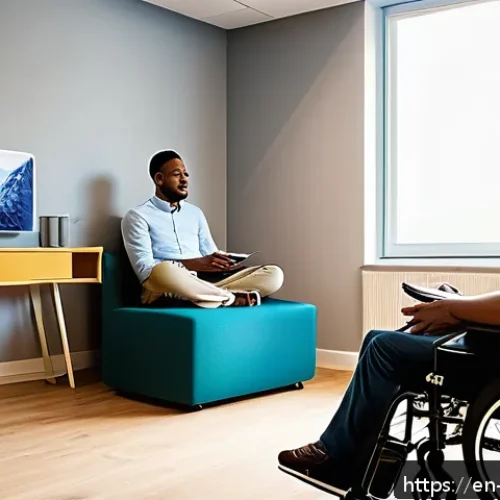
Unlocking Your Potential: The Definitive Guide to Rehabilitation Counselors vs. Social Workers

webmaster

장애인재활상담사와 사회복지사의 차이점 - Here are three detailed image generation prompts in English, designed to be 15+ appropriate and avoi...

Hey there, amazing people! It’s your go-to guide for all things career, lifestyle, and making a real impact in the world. I’ve been getting so many questions lately about two incredibly vital roles that often get mixed up: Disability Rehabilitation Counselors and Social Workers.

It’s totally understandable – both professions are dedicated to empowering individuals and fostering community well-being, yet their daily responsibilities and specialized approaches are actually quite distinct.

From navigating complex support systems to championing personal growth, understanding where each role shines can truly make all the difference, whether you’re seeking assistance or looking to embark on a fulfilling career path.

I’ve personally seen how a clear grasp of these differences can lead to better outcomes and more targeted support for those who need it most. So, if you’re curious about the unique contributions of each, or perhaps you’re weighing your own options in this rewarding field, you’re in the right place!

Let’s explore this thoroughly and clear up any confusion you might have.

Navigating the Path to Personal Empowerment

장애인재활상담사와 사회복지사의 차이점 - Here are three detailed image generation prompts in English, designed to be 15+ appropriate and avoi...

The Focus on Individualized Growth

When I first started exploring careers that truly make a difference, I quickly realized how specialized some roles are, even when they seem similar on the surface.

Take Disability Rehabilitation Counselors, for example. What struck me right away, from talking to folks in the field and seeing their work firsthand, is their laser focus on empowering individuals with disabilities to achieve personal, social, and vocational independence.

It’s not just about finding a job; it’s about building a whole life where someone feels truly capable and integrated into their community. They’ll spend so much time really getting to know a person, understanding their unique strengths, challenges, and aspirations.

It’s an incredibly detailed and personal journey, often involving assessments that dive deep into vocational interests, aptitudes, and functional limitations.

I’ve witnessed how a counselor can help someone identify a dream career they thought was out of reach, and then meticulously map out the steps to get there, from skill development to job placement.

It’s a dedicated partnership, truly inspiring to observe.

Specialized Support for Unique Challenges

One of the things that truly sets a Disability Rehabilitation Counselor apart, in my experience, is their specialized knowledge of disability-specific issues.

This isn’t just general counseling; it’s steeped in an understanding of chronic illnesses, physical limitations, mental health conditions, and cognitive challenges.

They’re often experts in assistive technology, workplace accommodations, and navigating the sometimes-daunting legal landscape of disability rights. I remember a conversation with a client who had a spinal cord injury, feeling completely overwhelmed by the thought of returning to work.

Their rehabilitation counselor didn’t just offer emotional support; they knew exactly which adaptive equipment could help, understood the nuances of the Americans with Disabilities Act (ADA), and even connected them with employers who were genuinely committed to inclusive hiring.

This depth of specific expertise ensures that the support offered isn’t just empathetic, but also incredibly practical and effective, tailored to the unique barriers someone might face.

It truly impressed me how much detail goes into their planning.

Crafting Personalized Roadmaps to Independence

Vocational and Life Skills Development

It’s easy to think that a “counselor” just talks to people, but I’ve learned that a Disability Rehabilitation Counselor goes way beyond that. They are like architects of opportunity, helping individuals with disabilities develop crucial vocational and life skills.

This can look like anything from helping someone brush up on their interview techniques to teaching them how to manage a budget, navigate public transportation, or even develop social skills for the workplace.

I once followed the journey of someone who, after a traumatic brain injury, struggled with executive function. Their counselor worked tirelessly, not just with therapy referrals, but also by implementing practical strategies like daily planners, reminder systems, and even role-playing social interactions that might come up in a job setting.

It was amazing to see how these practical, hands-on interventions slowly but surely rebuilt their confidence and capabilities, paving the way for a more independent life.

This isn’t just theoretical guidance; it’s active, intentional skill-building.

Assessment Tools and Strategic Planning

What really stands out about rehabilitation counselors is their methodical approach, often powered by a toolkit of specialized assessments. We’re talking about vocational assessments that uncover hidden talents, functional capacity evaluations that pinpoint areas for improvement, and even psychological assessments to understand emotional barriers.

Based on these insights, they don’t just suggest a path; they co-create a detailed, step-by-step strategic plan with the individual. I’ve seen these plans be incredibly comprehensive, outlining educational programs, job training, assistive technology needs, and even housing considerations.

It’s a living document that evolves as the person grows and progresses. This isn’t a “one-size-fits-all” approach; it’s a deeply personalized blueprint for success, designed to maximize an individual’s potential and integrate them fully into their chosen communities.

This dedication to detailed planning is what makes their interventions so impactful and lasting.

Advertisement

Broadening Horizons: A Community-Centric Approach

Addressing Systemic Barriers

Now, let’s pivot a bit and talk about social workers, because while their heart is in a similar place of helping, their vantage point and methods are often much broader.

Where a rehabilitation counselor might focus intently on the individual’s journey to employment, a social worker often looks at the bigger picture – the entire web of social, economic, and environmental factors that impact someone’s well-being.

I remember volunteering at a community center where a social worker was tirelessly advocating for affordable housing initiatives. It wasn’t just about one family; it was about understanding and dismantling the systemic barriers that prevented many families from securing stable housing.

They delve into issues like poverty, discrimination, inadequate healthcare access, and educational disparities, constantly seeking to understand how these larger societal structures influence individual lives.

It’s a truly expansive view, recognizing that individual problems often have roots in societal issues that need to be addressed at a policy level.

Connecting to a Web of Resources

If a Disability Rehabilitation Counselor is a specialized guide, a social worker is often a master navigator of an incredibly complex system of resources.

They are the go-to experts for connecting individuals and families with everything from food assistance programs, mental health services, and crisis intervention to legal aid and housing support.

I’ve witnessed social workers, practically with their eyes closed, rattle off dozens of community organizations, government programs, and non-profits that could help someone in dire need.

They don’t just offer advice; they actively make referrals, facilitate access, and often advocate on behalf of their clients to ensure they receive the services they’re entitled to.

It’s an invaluable skill, especially for those who feel lost and overwhelmed by bureaucracy. Their role is often about stabilizing a situation, ensuring basic needs are met, and then building a foundation upon which an individual or family can begin to thrive.

It’s truly about holistic support.

The Expertise Behind the Empathy

Educational Pathways and Certifications

It’s fascinating to look at the different educational journeys these professionals embark on. For Disability Rehabilitation Counselors, the path often involves a master’s degree in rehabilitation counseling.

This specialized education focuses heavily on theories of counseling, vocational assessment, job placement strategies, case management, and disability legislation.

Many then pursue national certification as a Certified Rehabilitation Counselor (CRC), which requires supervised experience and passing a rigorous exam.

I’ve heard from counselors how this specific training really hones their ability to understand the medical, psychological, and social aspects of disability, equipping them with a unique lens.

It’s a deep dive into a very particular area of expertise, preparing them for the nuances of vocational and personal adjustment for individuals with various impairments.

This focused academic rigor truly underpins their specialized practice, distinguishing their approach significantly.

A Depth of Knowledge in Disability-Specific Interventions

Beyond the degrees, the practical knowledge acquired by rehabilitation counselors is truly remarkable. They often have hands-on experience with adaptive equipment, ergonomic workplace modifications, and understanding the specific functional limitations associated with a wide range of disabilities.

This isn’t something you pick up in a general counseling program. For example, they might be skilled in interpreting medical reports to understand their implications for work capacity, or in developing customized job search strategies for someone with a learning disability.

I’ve seen them consult with employers to create truly inclusive environments, sometimes even suggesting minor structural changes that make a huge difference.

This level of granular detail and disability-specific intervention is a hallmark of their profession, making them indispensable allies in the journey toward independence.

It’s a powerful combination of academic knowledge and practical application that truly empowers individuals.

Advertisement

Where Dreams Take Flight and Communities Thrive

장애인재활상담사와 사회복지사의 차이점 - ### Prompt 1: The Empowering Rehabilitation Session

Diverse Settings of Practice

You know, one of the coolest things about these professions is how varied their workplaces can be. Disability Rehabilitation Counselors often find their niche in vocational rehabilitation agencies, state and federal government programs, private rehabilitation companies, worker’s compensation programs, and even schools and universities.

Their environment is usually geared towards career centers or specialized clinics. I remember visiting a state vocational rehabilitation office and seeing counselors working with clients on job applications, interview prep, and even mock job interviews right there in the office.

It’s a very targeted environment. Social workers, on the other hand, are practically everywhere! Hospitals, schools, mental health clinics, child welfare agencies, homeless shelters, correctional facilities, community organizations, and government agencies.

It’s truly incredible how many different settings they can be found in, often adapting their skills to a wide array of contexts. This broad reach makes them incredibly versatile professionals.

Collaborating for Holistic Well-being

While their primary settings might differ, what’s beautiful is how often these two professions collaborate. I’ve personally seen a social worker connect a client with a Disability Rehabilitation Counselor when they identified a need for specialized vocational guidance after a period of instability.

Similarly, a rehabilitation counselor might refer a client to a social worker for assistance with housing, food insecurity, or mental health support that falls outside their direct scope.

It’s like they’re two sides of the same coin, both committed to the individual’s holistic well-being, but approaching it from different angles. This interdisciplinary teamwork is crucial for ensuring that individuals receive comprehensive care and that no stone is left unturned in their journey toward a fulfilling life.

When they work together, the impact on people’s lives can be profoundly transformative, demonstrating the power of a coordinated support system.

Beyond the Individual: Systemic Advocacy

Championing Policy Change and Equity

This is where the distinction often becomes most vivid for me. While rehabilitation counselors are incredible advocates for their individual clients within existing systems, social workers often take on the monumental task of changing those systems themselves.

They are at the forefront of policy advocacy, pushing for legislative changes that improve social justice, address inequalities, and protect vulnerable populations.

I’ve followed the work of social workers who testified before state legislatures, campaigned for increased funding for social programs, and even organized grassroots movements to combat discrimination.

Their focus isn’t just on helping one person navigate a broken system, but on fixing the system so it works better for everyone. It’s a powerful, often unsung, aspect of their profession that has a ripple effect across communities.

They are truly agents of change, working to create a more equitable and just society for all.

Empowering Voices for Collective Impact

Beyond policy, social workers are also vital in empowering communities and fostering collective action. They often facilitate group therapy sessions, community workshops, and support groups, creating spaces where individuals can share their experiences, build solidarity, and collectively address common challenges.

I witnessed a social worker helping a group of single mothers organize a parent advocacy group at a local school, leading to significant improvements in school-parent communication and resource allocation.

This approach isn’t just about individual recovery; it’s about building resilient communities and amplifying marginalized voices. They equip people with the tools to advocate for themselves and for others, fostering a sense of collective power and shared responsibility.

This community-building aspect truly underscores their commitment to societal well-being, extending their impact far beyond individual counseling sessions.

Advertisement

Building Bridges to a Brighter Tomorrow

The Art of Resource Navigation

Both professionals are absolutely essential, but if I had to highlight one core difference in their daily grind, it often comes down to the types of “bridges” they are building.

Rehabilitation counselors are primarily building bridges to employment, education, and functional independence for individuals with disabilities. They become masters at understanding the intricacies of vocational training programs, job market demands, and specific workplace accommodations.

It’s a highly specialized form of navigation, ensuring that the individual is seamlessly integrated into productive and fulfilling roles within the economy and society.

Their insights into specific disability-related challenges mean they can tailor resource recommendations with incredible precision, guiding clients through a very specific journey to self-sufficiency.

I’ve seen how effectively they can match a person’s unique abilities with the right vocational opportunities.

Cultivating Resilience and Self-Advocacy

On the other hand, social workers often build a wider array of bridges, connecting individuals and families to a broad spectrum of social safety nets and community support systems.

Their expertise lies in navigating the broader social welfare landscape – everything from housing assistance and healthcare access to crisis intervention and mental health services.

They’re often the first point of contact for someone in distress, and their ability to quickly assess needs and connect people to vital resources is nothing short of heroic.

Both roles cultivate resilience and self-advocacy, but social workers often do so within a more immediate, crisis-oriented context, ensuring basic needs are met before long-term planning can even begin.

They are the frontline responders, ensuring that nobody falls through the cracks, and empowering individuals to stand up for their rights within complex bureaucratic systems.

It’s a beautiful dance of specialized support and broad-spectrum care.

Aspect Disability Rehabilitation Counselor Social Worker
Primary Focus Helping individuals with disabilities achieve independence in vocational, educational, and personal domains. Addressing social issues, advocating for vulnerable populations, and connecting individuals/families to a broad range of community resources.
Key Services Vocational assessment, job placement, skills training, assistive technology, disability advocacy, personal adjustment counseling. Crisis intervention, case management, mental health support, housing assistance, food security, advocacy for systemic change, community organizing.
Typical Settings State vocational rehabilitation agencies, private rehabilitation firms, workers’ compensation, schools, universities. Hospitals, schools, mental health clinics, child welfare agencies, shelters, government social services, non-profits.
Education Level (often) Master’s degree in Rehabilitation Counseling (often with CRC certification). Bachelor’s or Master’s degree in Social Work (BSW, MSW), often with licensure (LCSW).
Approach Individualized, goal-oriented, specialized in disability-related interventions and employment. Holistic, community-oriented, addressing broader social determinants of health and well-being.

Concluding Thoughts

Whew, that was quite the deep dive into two incredibly vital professions, wasn’t it? It’s truly amazing how Disability Rehabilitation Counselors and Social Workers, while sharing a common heart for helping, carve out such distinct and equally essential paths. I hope this breakdown has peeled back the layers a bit, showing you just how specialized and impactful each role truly is. Seeing their dedication firsthand, it’s clear that both are absolutely crucial in building a more supportive and inclusive world for everyone. Knowing who to turn to can make all the difference, and understanding their unique superpowers is definitely a good start.

Advertisement

Useful Information to Know

1. If you’re navigating a disability and looking for career or educational support, a Certified Rehabilitation Counselor (CRC) is often your best bet for specialized guidance.

2. For broader life challenges like housing, food insecurity, mental health crises, or systemic advocacy, a social worker can be an invaluable first point of contact and resource navigator.

3. Don’t hesitate to reach out to local government agencies or non-profits; they often have dedicated staff who can direct you to the right professional for your specific needs.

4. Many professionals in both fields offer initial consultations, which can be a great way to understand their services and determine if they’re the right fit for your situation.

5. Remember that collaboration between these professionals is common and often leads to the most comprehensive support, so asking about interdisciplinary approaches can be beneficial.

Key Takeaways

After really digging into the day-to-day realities of Disability Rehabilitation Counselors and Social Workers, what strikes me most is their unwavering commitment to empowering individuals. Rehabilitation counselors, with their laser focus on vocational independence and specialized disability interventions, are like expert architects building bridges to productive and fulfilling careers. They understand the nuances of adaptive technology and workplace accommodations like no one else, truly tailoring solutions to individual needs. Social workers, on the other hand, act as the community’s navigators and advocates, tackling systemic barriers and connecting people to a vast network of essential resources—from housing to mental health support. They see the bigger picture, recognizing that individual well-being is deeply intertwined with societal structures. Both roles, while distinct in their primary approaches, are absolutely indispensable. They cultivate resilience, foster self-advocacy, and ultimately ensure that people receive the holistic support they need to not just survive, but truly thrive. Their work is a testament to the power of dedicated human connection and specialized expertise in making our communities more equitable and supportive.

Frequently Asked Questions (FAQ) 📖

Q: What’s the core difference between a Disability Rehabilitation Counselor and a Social Worker?

A: This is a fantastic question that gets right to the heart of it! While both professionals are deeply committed to helping people thrive, their primary focus areas are quite distinct.
From what I’ve observed, a Disability Rehabilitation Counselor typically zeros in on empowering individuals with disabilities to achieve personal, career, and independent living goals.
Think about it – they’re often guiding clients through vocational assessments, helping them develop new skills, assisting with job placement, and navigating the world of assistive technology to ensure they can live as independently as possible.
Their expertise truly shines when it comes to overcoming disability-related barriers to employment and daily life. On the flip side, a Social Worker has a much broader scope, often taking a holistic view of an individual’s or family’s well-being.
They’re like the ultimate navigators of social systems, connecting clients to a vast array of community resources for anything from housing and food security to mental health support and family services.
They’re huge advocates for social justice and often step in during crisis situations, looking at how larger societal factors impact a person’s life. It’s about providing comprehensive support to improve overall life circumstances, not just focusing on a disability.

Q: What specific types of support can I expect from each professional, and when should I seek one over the other?

A: That’s a super practical question, and honestly, knowing this can save you so much time and ensure you get the right help! If you’re dealing with a disability – whether it’s physical, mental, developmental, or emotional – and your main goal is to gain independence, return to work, or adjust to life with a disability, a Disability Rehabilitation Counselor is likely your go-to person.
I’ve personally seen them do incredible work with things like assessing career aptitudes, finding tailored job training programs, linking clients with employers who value diverse abilities, and even helping secure accommodations in the workplace or at home.
They’re specialists in breaking down those specific barriers related to disability. Now, if you’re facing a broader range of life challenges – perhaps you need help navigating complex healthcare systems, dealing with family conflict, seeking mental health support (often through referrals to therapists, unless they are a Licensed Clinical Social Worker themselves!), or simply finding community resources for basic needs like food or shelter – then a Social Worker is probably who you need.
They’re fantastic at crisis intervention, advocating for your rights, and ensuring you have access to everything you need for overall well-being. So, if your challenge is primarily about living and working with a disability, lean towards the Rehabilitation Counselor.
If it’s about life’s bigger picture, connecting with broader support systems, or advocating for your rights within society, a Social Worker will be an invaluable ally.

Q: What kind of education and professional credentials do these roles typically require?

A: Knowing a professional’s background really helps build trust, and from my experience, it’s a smart thing to understand! For Disability Rehabilitation Counselors, the path usually involves a strong academic foundation.
Most positions, especially those offering a comprehensive range of services, require a Master’s degree in Rehabilitation Counseling or a closely related field.
Many also pursue and obtain a Certified Rehabilitation Counselor (CRC) credential from the Commission on Rehabilitation Counselor Certification (CRCC).
This certification shows they’ve met rigorous standards in specialized knowledge and ethical practice related to disability and rehabilitation. It’s like a stamp of excellence in their specific domain.
Social Workers also have a structured educational journey. Many enter the field with a Bachelor of Social Work (BSW), which prepares them for generalist practice and entry-level roles.
However, to truly unlock the full range of opportunities, including clinical practice, supervision, or policy roles, a Master of Social Work (MSW) is often essential.
Clinical Social Workers, who are able to provide therapy and diagnose mental health conditions, typically require an MSW, followed by a significant period of supervised clinical experience, and then must pass a state-specific licensing exam to become a Licensed Clinical Social Worker (LCSW).
So, while both require dedication to education, the MSW and subsequent licensure are key markers for those seeking more advanced and direct clinical client interaction in social work.
It assures you that they’ve gone through extensive training to handle complex situations with expertise.

Advertisement