Beyond Barriers: Amazing Results from Modern Disability Rehabilitation and Vocational Training

webmaster

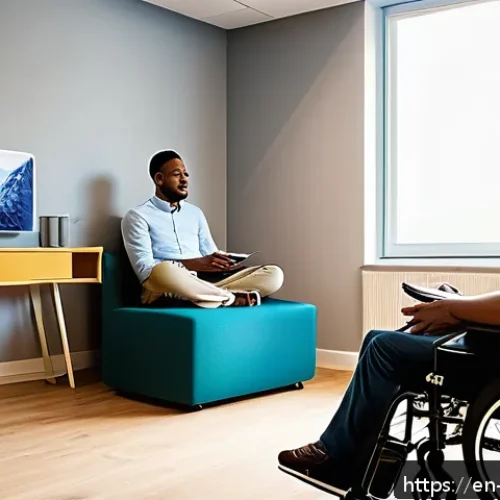
장애인재활상담사와 장애인 기술 훈련 - A warm and inviting scene depicting a diverse rehabilitation specialist, professionally dressed in a...

Hey there, amazing readers! Have you ever thought about the sheer strength of the human spirit, especially when faced with life’s unexpected turns? It’s truly inspiring to witness someone regain their independence and carve out a meaningful life after a disability.

That’s where the incredible work of Disability Rehabilitation Counselors comes in, acting as vital guides on this journey. I’ve personally seen the transformative power they wield, helping individuals not just cope, but truly thrive.

But it’s not just about counseling; the real game-changer often lies in specialized disability skills training. We’re talking about equipping people with tangible abilities, from cutting-edge tech skills to adapting everyday tasks, all designed to open doors to employment and greater autonomy.

In today’s rapidly changing world, with new technologies emerging constantly, the opportunities for inclusive development are more exciting than ever.

I’ve found that focusing on these practical skills can dramatically boost confidence and create pathways that once seemed impossible. Let’s explore this thoroughly in the post below!

Reclaiming Your Narrative: Guiding the Journey Ahead

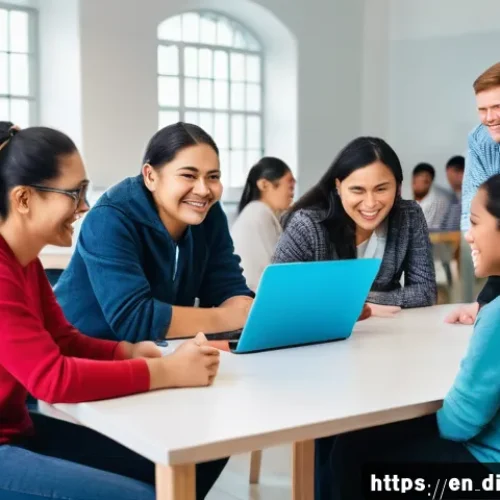
장애인재활상담사와 장애인 기술 훈련 - A warm and inviting scene depicting a diverse rehabilitation specialist, professionally dressed in a...

The Compassionate Hand of Support

It’s truly incredible to witness the sheer resilience of the human spirit, especially when faced with life’s unexpected twists and turns. When someone experiences a disability, whether it’s sudden or gradual, the path forward can seem daunting, even overwhelming.

I’ve personally seen how vital the role of a dedicated guide can be during these times. These aren’t just professionals; they become true partners in the journey, helping individuals navigate the complex maze of medical recovery, emotional adjustments, and practical challenges.

They listen, they empathize, and most importantly, they see beyond the disability to the person’s inherent strengths and desires. This isn’t just about coping; it’s about empowering people to redefine their possibilities and envision a future that feels vibrant and achievable.

It’s a holistic approach, recognizing that true rehabilitation extends far beyond physical healing, touching every aspect of a person’s life, from mental well-being to social engagement.

Crafting a Personalized Blueprint for Success

One of the most profound aspects of this work is the ability to create truly personalized plans. There’s no one-size-fits-all solution when it comes to rehabilitation; every individual’s journey is unique, shaped by their experiences, aspirations, and specific needs.

I’ve always been amazed at the meticulous detail that goes into understanding a person’s strengths, identifying potential barriers, and then collaboratively setting realistic, yet ambitious, goals.

This isn’t just about checkboxes; it’s about deep conversations, understanding what truly matters to someone, and then mapping out a tangible path to get there.

From coordinating with medical teams to connecting individuals with specialized therapies and community resources, these navigators act as central figures, ensuring all aspects of support align perfectly.

They help break down seemingly insurmountable goals into manageable steps, celebrating every small victory along the way, which I’ve found to be incredibly motivating for everyone involved.

Empowering Through Expertise: The Role of a Rehabilitation Specialist

More Than Just Counseling: A Beacon of Hope

When I first encountered the depth of work that rehabilitation specialists undertake, I was truly struck by how much more it is than just “counseling.” It’s an intricate dance of advocacy, resource coordination, and strategic planning.

Imagine someone who not only understands the emotional toll of a life-altering event but also knows the ins and outs of every available service, every piece of legislation, and every potential pathway to independence.

They are literally a walking encyclopedia of opportunities, ready to unlock doors that might otherwise remain shut. I’ve seen them tirelessly advocate for accommodations in workplaces, negotiate with insurance providers, and connect individuals with cutting-edge assistive technologies.

Their dedication extends beyond the typical 9-to-5, often involving deep personal investment in the success and well-being of those they serve. They are truly unsung heroes in many communities, quietly but powerfully transforming lives.

Navigating the Labyrinth of Resources and Opportunities

The sheer volume of resources available for individuals with disabilities can be overwhelming. From government benefits and vocational training programs to mental health services and adaptive sports, it’s a complex landscape to navigate alone.

This is precisely where a rehabilitation specialist becomes an indispensable guide. They possess an intimate knowledge of these diverse offerings and, crucially, understand how to match them to an individual’s unique situation.

I’ve personally observed them expertly weave together a tapestry of support, ensuring that everything from accessible transportation to specialized educational programs is considered.

Their ability to cut through red tape and connect people with the right opportunities at the right time is nothing short of extraordinary. They’re not just pointing people in a direction; they’re actively building bridges and clearing paths, making the journey to independence significantly smoother and more effective.

Advertisement

Unlocking Potential: The Transformative Power of Specialized Skills

Beyond the Expected: Tailored Training for a Modern World

The real magic often begins when we move beyond general support and delve into specialized skills training. This isn’t just about learning a new hobby; it’s about equipping individuals with tangible, marketable abilities that directly open doors to employment and greater autonomy.

I’ve seen firsthand how a person’s confidence absolutely skyrockets when they realize they can master a new skill, especially one that leads to a fulfilling career.

Think about it: traditional job markets can present significant barriers, but with targeted training, those barriers often dissolve. We’re talking about everything from advanced computer programming to specialized manufacturing techniques, or even adapting existing skills to new, accessible formats.

The beauty lies in the personalization; trainers work closely with individuals to identify their interests, aptitudes, and the demands of the current job market, creating a curriculum that feels both challenging and deeply rewarding.

Hands-On Mastery: Bridging the Gap to Employment

Theoretical knowledge is great, but nothing beats hands-on experience, especially when it comes to developing new skills for employment. I’ve noticed that the most effective training programs are those that prioritize practical application, allowing individuals to truly immerse themselves in the learning process.

This isn’t just about drills; it’s about real-world simulations, project-based learning, and often, direct placements or internships. Imagine learning coding by building actual websites, or mastering graphic design by creating real marketing materials.

This approach not only solidifies understanding but also builds a portfolio of demonstrable skills, which is invaluable when seeking employment. Moreover, these programs often incorporate soft skills training—things like teamwork, communication, and problem-solving—which are crucial for success in any workplace.

It’s a comprehensive approach that ensures individuals are not just skilled, but also truly job-ready and confident in their abilities.

The Digital Frontier: Tech Skills for an Inclusive Economy

Navigating the Tech Landscape: New Avenues for Career Growth

In today’s rapidly evolving world, technology isn’t just a tool; it’s a gateway to unprecedented opportunities, especially for individuals with disabilities.

I’ve seen how embracing digital skills can be an absolute game-changer, leveling the playing field and opening up career paths that were once unimaginable.

We’re talking about everything from web development and cybersecurity to data analysis and digital marketing. These are high-demand fields that often offer flexible work arrangements, making them incredibly accessible.

For example, I recall working with someone who, after acquiring strong coding skills, secured a remote position that allowed them to work comfortably from home, completely transforming their financial independence and self-esteem.

It’s a testament to how the digital economy can truly foster an inclusive workforce, allowing talent to shine regardless of physical limitations. The continuous innovation in assistive technologies further enhances this, making complex digital tasks approachable for everyone.

Assistive Technology: The Ultimate Enabler

장애인재활상담사와 장애인 기술 훈련 - A dynamic image showcasing an individual in their late 20s, wearing comfortable yet contemporary cas...

It’s easy to overlook how much modern assistive technology has transformed the landscape of disability rehabilitation. These aren’t just gadgets; they are powerful enablers that unlock communication, mobility, and access to information in ways that felt like science fiction just a few decades ago.

I’ve had the pleasure of seeing individuals, who once struggled with basic tasks, flourish with the help of screen readers, voice recognition software, advanced prosthetics, and even adaptive gaming controllers.

These technologies do more than just facilitate; they empower. They allow someone to pursue a passion, secure a job, or simply connect with loved ones in a way that truly reflects their inner capabilities.

Learning to effectively use and integrate these tools is a crucial component of modern skills training, ensuring that individuals can fully leverage every available advantage to lead an independent and fulfilling life.

It’s an exciting frontier, and the pace of innovation means there are always new solutions emerging to explore.

Advertisement

Building Bridges: Community Integration and Support Networks

Forging Connections: The Power of Peer Support

Beyond the structured programs and skill-building, there’s an invaluable element often found in the journey toward independence: community. I’ve consistently observed that connecting with others who share similar experiences can be profoundly therapeutic and empowering.

Peer support groups, whether online or in-person, offer a unique space for sharing challenges, celebrating triumphs, and exchanging practical advice that only someone who has “been there” can truly offer.

It creates a sense of belonging and diminishes feelings of isolation, which can be particularly prevalent after experiencing a disability. I’ve seen friendships blossom, confidence grow, and individuals discover new ways to navigate daily life simply by hearing how others have overcome similar hurdles.

These networks often become informal sounding boards, sources of motivation, and even pathways to employment through word-of-mouth connections. It’s truly a testament to the strength found in solidarity and shared understanding.

Leveraging Local Resources for a Holistic Life

True integration into community life extends beyond personal connections; it involves tapping into the wealth of local resources designed to support individuals with disabilities.

From accessible transportation services and adaptive recreation programs to specialized legal aid and educational opportunities, many communities offer a wide array of support.

I’ve always found it incredibly rewarding to help individuals discover and utilize these often-underutilized resources. For example, some cities offer subsidized accessible taxi services, making independent travel a reality, while others have inclusive sports leagues that foster physical well-being and social interaction.

A comprehensive rehabilitation plan often includes connecting individuals with these local treasures, ensuring they have every opportunity to participate fully and meaningfully in their community.

It’s about building a life that feels rich, connected, and full of possibilities, not just within the home, but out in the wider world too.

Skills Training Area Key Benefits Example Outcomes
Digital Literacy & Coding Opens doors to remote work, enhances problem-solving, high-demand careers. Web Developer, Data Entry Specialist, Cybersecurity Analyst.
Vocational & Technical Trades Develops practical, hands-on abilities, strong job market for skilled trades. Graphic Designer, Bookkeeper, Medical Coder.
Adaptive Daily Living Skills Increases personal independence, confidence in self-care and home management. Independent living, managing personal finances, cooking.
Communication & Social Skills Improves interpersonal interactions, enhances workplace collaboration. Effective job interviewing, building professional networks.
Entrepreneurship & Business Empowers self-employment, fosters innovation and financial control. Small business owner, freelance consultant, online retailer.

Financial Independence: Securing Your Future

Navigating Benefits and Work Incentives

One of the most significant concerns for anyone transitioning after a disability is often financial stability. It’s a complex landscape, filled with various government benefits, insurance policies, and work incentive programs that can be difficult to understand.

I’ve spent countless hours helping individuals demystify these systems, explaining how working can actually enhance, rather than jeopardize, their financial security.

Many people fear losing their benefits if they start earning money, but there are often smart strategies and programs designed to support a gradual return to work.

Understanding concepts like Impairment-Related Work Expenses (IRWEs) or Ticket to Work programs can make a world of difference. My goal is always to empower individuals with the knowledge to make informed decisions, ensuring they can pursue employment goals without undue stress about their safety net.

It’s about building a bridge from reliance to robust independence, one financial step at a time.

Mastering Personal Finance and Budgeting

Achieving true financial independence isn’t just about earning an income; it’s also about effectively managing that income. For many, disability can bring unexpected financial challenges, making sound budgeting and financial literacy more crucial than ever.

I’ve found that providing practical guidance on topics like creating a budget, managing debt, saving for future goals, and understanding investments can be incredibly liberating.

It’s about equipping individuals with the tools to take control of their money, ensuring that their hard-earned income serves their long-term aspirations.

We often work through real-life scenarios, looking at how to prioritize expenses, build an emergency fund, and even start saving for larger purchases or retirement.

This holistic approach to financial well-being is a cornerstone of comprehensive rehabilitation, giving individuals the confidence and control to shape their own economic future.

Advertisement

글을 마치며

Well, folks, what a journey we’ve explored together! It’s truly inspiring to see how much potential lies within each of us, regardless of the challenges life throws our way. Remember, embracing rehabilitation isn’t just about recovery; it’s about rediscovering strengths, forging new paths, and living a life that’s richer and more fulfilling than you might have ever imagined. Keep pushing forward, keep learning, and never underestimate the power of your own resilience. Your future is yours to shape, and with the right tools and mindset, anything is possible.

알아두면 쓸모 있는 정보

1. Seek out a local rehabilitation specialist early: Don’t wait to connect with a professional. They are your best resource for navigating the complex world of benefits, therapies, and community support. I’ve seen firsthand how early intervention can make a monumental difference in long-term outcomes and overall quality of life. They can unlock doors you didn’t even know existed, helping to build a comprehensive plan that’s tailored just for you. Think of them as your personal guide through what can often feel like a maze, ensuring you don’t miss out on vital resources or opportunities.

2. Embrace technology as an enabler: The digital age has brought forth incredible assistive technologies that can revolutionize daily living and career prospects. From advanced voice recognition software to adaptive hardware, exploring these tools can significantly enhance independence and open up new avenues for communication, learning, and employment. I’d highly recommend attending tech expos or workshops designed for individuals with disabilities to see what’s out there and how it could benefit your specific needs, truly leveraging these innovations to your advantage.

3. Prioritize building a strong support network: You don’t have to go through this alone! Connecting with peer support groups, both online and in your local community, can provide invaluable emotional backing, practical advice, and a sense of belonging. Sharing experiences and learning from others who’ve walked a similar path is incredibly empowering and can lead to lasting friendships and unexpected opportunities. These connections become a vital safety net and a source of continuous motivation.

4. Invest in continuous skills development: The world is constantly changing, and acquiring new, in-demand skills, especially in digital fields, can significantly boost your employability and confidence. Many organizations offer specialized training programs for individuals with disabilities, often with funding assistance. Never stop learning; it keeps your mind sharp and your options wide open, making you incredibly adaptable and resilient in any economic landscape.

5. Understand your financial rights and benefits: Financial independence is a cornerstone of overall well-being. Take the time to understand your eligibility for government benefits, work incentives, and local financial assistance programs. Many people mistakenly believe working will jeopardize their benefits, but often there are smart strategies to transition gradually. Consulting with a benefits counselor can help you make informed decisions and plan for a secure financial future, easing a lot of potential worries and setting you up for success.

Advertisement

중요 사항 정리

Ultimately, the journey of rehabilitation is about reclaiming your narrative and building a future on your terms. It hinges on personalized support, embracing new skills, leveraging assistive technology, and fostering strong community connections. With informed financial planning and unwavering self-belief, true independence and a fulfilling life are not just aspirations, but achievable realities for everyone, transforming challenges into stepping stones for an empowered future.

Frequently Asked Questions (FAQ) 📖

Q: What exactly does a Disability Rehabilitation Counselor do, and why are they so crucial for someone on this journey?

A: Oh, that’s a fantastic question, and it really gets to the heart of what makes this whole process work! From what I’ve seen and the stories I’ve heard, a Disability Rehabilitation Counselor is truly a guide, a mentor, and a steadfast advocate all rolled into one.
Think of them not just as someone who gives advice, but as a strategist who helps you map out your unique path forward. They don’t just hand you a pamphlet and wish you luck; they sit down with you, understand your specific strengths, challenges, and dreams.
I’ve personally witnessed how they can transform what feels like an insurmountable mountain into a series of achievable steps. They’re incredible at assessing your current abilities, setting realistic yet ambitious goals, and then connecting you with all the right resources – be it vocational training, assistive technology, or even just helping you navigate the sometimes-confusing world of benefits and community support.
The emotional support they provide is just as vital; they celebrate your small victories and help you through the tough days, which, let’s be honest, we all have!
They’re like having a personal coach who knows the terrain intimately and genuinely believes in your potential, even when you might doubt it yourself.
It’s that personal, human connection that makes all the difference, empowering individuals to reclaim their independence and truly thrive.

Q: When we talk about “specialized disability skills training,” what kind of practical skills are we actually learning, and how diverse can these programs be?

A: This is where things get really exciting, because “specialized disability skills training” isn’t a one-size-fits-all box; it’s a vibrant spectrum of opportunities designed to meet individual needs and leverage diverse talents!
I’ve been absolutely blown away by the range and innovation in these programs. On one hand, you have incredibly robust vocational training that might focus on traditional trades, adapting techniques for specific physical challenges.
But then, you step into the world of cutting-edge tech skills, and that’s where I’ve seen so much transformation! We’re talking about programs that teach everything from coding and web development to digital marketing, graphic design, and even advanced data entry or virtual assistance roles.
For those with visual impairments, screen reader proficiency and specialized software training can open up entire new career fields. For others, it might be about mastering adaptive equipment, learning new communication strategies, or even developing essential life skills for independent living, like money management or meal preparation.
I’ve often thought, imagine the confidence boost when someone who felt limited suddenly discovers they can build a beautiful website or manage a social media campaign!
These programs are constantly evolving, integrating the latest technologies and market demands, ensuring that the skills learned are not just relevant but truly empowering.
It’s about equipping individuals not just with a job, but with a future.

Q: How does this specialized training directly translate into real-world employment opportunities and long-term career success?

A: Ah, the million-dollar question – how does all this fantastic training actually lead to a paycheck and a fulfilling career? And trust me, it’s not just wishful thinking; there’s a very practical bridge built between the training and the job market.
From my own observations and hearing countless success stories, it’s a multi-pronged approach. Firstly, the skills themselves are highly marketable. If you’re learning coding or digital marketing, you’re gaining abilities that are in high demand across countless industries.
But it goes beyond just the technical know-how. Many of these programs incorporate crucial soft skills training – think communication, teamwork, problem-solving, and professional etiquette – which are absolutely vital for any workplace.
I’ve seen training centers that even offer mock interviews and resume-building workshops, giving individuals that crucial edge. What’s more, a lot of these organizations have established networks with inclusive employers who are actively looking to hire talented individuals with disabilities.
They might even offer direct job placement assistance or internship opportunities, essentially opening doors that might otherwise remain closed. It’s about building a comprehensive package: strong skills, polished presentation, and connections to the right opportunities.
I’ve personally felt the immense satisfaction of watching someone, after completing their training, confidently step into a role that once seemed unattainable.
It’s not just about getting a job; it’s about finding a career path that truly ignites their passion and provides genuine independence.