
Navigating the world of disability rehabilitation counseling and care systems is essential in creating inclusive communities where everyone can thrive.
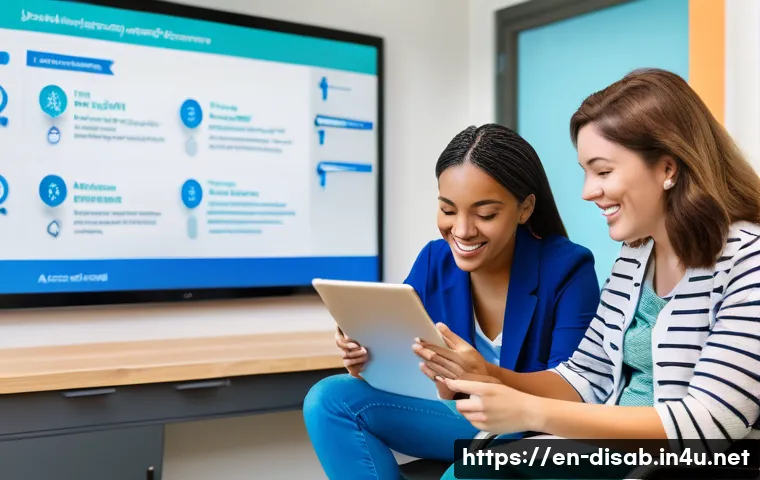
These services not only offer vital support but also empower individuals with disabilities to lead more independent and fulfilling lives. Understanding how these systems work helps us appreciate the challenges faced and the solutions available.
Whether you’re a caregiver, professional, or someone interested in accessibility, gaining insight into these frameworks is invaluable. Let’s dive deeper and explore the intricacies and benefits of these support networks in detail!
Understanding the Core Roles in Disability Support Services
The Multifaceted Role of Rehabilitation Counselors
Rehabilitation counselors are often the unsung heroes in the disability support ecosystem. They wear many hats—advocate, counselor, planner, and sometimes even a bridge connecting individuals with community resources.
What struck me personally is how they don’t just focus on the disability but on the whole person, considering emotional, psychological, and social factors.
Their work involves assessing abilities, identifying goals, and tailoring personalized plans that pave the way for greater independence. I’ve seen firsthand how their guidance can transform uncertainty into hope, especially when they help navigate complex bureaucracies or connect clients with vocational training and job placement services.
Care Coordination: The Backbone of Holistic Support
Care coordinators play a critical role by ensuring that various services don’t operate in silos. Their job is to weave together medical care, therapy, social support, and sometimes even educational services into a seamless plan that suits the individual’s unique needs.
From my experience volunteering in community centers, I observed that when care coordination is handled well, clients feel less overwhelmed and more empowered to take charge of their lives.
It’s a delicate balancing act—juggling appointments, insurance paperwork, and family communication—but the payoff is a more cohesive and effective support system.
Empowering Through Advocacy and Education
Advocacy is a powerful tool that rehabilitation counselors and support workers use to champion the rights of people with disabilities. They educate clients about their rights, help them understand policy changes, and assist in securing accommodations in workplaces or schools.
What resonated with me was how this empowerment often spills over into clients’ personal lives, boosting confidence and encouraging self-advocacy. Education also extends to families and communities, breaking down stigma and promoting inclusion.
The ripple effect of this knowledge-sharing can be profound, fostering environments where people with disabilities feel valued and understood.
Innovative Approaches to Personalized Care Planning
Leveraging Technology for Tailored Solutions
The integration of technology into care planning has revolutionized how support is delivered. Tools like digital scheduling apps, telehealth platforms, and even AI-driven assessments are making personalized care more accessible and adaptable.
In my conversations with several rehabilitation professionals, they highlighted how tech allows for real-time monitoring and quicker adjustments to care plans, which is especially crucial for individuals with fluctuating needs.
This tech-forward approach not only improves efficiency but also enhances client engagement, as people feel more connected and in control of their care.
Collaborative Goal Setting with Clients and Families
One of the most effective strategies I’ve witnessed is involving clients and their families directly in the goal-setting process. This collaboration ensures that care plans are not only realistic but also meaningful to the individual’s lifestyle and aspirations.
Rehabilitation counselors often facilitate these discussions, encouraging open dialogue about hopes, challenges, and priorities. It’s a dynamic process—goals evolve over time as circumstances change, and having a shared vision keeps everyone motivated and aligned.
Addressing Cultural and Individual Diversity
Tailoring care isn’t just about medical or physical needs; it also involves respecting cultural backgrounds, languages, and personal preferences. This aspect is sometimes overlooked but is vital for building trust and rapport.
I recall working alongside a team that emphasized cultural competence training, which led to more respectful and effective communication with clients from diverse communities.
Recognizing and valuing these differences enriches the support system and ensures that services are truly person-centered.
Key Components of Accessibility and Inclusion in Community Settings
Physical Accessibility: Beyond Ramps and Elevators
When people think of accessibility, ramps and elevators often come to mind first—but it’s so much broader than that. It includes clear signage, sensory-friendly spaces, accessible transportation, and even staff training on disability etiquette.
In community programs I’ve visited, the environments that embraced these wider definitions of accessibility felt more welcoming and empowering. This comprehensive approach reduces barriers and invites full participation in social, recreational, and educational activities.
Social Inclusion Through Peer Support Networks
Peer support networks are incredibly powerful in fostering a sense of belonging and mutual understanding. These groups provide a safe space for sharing experiences, advice, and encouragement.
From what I’ve seen, being part of a peer community can significantly reduce feelings of isolation and increase motivation. It’s not just about support but also about building friendships and developing leadership skills within the disability community.
Community Education and Awareness Campaigns
Changing societal attitudes is a slow but essential process. Community education initiatives—workshops, awareness days, and media campaigns—play a huge role in breaking down stereotypes and promoting empathy.
I’ve attended several events where personal stories were shared, and the impact was palpable; people left with a deeper understanding and commitment to inclusion.
These efforts complement formal support systems by creating a broader culture of acceptance.
Funding Mechanisms and Resource Allocation in Disability Services
Understanding Public and Private Funding Sources
Navigating the financial side of disability services can be daunting for clients and professionals alike. Funding often comes from a mix of government programs, insurance, grants, and private donations.
What I’ve learned is that staying informed about eligibility criteria and application processes is crucial for maximizing available resources. Rehabilitation counselors frequently serve as guides in this maze, helping clients access everything from Medicaid waivers to vocational rehabilitation funds.
Impact of Funding on Service Quality and Availability
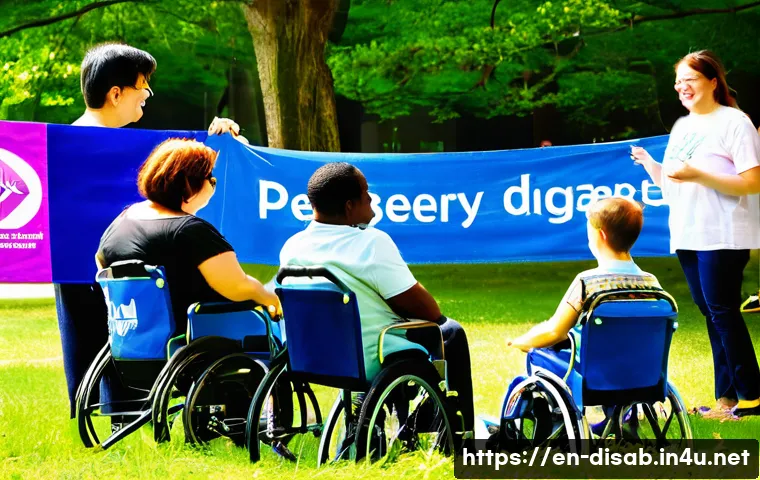
The level and consistency of funding directly affect the quality and range of services offered. I’ve noticed that communities with stable funding can provide more innovative and comprehensive programs, while underfunded areas struggle to meet basic needs.
This disparity highlights the importance of advocacy not only at the individual level but also in influencing policy and budget priorities to ensure equitable access.
Strategies for Sustainable Resource Management
Sustainability is a growing concern, especially as demand for services rises. Agencies are increasingly adopting strategies like partnerships with local businesses, volunteer programs, and outcome-based funding models.
From my experience collaborating with nonprofits, these approaches help stretch limited resources while maintaining service quality. Transparency and accountability also build trust among stakeholders, which is vital for long-term success.
Training and Professional Development in Disability Support Fields
Essential Skills and Competencies for Practitioners
The field demands a diverse skill set—from communication and empathy to knowledge of legal frameworks and assistive technologies. Professionals must continuously update their expertise to keep pace with evolving best practices.
I’ve observed that ongoing training not only improves service delivery but also boosts job satisfaction, as practitioners feel more confident and capable.
Mentorship and Peer Learning Opportunities
Mentorship programs and peer learning circles are invaluable for professional growth. They provide a forum for sharing challenges, brainstorming solutions, and celebrating successes.
When I participated in a mentorship initiative, the exchange of real-world experiences deepened my understanding and reinforced the collaborative nature of disability support work.
Certification and Accreditation Standards
Certification ensures that practitioners meet established standards of competence and ethics. It’s reassuring for clients and employers alike. I’ve found that pursuing certification motivates professionals to maintain high standards and engage in lifelong learning.
Moreover, accredited programs often open doors to advanced career opportunities and specialized roles.
Measuring Success and Outcomes in Disability Support Programs
Defining Meaningful Metrics Beyond Numbers
Success in disability support isn’t just about statistics; it’s about real-life impact. Metrics like increased independence, improved quality of life, and client satisfaction provide a fuller picture.
I’ve seen agencies adopt mixed-method evaluations combining quantitative data with personal stories, which makes the results more relatable and actionable.
Client Feedback as a Catalyst for Improvement
Listening to clients is fundamental. Feedback mechanisms—surveys, focus groups, and informal check-ins—help identify what’s working and where gaps exist.
From my experience, programs that prioritize client voices tend to be more responsive and innovative, leading to higher engagement and better outcomes.
Long-Term Tracking and Community Impact
Tracking outcomes over time helps reveal trends and long-term benefits that short-term evaluations might miss. This approach requires robust data management but pays off by informing strategic planning and funding decisions.
I’ve noticed that communities with strong data-driven cultures can advocate more effectively for resources and policy changes.
| Aspect | Key Features | Benefits | Challenges |
|---|---|---|---|
| Rehabilitation Counseling | Personalized plans, vocational guidance, emotional support | Empowers independence, holistic care | Complex needs, navigating systems |
| Care Coordination | Service integration, appointment management, family communication | Seamless care, reduced client stress | Resource limitations, communication gaps |
| Accessibility Measures | Physical access, sensory accommodations, staff training | Inclusive environments, increased participation | Funding constraints, awareness levels |
| Funding Sources | Government programs, insurance, grants | Resource availability, program sustainability | Eligibility complexity, funding instability |
| Professional Development | Training, mentorship, certification | Improved service quality, career growth | Access to training, time constraints |
| Outcome Measurement | Client feedback, long-term tracking, mixed methods | Informed improvements, advocacy support | Data management, subjective measures |
글을 마치며
Disability support services are a complex, yet profoundly rewarding field that hinges on collaboration, empathy, and innovation. Understanding the core roles and evolving approaches helps create a more inclusive and effective system. By focusing on personalized care, accessibility, and continuous improvement, we can empower individuals to live fuller, more independent lives. The journey toward better support requires ongoing commitment from professionals, communities, and policymakers alike.
알아두면 쓸모 있는 정보
1. Rehabilitation counselors are key to holistic care, blending emotional support with practical resources to empower clients.
2. Effective care coordination reduces stress by integrating medical, social, and educational services into one seamless plan.
3. Technology is transforming disability support, enabling real-time adjustments and greater client engagement.
4. Accessibility extends beyond physical modifications to include sensory-friendly environments and disability awareness training.
5. Sustainable funding and professional development are critical to maintaining high-quality, innovative support services.
중요 사항 정리
Successful disability support depends on a person-centered approach that respects diversity and promotes inclusion at every level. Coordination among services, backed by reliable funding and continuous professional growth, ensures consistent quality and accessibility. Measuring outcomes through client feedback and long-term tracking enables meaningful improvements. Ultimately, fostering advocacy and community education strengthens the entire support network, making independence and dignity achievable goals for all.
Frequently Asked Questions (FAQ) 📖
Q: What exactly does disability rehabilitation counseling involve, and who can benefit from it?
A: Disability rehabilitation counseling is a specialized service designed to help individuals with physical, mental, or emotional disabilities overcome barriers to employment, education, and independent living.
Counselors work closely with clients to assess their strengths, develop personalized goals, and connect them with resources like vocational training, assistive technologies, or community support services.
Anyone facing challenges related to disability—whether newly acquired or lifelong—can benefit from this guidance. From my experience, having a counselor who understands your unique situation can make a huge difference in building confidence and accessing opportunities you might not have known existed.
Q: How do care systems support people with disabilities in their daily lives?
A: Care systems encompass a wide range of services, including personal assistance, healthcare coordination, therapy, and social integration programs. These systems are designed to provide the practical and emotional support necessary for individuals to live as independently as possible.
For example, personal care aides help with everyday tasks like dressing or meal preparation, while occupational therapists work on developing skills for daily living.
From what I’ve seen, the best care systems are those that tailor support to individual needs rather than a one-size-fits-all approach, fostering a sense of dignity and empowerment rather than dependence.
Q: What challenges do people face when accessing disability rehabilitation and care services, and how can they be overcome?
A: Accessing disability services often comes with hurdles such as complex eligibility criteria, long waiting lists, limited funding, and sometimes a lack of awareness about available resources.
Many individuals and families feel overwhelmed navigating these systems alone. One effective strategy I’ve found is connecting with local advocacy groups or peer support networks, which can provide guidance and share firsthand experiences.
Additionally, proactive communication with service providers and persistent follow-up can help overcome bureaucratic delays. Awareness and education for both the public and professionals are key to making these services more accessible and user-friendly.