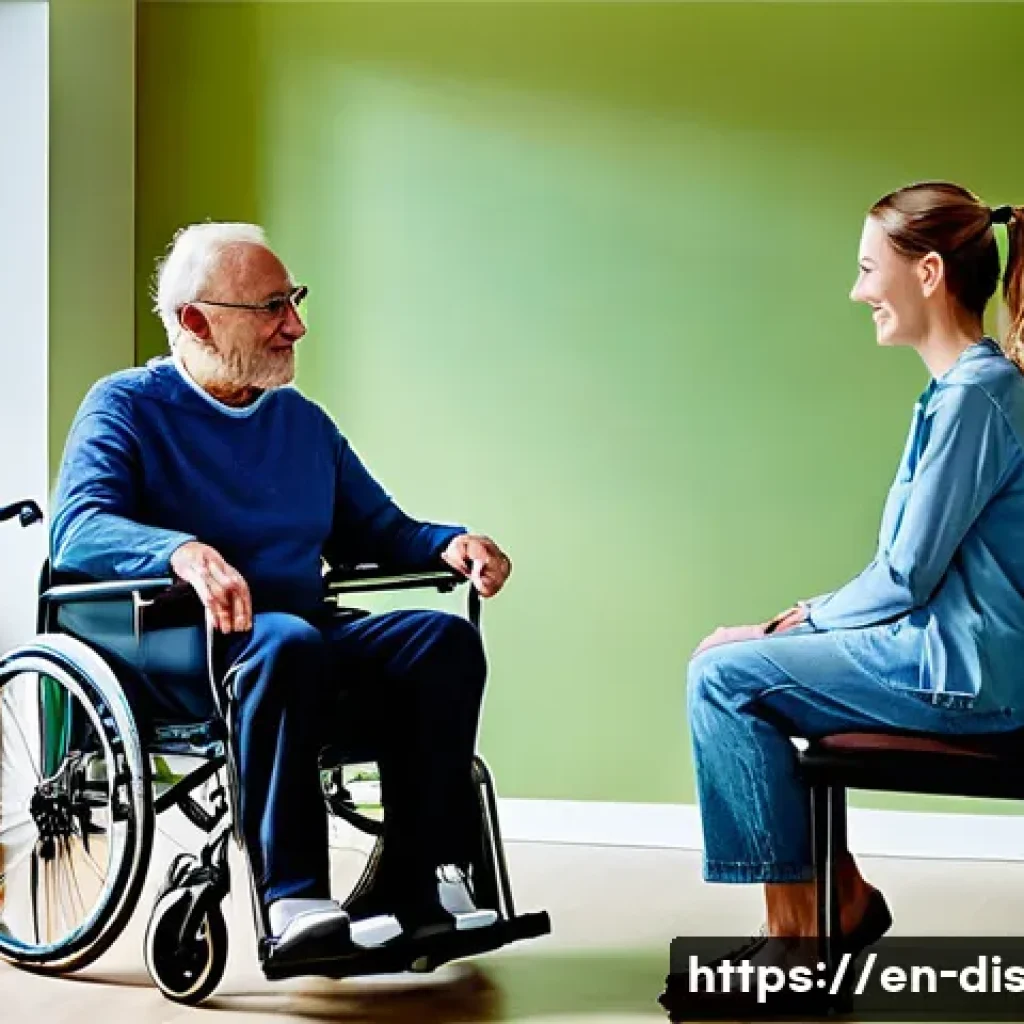
Navigating the path to recovery for individuals with disabilities often involves more than just physical rehabilitation—it requires comprehensive emotional and psychological support.
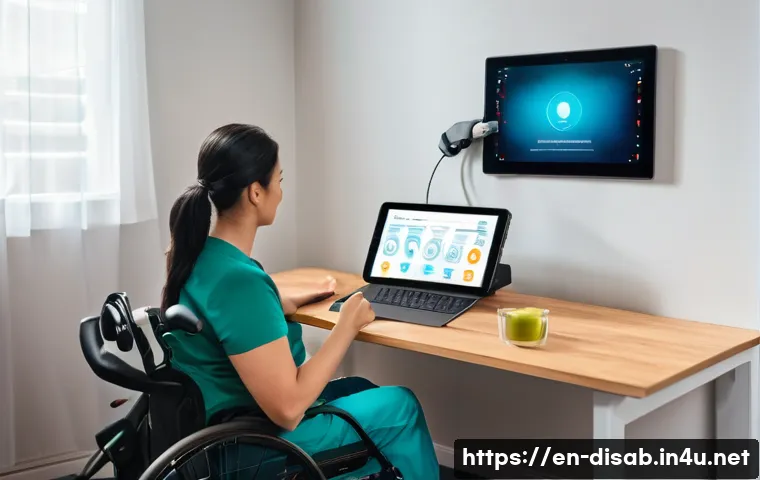
Disability rehabilitation counselors play a crucial role in guiding clients through challenges, fostering resilience, and promoting independence. Meanwhile, psychological therapy offers essential tools to address mental health struggles that can arise during this journey.
Understanding how these two fields intersect can open doors to more holistic healing and improved quality of life. Let’s dive deeper and explore the vital connection between disability rehabilitation counseling and psychological therapy!
Building Trust and Rapport in Recovery
Understanding Individual Needs and Backgrounds
When working with clients facing disabilities, one of the first steps is to truly understand their unique circumstances—this means more than just knowing the physical limitations.
It’s about grasping their personal history, cultural background, and emotional state. From my experience, investing time in these conversations lays a strong foundation for all future progress.
Clients often open up more when they sense genuine interest and empathy, which makes the entire rehabilitation process smoother and more effective. This personalized approach helps tailor strategies that feel relevant and respectful to their lived experiences.
Creating a Safe Space for Vulnerability
Clients in recovery often wrestle with feelings of frustration, loss, and uncertainty. Establishing a judgment-free zone where they can express these emotions freely is crucial.
I’ve noticed that when clients feel safe enough to share their fears and setbacks, it not only reduces their emotional burden but also empowers them to actively participate in their recovery plan.
This safe space nurtures resilience and encourages honest dialogue, which can lead to breakthroughs that might not happen otherwise.
Consistent Communication and Feedback Loops
Recovery is rarely linear, so maintaining open and ongoing communication channels is vital. Regular check-ins help monitor progress, adjust goals, and celebrate milestones.
In my practice, I’ve found that clients appreciate when counselors and therapists provide constructive feedback while also acknowledging their efforts, no matter how small.
This balance keeps motivation high and prevents discouragement during inevitable tough phases.
Integrating Emotional Wellness into Physical Rehabilitation
Recognizing the Emotional Impact of Physical Challenges
Physical disabilities often bring along emotional hurdles such as anxiety, depression, or feelings of isolation. These aren’t just side effects—they can directly influence how well someone responds to physical therapy or rehabilitation exercises.
I’ve seen firsthand how addressing these emotional challenges early on creates a more receptive mindset toward physical recovery, ultimately speeding up progress and enhancing overall well-being.
Collaborative Goal Setting Between Disciplines
When rehabilitation counselors and psychological therapists work in tandem, clients benefit from a holistic plan that addresses both body and mind. Setting goals collaboratively means clients aren’t overwhelmed by conflicting advice or unrealistic expectations.
From what I’ve observed, this team approach fosters a greater sense of control and clarity for clients, helping them stay engaged and hopeful throughout the journey.
Encouraging Adaptive Coping Mechanisms
Helping clients develop healthy ways to manage stress and setbacks is a cornerstone of long-term recovery. Techniques like mindfulness, cognitive reframing, or even simple breathing exercises can transform how someone faces daily challenges.
I’ve personally integrated these tools into sessions with clients, and many report feeling more grounded and capable when navigating the ups and downs of rehabilitation.
Empowering Independence Through Skill Development
Promoting Self-Advocacy and Decision-Making
One of the most rewarding aspects of rehabilitation counseling is witnessing clients gain confidence in advocating for their needs. This empowerment often comes from teaching practical skills, such as communicating with healthcare providers or accessing community resources.
Clients who master these skills tend to feel less dependent and more in charge of their lives, which positively impacts their mental health and motivation.
Building Life Skills Beyond Therapy Sessions
Rehabilitation isn’t confined to clinical settings—it extends into everyday living. Helping clients develop routines, manage time, or adapt their environment can drastically improve their quality of life.
I’ve noticed that when clients practice these skills regularly, they report feeling more competent and less overwhelmed by the demands of daily tasks.
Fostering Social Connections and Community Engagement
Isolation can be a significant barrier to recovery. Encouraging clients to engage with social groups, support networks, or recreational activities helps rebuild a sense of belonging.
From personal experience, clients who reconnect socially tend to have better emotional resilience and show increased enthusiasm for their rehabilitation goals.
Addressing Mental Health Barriers in Recovery
Identifying Signs of Depression and Anxiety Early
Disability recovery can trigger or exacerbate mental health issues. Spotting symptoms like persistent sadness, withdrawal, or excessive worry early allows for timely intervention.
Through my work, I’ve learned that addressing these issues head-on prevents them from derailing physical rehabilitation efforts and supports a more balanced recovery experience.
Integrating Therapeutic Techniques into Rehabilitation Plans
Psychological therapies—such as cognitive-behavioral therapy or acceptance and commitment therapy—offer valuable tools for managing emotional distress.
Incorporating these approaches into rehabilitation plans provides clients with strategies to reframe negative thoughts and build emotional strength. Clients who embrace these techniques often report feeling more in control and optimistic about their progress.
Providing Crisis Support and Referral Networks
Sometimes clients face acute emotional crises that require immediate attention beyond routine therapy. Establishing clear protocols for crisis intervention and maintaining strong referral networks ensures clients get the help they need promptly.
I’ve found that having these safety nets in place not only safeguards client well-being but also builds trust in the rehabilitation process.
Customizing Support Based on Disability Types
Tailoring Approaches for Physical vs. Cognitive Disabilities
Different disabilities require unique rehabilitation and therapeutic strategies. For example, individuals with spinal cord injuries may focus more on physical adaptations and mobility, while those with cognitive impairments might need memory aids and executive function support.
I’ve worked with a diverse range of clients, and customizing approaches based on specific needs leads to more meaningful outcomes and client satisfaction.
Adapting Communication Styles and Tools
Effective communication is critical, especially when clients have speech or hearing impairments. Using alternative communication methods—such as sign language, picture boards, or technology-assisted devices—can bridge gaps and enhance understanding.
Clients often feel more respected and engaged when communication is adapted thoughtfully.
Recognizing the Role of Family and Caregivers
Family members and caregivers play an integral role in the rehabilitation ecosystem. Educating and involving them in counseling and therapy sessions helps create a consistent support system.
From what I’ve seen, when families understand the rehabilitation goals and psychological strategies, they can better assist clients and promote sustained progress.
Measuring Progress and Adjusting Interventions
Using Quantitative and Qualitative Metrics
Tracking progress involves both numbers and narratives. Quantitative measures like mobility scores or therapy attendance give a clear picture of physical improvements.
However, qualitative feedback—client feelings, confidence levels, and social engagement—adds depth to understanding true recovery. I’ve found that combining these metrics offers a fuller perspective and informs better adjustments.
Flexibility in Treatment Plans
Recovery journeys are rarely predictable. Being willing to modify goals, introduce new therapies, or change session frequencies based on client feedback is essential.
Clients appreciate when their input shapes their plan, which boosts their commitment and satisfaction.
Celebrating Milestones and Setting New Challenges
Acknowledging achievements, no matter how small, fuels motivation and self-esteem. I make it a point to celebrate these moments with clients, then collaboratively set new, realistic challenges.
This cycle of accomplishment and growth keeps the momentum alive and reinforces a positive outlook.
| Aspect | Role of Rehabilitation Counseling | Role of Psychological Therapy |
|---|---|---|
| Focus | Physical adaptation, skill development, independence | Emotional regulation, coping strategies, mental health |
| Approach | Goal-setting, practical support, family involvement | Therapeutic interventions, crisis management, cognitive techniques |
| Client Interaction | Building trust, personalized plans, communication | Safe emotional space, vulnerability, feedback loops |
| Outcome Goals | Improved functionality, autonomy, social reintegration | Reduced anxiety/depression, resilience, psychological well-being |
| Collaboration | Works alongside therapists to align physical and emotional care | Coordinates with counselors to address mental barriers to rehab |
Leveraging Technology to Enhance Support
Virtual Counseling and Therapy Sessions
Technology has opened new doors for clients who might face mobility or transportation barriers. Offering virtual sessions through video calls or specialized apps allows continuous support without the stress of travel.
I’ve noticed that many clients feel more comfortable opening up in their own environment, which can lead to more productive sessions.
Using Apps for Tracking and Motivation
Various apps now help clients monitor their physical exercises, mood, or medication schedules. Integrating these tools into rehabilitation plans provides real-time data and encourages accountability.
Clients often tell me they feel more engaged when they can visually track their progress and receive reminders or motivational messages.
Assistive Devices and Communication Technology
From speech-generating devices to adaptive keyboards, technology plays a huge role in bridging gaps. Incorporating these into therapy not only improves practical outcomes but also boosts client confidence.
I’ve found that clients who master these devices tend to feel more independent and socially connected.
Conclusion
Building trust and fostering collaboration are essential components in successful recovery journeys. By addressing both physical and emotional needs, clients experience more holistic and lasting progress. Personalized care, open communication, and the integration of technology empower individuals to regain independence and confidence. Ultimately, recovery is about supporting the whole person, not just their disability.
Useful Information to Keep in Mind
1. Understanding each client’s unique background and emotional state is key to tailoring effective rehabilitation strategies.
2. Creating a safe, judgment-free space encourages honest communication and builds resilience throughout recovery.
3. Combining physical rehabilitation with psychological support enhances motivation and overall well-being.
4. Encouraging self-advocacy and life skills development promotes greater independence and quality of life.
5. Leveraging technology such as virtual sessions and assistive devices can overcome barriers and improve engagement.
Key Takeaways
Successful recovery depends on a holistic approach that integrates physical and emotional care, customized to individual needs. Establishing trust, maintaining consistent communication, and involving family or caregivers strengthen the support network. Flexibility in treatment plans and celebrating progress help sustain motivation. Lastly, embracing technological tools enhances accessibility and client empowerment throughout the rehabilitation process.
Frequently Asked Questions (FAQ) 📖
Q: How do disability rehabilitation counselors and psychological therapists work together to support individuals with disabilities?
A: Disability rehabilitation counselors and psychological therapists often collaborate closely to provide well-rounded support. Counselors focus on practical aspects like career guidance, skill development, and fostering independence, while therapists address emotional and mental health challenges such as anxiety, depression, or trauma.
By combining their expertise, they ensure clients receive both the tools to navigate daily life and the emotional resilience needed to cope with setbacks.
From my experience, this partnership creates a safety net that helps individuals progress more confidently toward their recovery goals.
Q: Can psychological therapy improve the effectiveness of disability rehabilitation counseling?
A: Absolutely. Psychological therapy can significantly enhance the outcomes of rehabilitation counseling by addressing underlying mental health issues that might hinder progress.
For instance, someone struggling with low self-esteem or chronic stress may find it harder to engage in rehabilitation activities. Therapy provides strategies to manage these feelings, which in turn makes counseling efforts more impactful.
Personally, I’ve seen clients break through barriers once their emotional well-being is supported alongside their physical rehabilitation.
Q: What types of psychological therapies are most beneficial for individuals undergoing disability rehabilitation?
A: Cognitive-behavioral therapy (CBT) is widely recognized as effective because it helps clients reframe negative thought patterns and develop coping skills.
Additionally, mindfulness-based therapies can reduce stress and improve focus, which are crucial during rehabilitation. In some cases, supportive counseling or trauma-informed therapy is necessary, especially if the disability resulted from a traumatic event.
From what I’ve observed, tailoring therapy to each person’s unique experience makes a world of difference in sustaining motivation and emotional health throughout recovery.